In-Depth Guides for Smarter Pest Control Decisions
Discover how Genesee County families beat bed bugs and what they learned about tenant rights, treatment options, and getting lasting results.
Share:
Summary:
The most successful bed bug treatments in our area share common elements that separate effective solutions from expensive failures. Professional heat treatment combined with targeted chemical applications consistently delivers results that DIY methods simply cannot match.
Take Sarah from Flint Township, whose family endured three months of failed DIY attempts before finding real relief. After spending over $300 on store-bought sprays and throwing away a perfectly good couch, professional heat treatment eliminated their infestation in a single day. The difference wasn’t just the equipment – it was the systematic approach that addressed every possible hiding spot.
What made the difference was comprehensive treatment rather than spot-treating visible bugs. Successful elimination requires addressing the entire infestation, including the bugs you can’t see hiding in wall voids and electrical outlets.
Every successful treatment story we hear starts the same way – months of failed attempts with over-the-counter solutions. The Martinez family in Grand Blanc spent over $400 on sprays, powders, and mattress covers before realizing they were fighting a losing battle. “We thought we were saving money,” Maria Martinez recalls, “but we just made the problem worse.”
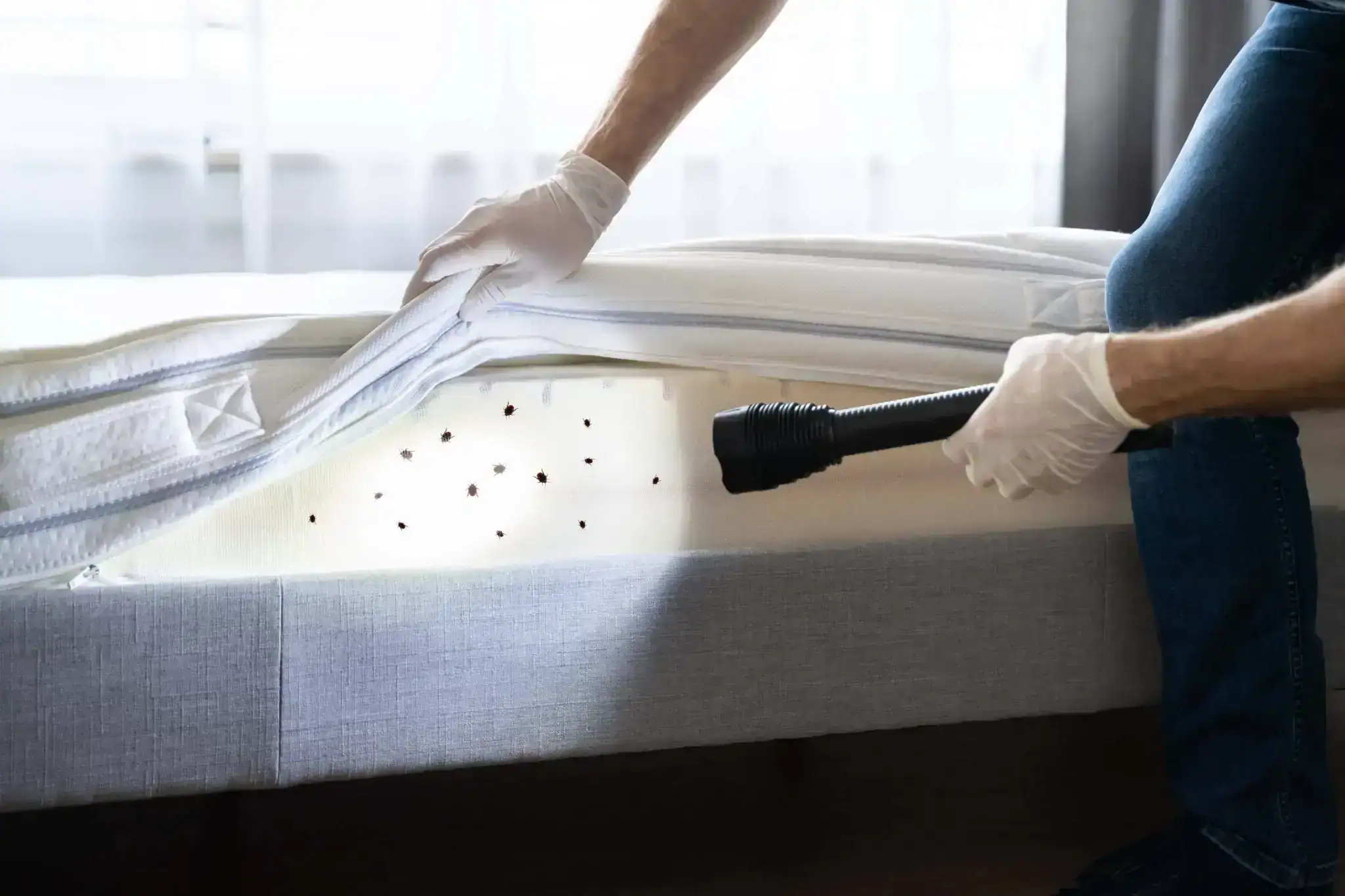
Store-bought treatments fail because bed bugs have developed resistance to many common pesticides available to consumers. More importantly, these products only kill bugs that come into direct contact with them. Bed bugs hiding in electrical outlets, behind baseboards, or in furniture joints remain untouched and continue reproducing at an alarming rate.
The psychological toll of failed DIY attempts often proves more damaging than the financial cost. Families report feeling helpless and desperate after weeks of continued bites despite their efforts. Sleep becomes impossible when you’re constantly checking for bugs throughout the night, and the stress affects entire households.
We understand bed bug biology and behavior patterns that most homeowners never learn. We know bed bugs feed primarily between 3 AM and 6 AM, hide in clusters during daylight hours, and can survive up to a year without feeding. This knowledge gap explains why professional treatment succeeds where DIY methods fail.
The most important lesson from local success stories: don’t waste months on ineffective treatments. The longer an infestation continues, the more established it becomes. What starts as a few bugs in one bedroom can spread throughout an entire home within weeks, making professional treatment more extensive and expensive.
Professional bed bug treatment delivers results that DIY methods cannot achieve because of specialized equipment, targeted products, and systematic approaches that address entire infestations rather than just visible symptoms.
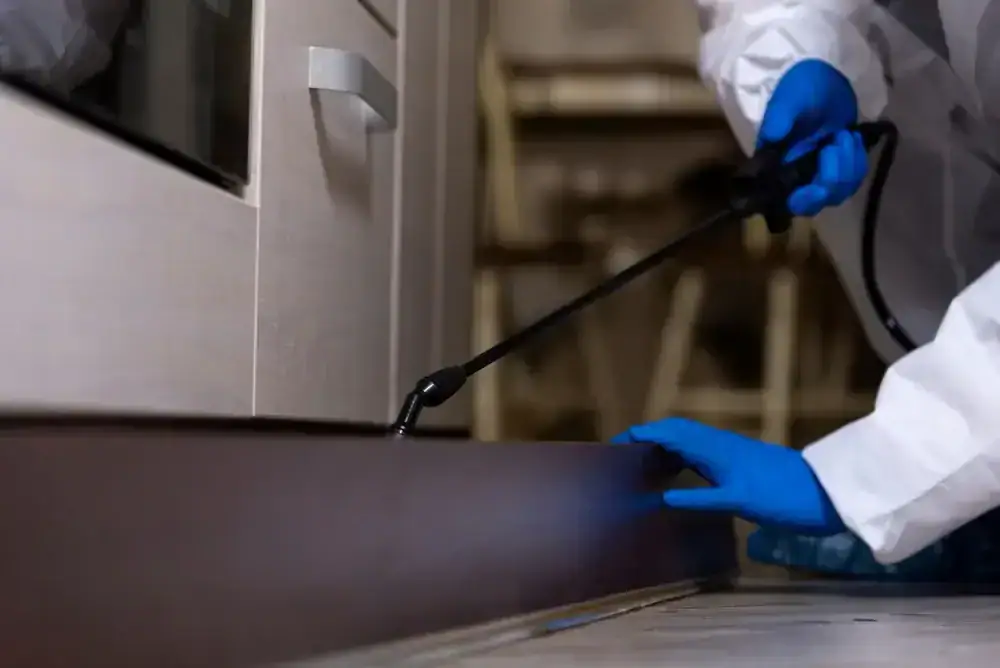
The Williams family in Davison discovered this difference when we used canine detection to find bed bugs they never knew existed. Our trained detection dog located an active infestation in their teenage daughter’s bedroom – a room where no one had reported bites. Without this thorough inspection, those bugs would have reinfested the entire home within weeks of treatment.
Heat treatment proves most effective for local families because it penetrates every crack and crevice where bed bugs hide. Professional-grade heating equipment raises room temperatures to lethal levels that kill bed bugs at all life stages, including eggs that chemical treatments often miss. “We could actually see dead bugs falling out of places we never would have thought to look,” recalls David Williams.
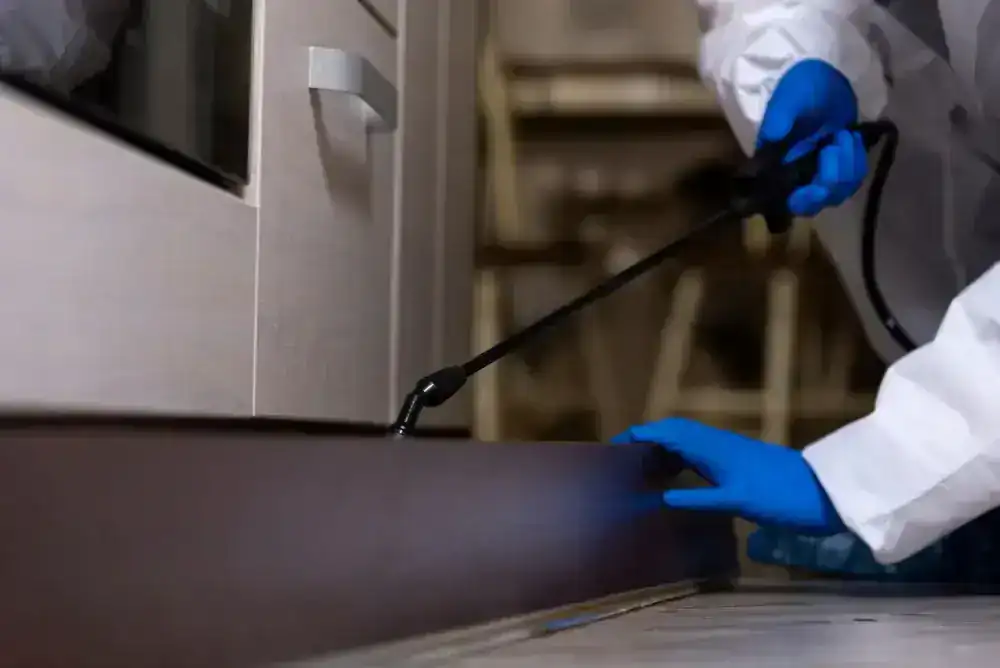
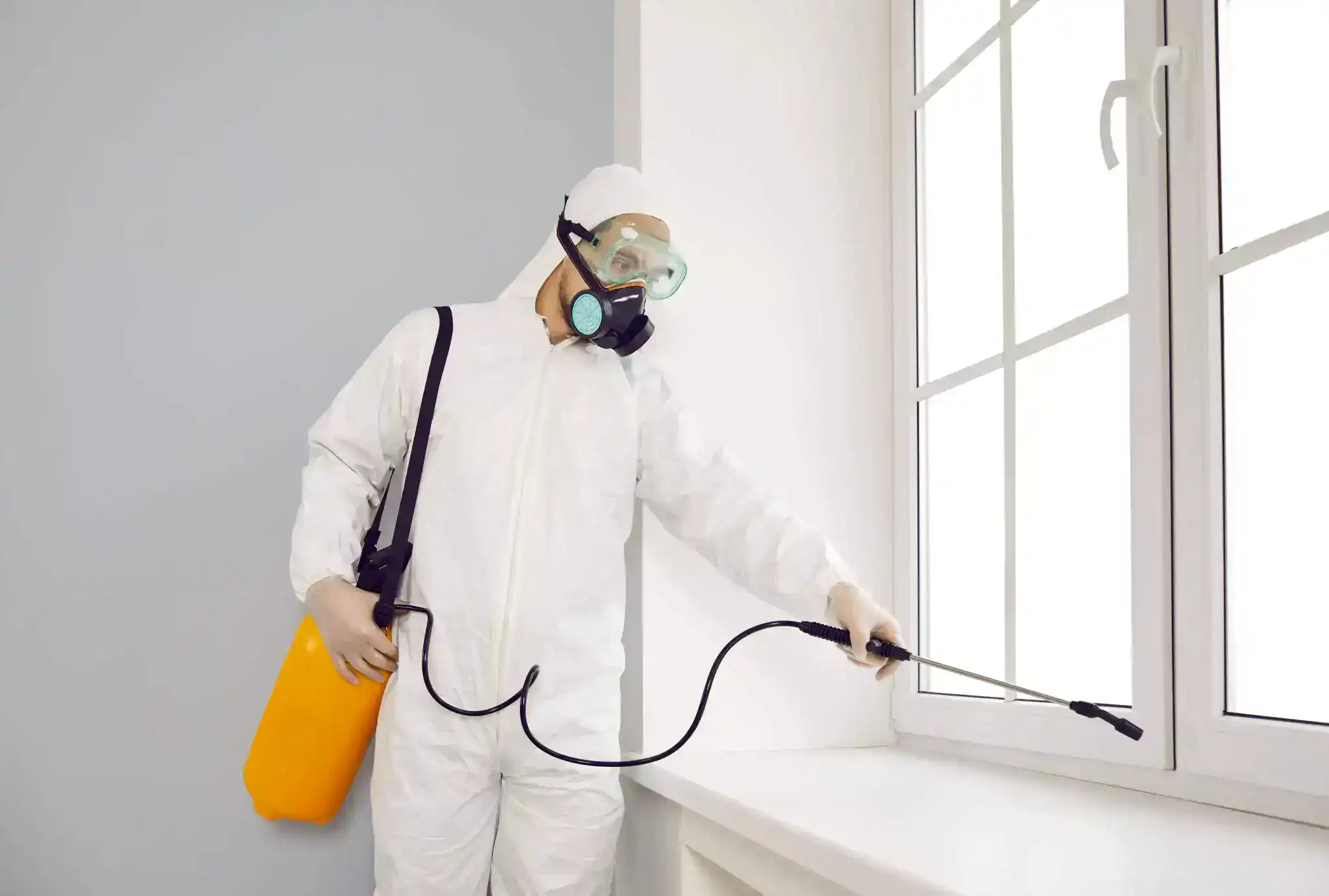
Our systematic approach makes professional treatment successful where DIY fails. We treat every room, not just bedrooms where bites occur. We target wall voids, electrical outlets, furniture joints, and other hiding spots that homeowners typically miss. This comprehensive coverage prevents survivors from rebuilding populations in untreated areas.
Follow-up inspections ensure complete elimination rather than temporary reduction. We monitor treated areas and provide additional treatments if any bugs survive the initial service. This guarantee gives families confidence that the problem is actually solved, not just temporarily suppressed until the next generation hatches.
Most successful treatments in Genesee County combine heat treatment with residual chemical applications. This dual approach kills existing bugs immediately while providing ongoing protection against any survivors or new introductions from neighboring units in apartment buildings.
Want live answers?
Connect with a First Choice Pest Control expert for fast, friendly support.
Michigan law provides specific protections for tenants dealing with bed bug infestations, though many renters don’t understand their rights or how to exercise them effectively. Understanding these protections can save you thousands of dollars and ensure problems get solved quickly.
Landlords must provide housing free from vermin under Michigan’s implied warranty of habitability. When bed bugs are present before you move in or result from building-wide issues, treatment costs fall on the landlord, not the tenant. This applies even if you don’t discover the bugs until weeks after moving in.
The key is proper documentation and communication. Successful tenant cases in Genesee County follow specific steps that protect their rights and ensure landlords take responsibility for treatment costs rather than trying to shift expenses to renters.
Proper documentation protects your rights and ensures landlords handle bed bug problems appropriately. The Chen family in Burton learned this lesson when their initial informal complaints were ignored, but written documentation prompted immediate action and full landlord payment for professional treatment.
Start with written notice to your landlord as soon as you discover bed bugs. Michigan law requires landlords to inspect within seven days of written notification and arrange professional treatment within ten days if bugs are confirmed. Written communication provides the best documentation because it creates timestamps and delivery confirmation that protect you legally.
Photograph everything related to the infestation before disturbing anything. Take pictures of live bugs, bite marks on family members, blood spots on sheets, and dark stains where bugs have been crushed. Date and time-stamp all photos to create a clear timeline of the infestation’s progression. These photos become crucial evidence if disputes arise.
Save specimens when possible. Place any bugs you find in sealed containers or tape them to white paper with clear tape. This physical evidence proves bed bugs are present and prevents landlords from claiming the problem is fleas, mosquitoes, or other pests that might shift responsibility to tenants.
Document all communication with your landlord regarding the infestation. Keep copies of written messages and notices. If you have phone conversations about the bed bug problem, follow up with written summaries of what was discussed and any commitments made.
Get professional confirmation of the infestation when possible. While this may require paying for an inspection, having expert documentation strengthens your case significantly. Some pest control companies offer free initial inspections that provide written reports you can use to support your tenant rights claims.
Understanding when landlords bear responsibility for bed bug treatment costs helps tenants protect their rights and avoid unnecessary expenses. Michigan law creates clear obligations for landlords in specific situations that many renters don’t realize exist.
Pre-existing infestations make landlords responsible for all treatment costs, regardless of when you discover the problem. If bed bugs were present when you moved in, the landlord must eliminate them and cover associated expenses. The Rodriguez family in Fenton successfully argued this point when bugs appeared three months after moving in, but professional inspection revealed an established infestation that clearly predated their tenancy.
Multi-unit building infestations typically fall under landlord responsibility because bed bugs spread between units through shared walls, utility lines, and common areas. Even if bugs appeared first in your apartment, landlords must coordinate building-wide treatment to prevent reinfestations. Individual unit treatment rarely succeeds in apartment buildings.
Structural issues that allow bed bug entry create landlord liability under Michigan housing codes. Gaps around utility penetrations, loose baseboards, damaged drywall, or inadequate sealing that provides hiding spots for bed bugs represent maintenance failures that landlords must address at their expense.
Landlord negligence in addressing reported infestations can shift financial responsibility even when tenants initially brought bugs into the unit. If you report bed bugs promptly but your landlord delays treatment, allowing the infestation to spread to other units, they may become liable for additional costs and damages.
Local housing codes in some Genesee County municipalities specifically address pest control responsibilities. Flint and other cities have ordinances requiring landlords to maintain pest-free housing, which can strengthen tenant positions in bed bug disputes and provide additional legal remedies.
The key factor is prompt notification and proper documentation. Tenants who report bed bugs immediately, follow written communication procedures, and document the infestation properly have much stronger legal positions than those who delay reporting or attempt DIY treatments that allow problems to spread.
These Genesee County success stories prove that bed bug problems can be solved with the right approach and proper understanding of your rights. Professional treatment works when DIY methods fail, and tenants have legal protections that many don’t realize exist until they need them.
The most important lesson from every successful case: don’t wait to take action. Whether you’re dealing with an unresponsive landlord or considering professional treatment, delays only make the problem worse, more expensive to solve, and more stressful for your family.
Document everything, communicate in writing, and don’t let embarrassment prevent you from getting the help you need. If you’re facing a bed bug infestation in Genesee County, we’ve helped local families win these battles for over 20 years, with the experience and specialized services that deliver real results when you need them most.
Article details:
Share:
Continue learning: