In-Depth Guides for Smarter Pest Control Decisions
Professional bed bug treatment preparation can make or break your extermination success in Genesee County.
Share:

Summary:
Your clothing, bedding, and fabric items require immediate attention because they’re prime hiding spots for bed bugs and eggs. Proper clothing and fabric treatment prevents re-introduction of bed bugs from infested items, which is one of the most common reasons treatments fail.
All clothing and bedding must be laundered using the highest heat settings for washing and drying, if possible, for at least 30 minutes. The temperature needs to reach at least 140°F to kill all bed bug stages. Once items are clean, store them in sealed bags or plastic containers to prevent re-infestation.
Transport all garments from infested areas in sealed bags or containers when taking them to the laundry facility to prevent spreading insects to non-infested areas. This step is crucial for containing the problem during preparation.

The temperature requirements for effective bed bug elimination through laundry are specific and non-negotiable. All garments must be laundered in water above 140°F or placed in a dryer on the highest setting for minimum 30 minutes, with the dryer capable of reaching temperatures above 104°F and loaded to no more than 50% capacity.
Items like curtains, pillows, towels, and stuffed animals should go in the dryer on the highest setting that won’t damage them for at least 30 minutes, then be double-bagged immediately after drying. This process kills bed bugs at all life stages, including eggs that are resistant to many chemical treatments.
For items that can’t be washed, you have alternatives. Clothing that can’t be laundered, including coats and jackets, can be dry-cleaned or need careful inspection. Items that cannot be washed like books, electronics, picture frames, and plastic toys should be carefully inspected, and if insecticides will be used, children’s toys should be placed in plastic bags or storage bins only if they’re bed bug-free.
The timing of when you return clean items to treated areas matters significantly. All laundered items must remain out of the treatment area during service, and clothing should not be placed in infested rooms until treatment is completed and bed bugs are eliminated. Where possible, clothing should remain in sealed plastic bags to prevent re-infestation, with bags kept sealed at all times, and items needing to be re-laundered before follow-up service if returned to dressers early.
How you handle and store prepared items can determine whether your bed bug treatment succeeds or fails. Clean and dried items must be stored in plastic bags until your home has been treated and bed bugs eliminated. This prevents recontamination during the treatment process.
Never move belongings to another home during or before treatment unless you know they’re not infested, as you might spread bed bugs to another location or re-infest your home after treatment. Move as few items as possible and have them checked for bed bugs or heat-treated before removing them.
The storage approach needs to be systematic and thorough. Take clothing and belongings out of all drawers, nightstands, tables, closets, wardrobes, and similar storage areas and launder according to proper directions. Place clothes, shoes, plush toys, pillows, and bedding into large clear plastic bags and seal them tightly until items can be laundered.
It may be wise to only reintroduce necessities since follow-up treatments are common, and if follow-up treatment is needed, the preparation checklist will need to be completed again, so keeping most things in bags may make sense until the infestation is officially cleared. This approach saves time and effort if multiple treatments are required.
Want live answers?
Connect with a First Choice Pest Control expert for fast, friendly support.
Bed bugs thrive in cluttered living areas, making thorough decluttering and furniture preparation essential for treatment success. A cluttered home is difficult to inspect and more difficult to treat because bed bugs can find many hiding places.
Move furniture away from walls and vacuum carpets, upholstered furniture, and drapery. Provide access to walls, closets, and areas around furniture to allow for thorough inspection and treatment. This accessibility is crucial for technicians to reach all potential hiding spots.
Professional preparation goes beyond basic cleaning. Empty furniture items like dresser drawers and bookcases for better inspection, and remove all items from under the bed but don’t put anything on top of the bed or move items into another room.
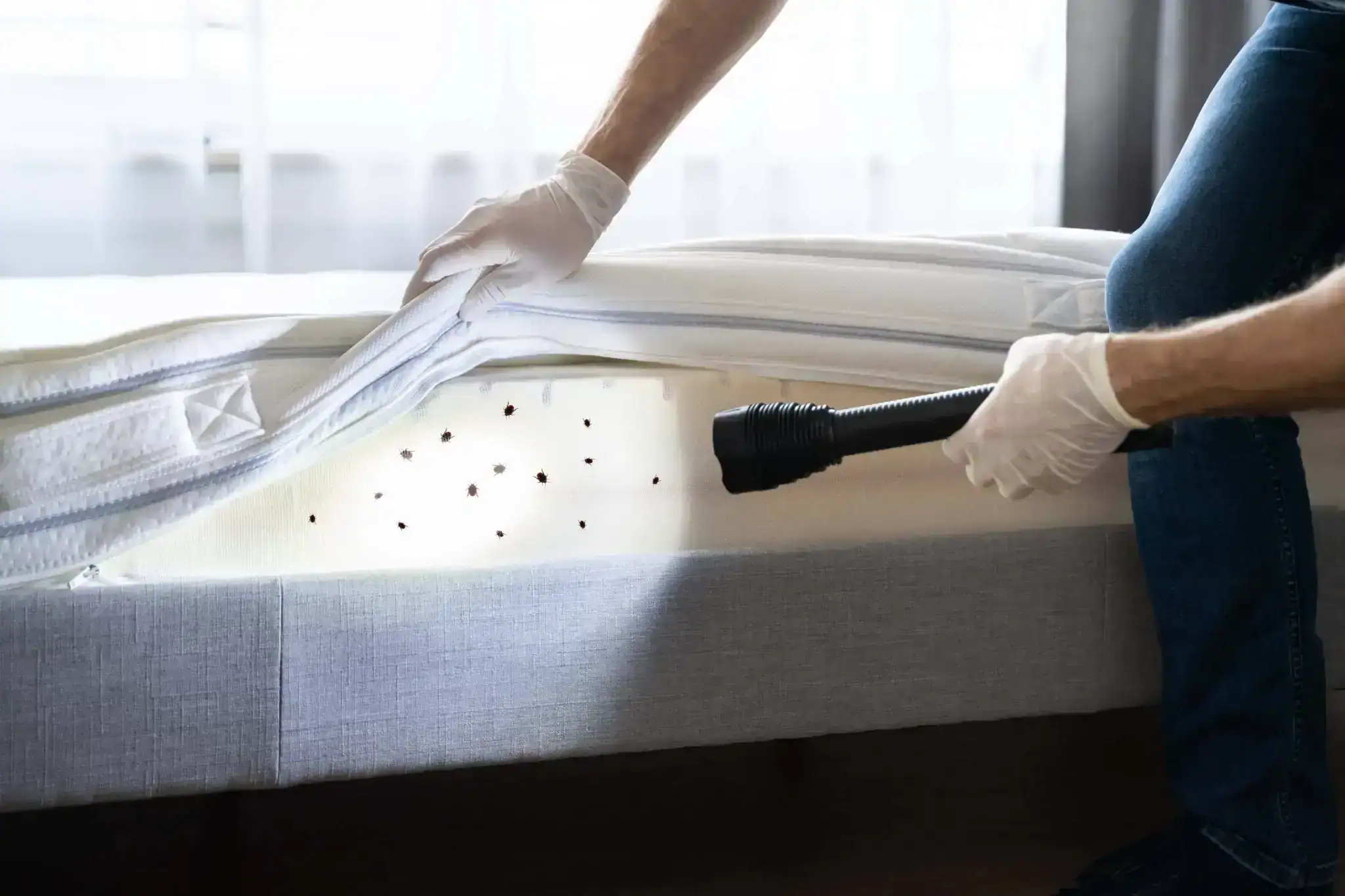
Your mattress and box spring require special attention since they’re primary bed bug harborage areas. Vacuum the mattress and box spring to remove live and dead bed bugs, then double-bag and discard vacuum bags in an outdoor trash can immediately to avoid re-introducing or spreading bed bugs caught in the vacuum.
Remove all bedding and pillows, place them in bags, and take them to the laundry room where they can be placed directly into the washing machine using hot water or into a dryer as indicated. The immediate transfer from bag to washer prevents bed bugs from escaping during handling.
If the mattress and box spring will be encased, use encasements that are bed bug-proof—thick enough so bed bugs cannot bite through and with tight zippers that bugs cannot escape through. However, timing matters for encasement installation. Installing mattress encasements properly can be challenging for someone attempting to follow instructions for the first time, and this step is incredibly important because encasements create a barrier against new bed bugs.
Articles under beds provide ideal hiding places for bed bugs, so all clothing or garments must be bagged and laundered, while larger items previously stored under the bed should not be moved as bed bugs may relocate to other areas. This containment approach prevents spreading the infestation during preparation.
Upholstered furniture presents unique challenges during bed bug preparation. Vacuum couches, chairs, and recliners thoroughly before treatment, and if possible, turn furniture over or on its side to vacuum underneath as well. If there’s a dust cover attached on the underside, pull it back and vacuum areas that will need treatment, then double-bag and discard vacuum bags in outdoor trash immediately.
Electronics require careful handling since bed bugs can hide in small spaces within devices. Bed bugs can hide in cracks of furniture, sheets, pillows, mattresses, under area rugs, couch cushions, and inside electronics like cell phones. All electronic equipment should remain in areas for treatment rather than being moved, as this ensures they receive proper treatment.
Plastic tote bins with airtight seals can be used for items that cannot be laundered, such as hard toys, electronics, books, and breakable items. This approach protects valuable items while ensuring they don’t harbor bed bugs after treatment.
The preparation extends to structural elements as well. Remove all electrical wall plates, phone jack plates, light switch covers, and paintings from walls. Bed bugs can move through walls and electrical sockets, making these access points critical for thorough treatment.
Understanding what not to do during preparation is just as important as knowing the correct steps. One of the biggest mistakes homeowners make is attempting self-treatment, as over-the-counter products like sprays or diatomaceous earth can do more harm than good. Self-treating can push bed bugs to other parts of the room or neighboring units, complicating the problem and making professional treatment less effective.
You and your pets must vacate the premises during service and not re-enter until at least 4 hours after treatment. Fish aquariums may be left on-site but should be covered with air filters disconnected, and persons with underlying health conditions should consult their family physician regarding re-entry time.
The consequences of inadequate preparation are significant. Failing to adequately prepare your home can significantly hinder treatment effectiveness and potentially exacerbate the infestation, as our technicians arrive expecting certain preparatory steps have been taken. Failure to adhere to the preparatory checklist can diminish treatment effectiveness, pose safety risks, and potentially void warranties we provide with our pest control services.
Working with us at First Choice Pest Control in Genesee County, MI makes this process more manageable. Our 20 years of experience and specialized services, including canine bed bug detection, provide the expertise needed to guide you through proper preparation and ensure treatment success.
Article details:
Share:
Continue learning: