In-Depth Guides for Smarter Pest Control Decisions
Not sure if you need a pest inspection? These 10 warning signs reveal when it's time to call a professional before small problems turn into expensive nightmares.
Share:
Summary:
Your home’s structure tells a story. When pests move in, they leave evidence behind, even when you can’t see the pests themselves.
Wood that sounds hollow when you tap it signals potential termite damage. These insects eat from the inside out, leaving only a thin surface layer intact. By the time you notice the damage, they’ve likely been feeding for months or even years.
Small piles of what looks like sawdust near baseboards, window frames, or door jambs deserve immediate attention. This material, called frass, is termite droppings. It accumulates near exit holes and indicates active feeding.
Rodents need to gnaw constantly to keep their teeth from overgrowing. This biological necessity means they’ll chew through almost anything in your home, from wood and plastic to electrical wiring and even concrete.
Look for small holes in walls, particularly near floor level where mice typically travel. Mice can squeeze through openings the size of a dime, creating entry points around pipes, vents, utility lines, and foundation cracks. Once inside, they establish travel routes along baseboards and wall corners, leaving oily marks from their fur as they pass.
Check your stored items, insulation, and electrical wiring carefully. Rodent damage to wiring creates serious fire hazards that go far beyond the nuisance of having pests in your home. Chewed wires in walls or attics need immediate professional attention, not just for the pest problem but for your family’s safety.
Furniture showing unexplained gnaw marks points to an established rodent population. They’re comfortable enough in your space to feed openly on wooden furniture legs, cabinet corners, and stored items. Kitchen cabinets, pantry areas, and storage rooms are common targets. You might also notice shredded paper, fabric, or insulation that rodents collect for nesting material.
Rodent droppings confirm the problem and help determine how serious it’s become. Mouse droppings look like small, dark pellets about the size of a grain of rice. Rat droppings are larger, roughly the size of a raisin. Fresh droppings are soft and dark, while older ones become hard and gray. The number and location tell us about population size and movement patterns.
Genesee County homes, particularly older construction common in Flint, Grand Blanc, and Fenton, often have more gaps around foundations and utility penetrations than newer builds. These openings increase vulnerability to rodent entry. What starts as one mouse finding its way inside during Michigan’s cold months quickly becomes a breeding population if left unchecked. A single female mouse can produce five to ten litters per year, with each litter containing five to six young.
Termites build pencil-sized mud tubes to travel between their soil colonies and your home’s wood. These tubes protect them from predators and maintain the humidity they need to survive. You’ll typically find them on exterior and interior walls, leading up from the ground. Check your foundation, crawl spaces, and basement walls carefully during any home inspection.
Subterranean termites are the most serious wood-destroying pest in Michigan, and they’re far more common than most people realize. They prefer wood with high moisture content, which is why severe termite damage often concentrates in areas where excessive moisture persists. Basements, crawl spaces, and areas near plumbing leaks become prime targets. The damage accumulates slowly but steadily, with a mature colony of 60,000 termites eating the equivalent of a two-foot length of 2×4 lumber in a year’s time.
Blistering or bubbling paint on wood surfaces can indicate termite activity beneath. The insects create moisture as they feed, which affects the paint’s appearance and adhesion. Wood that sounds hollow when tapped or feels soft when pressed suggests the interior has been consumed. Termites consume wood from the inside out, leaving structural integrity compromised long before the damage becomes visible to untrained eyes.
Discarded wings near windows, doors, or light fixtures signal that termite swarmers have been present. These winged termites emerge from mature colonies to start new ones, typically during late spring through summer in Michigan. Finding their discarded wings means a colony has been established nearby for at least five to seven years, quietly feeding on your home’s structure.
Michigan’s damp springs and humid summers create ideal conditions for termite activity. Properties with poor drainage, wood-to-soil contact, or moisture issues around the foundation face higher risk. Improper ventilation of enclosed spaces, boards in direct contact with soil, and areas where water accumulates near the foundation all attract termites. A professional pest control audit identifies these conducive conditions before termites establish colonies that cause thousands in structural damage.
The challenge with termites is that damage occurs very slowly and remains hidden. Unlike rodents that leave droppings and create noise, termites work silently in spaces you rarely inspect. By the time damage becomes obvious, the cost of repairs has already escalated significantly. This is exactly why regular pest inspections matter, particularly for homes in Shiawassee County and Genesee County where subterranean termites are active.
Want live answers?
Connect with a First Choice Pest Control expert for fast, friendly support.
Your ears and nose often detect pest problems before your eyes do. Pests create distinct sounds and smells as they establish themselves in your space, and learning to recognize these signals helps you catch infestations early.
Scratching, scurrying, or squeaking sounds in walls, ceilings, or floors indicate active pest movement. These sounds typically occur at night when rodents are most active. Listen carefully in quiet moments, particularly near kitchen areas, bathrooms, and along exterior walls where pests commonly enter.
Musty, stale odors that persist despite cleaning suggest hidden pest activity or moisture problems that attract pests. Different pests create different smells, and identifying the specific odor helps determine what you’re dealing with and how serious the problem has become.

The sounds you’re hearing aren’t your imagination, and they’re not your house settling. Pests make specific, identifiable noises as they move through your home’s hidden spaces, and these sounds provide valuable clues about what’s happening behind your walls.
Mice and rats travel along established routes inside walls and between floors. Their movement creates scratching, scurrying sounds that become more noticeable at night when your home is quiet and their activity peaks. You might hear them most clearly in bedrooms, bathrooms, or near the kitchen where they search for food and water. The sounds often come from the same locations repeatedly as rodents follow scent trails along their established pathways.
Heavier thumping or rolling sounds suggest larger rodents like rats. They’re less cautious than mice and make more noise as they move through attics, crawl spaces, and wall voids. Rats also create grinding sounds as they gnaw through wood, plastic, or even concrete to create or expand entry points. This gnawing behavior is constant because their teeth never stop growing.
Rustling sounds in attics or crawl spaces often indicate nesting activity. Rodents gather insulation, paper, fabric, and other materials to build nests in quiet, undisturbed areas where they feel safe raising young. These nests typically appear in corners, behind stored items, or in insulation. A single nest might house multiple generations of mice, with populations growing exponentially over just a few months.
Buzzing or humming sounds in walls could signal stinging insects building nests inside wall voids. Wasps, hornets, and bees sometimes establish colonies in the protective spaces between your walls, particularly during spring and summer. These situations require professional removal, as attempting DIY solutions puts you at risk of multiple stings and doesn’t address the entire colony.
Clicking or tapping sounds might indicate termites, though these are subtle and easily missed. Large termite colonies sometimes produce faint clicking as soldier termites bang their heads against wood to signal danger to the colony. If you hear this sound combined with other termite indicators like mud tubes or wood damage, a professional exterminator should inspect immediately.
Michigan’s seasonal temperature changes drive pests indoors predictably. As fall temperatures drop, rodents seek warm shelter inside homes and businesses. Your walls, attic, and basement provide exactly what they need: protection from weather, proximity to food sources, and safe spaces to nest. What starts as occasional sounds quickly escalates as pests establish territories and breed. Waiting to address these sounds means allowing populations to grow and damage to accumulate.
Persistent odors in your home signal problems that air fresheners and cleaning can’t solve. These smells indicate pest activity, moisture issues, or both working together to create conditions that threaten your home’s structural integrity and your family’s health.
A strong ammonia smell, particularly in enclosed spaces like cabinets, closets, or storage areas, comes from rodent urine. Mice and rats urinate frequently along their travel routes to mark territory and communicate with other rodents. As populations grow, the smell intensifies and becomes harder to ignore. This odor is especially noticeable in areas with poor ventilation like basements and crawl spaces.
Oily, musty odors in kitchens or bathrooms often indicate cockroach infestations. Cockroaches produce pheromones that create this distinctive smell, which intensifies as populations grow. The larger the infestation, the stronger the odor becomes. This smell lingers on surfaces where cockroaches travel and can permeate stored items, contaminating food and creating health risks.
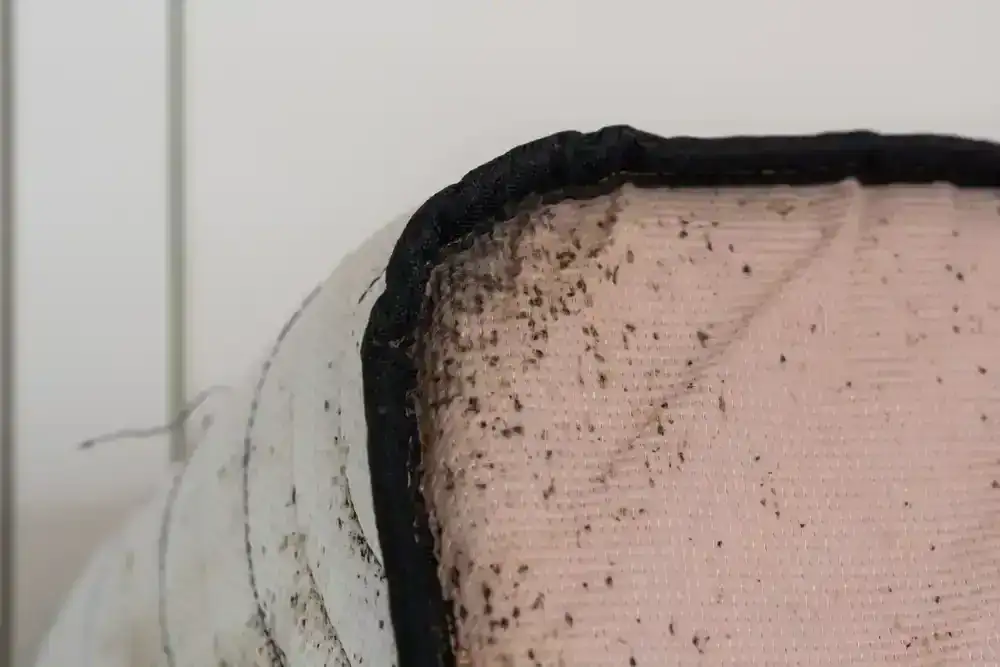
Sweet, musty scents in bedrooms might signal bed bugs. Not everyone can detect this smell, but those who can describe it as similar to coriander or rotting raspberries. Bed bugs release this odor through scent glands, particularly when populations are large. Combined with small blood spots on sheets, dark fecal spots on mattresses, or actual bug sightings, this smell confirms an infestation that requires immediate professional treatment.
Moldy or mildew smells that persist despite addressing visible moisture suggest hidden problems beneath the surface. Pests like termites create moisture as they feed on wood. Rodents sometimes damage pipes or create conditions where condensation accumulates in wall voids. These moisture issues not only attract more pests but also cause structural damage and create health concerns like mold growth.
Dead animal odors are unmistakable and indicate that a pest has died inside your walls, crawl space, or another inaccessible area. Rodents sometimes die in traps set in walls or consume poison and retreat to hidden spaces before dying. The decomposition smell is intense, nauseating, and can last for weeks depending on the size of the animal and environmental conditions. We can locate and remove dead animals, then identify how the pests entered to prevent future problems.
Genesee County’s humid summers and moisture-prone basements create environments where these smells develop quickly and persist. Professional pest control audits identify both the pest problems and the conducive conditions that allow them to thrive. Addressing odor sources requires finding and eliminating the root cause, not just masking the smell. A thorough pest inspection examines all the areas where odors originate, from attics and crawl spaces to wall voids and basements, giving you a complete picture of what’s happening in your home.
The signs are there if you know what to look for. Structural damage, strange sounds, persistent odors, and visible pest activity all tell you the same thing: it’s time for a professional evaluation.
A pest control audit gives you the full picture. We know where pests hide, how they enter, and what conditions allow them to thrive. We catch problems in early stages when solutions are simpler and less expensive. Most importantly, we address root causes instead of just treating symptoms that keep coming back.
Your home is likely your largest investment. Protecting it means taking action when warning signs appear, not waiting until damage becomes obvious and repairs become expensive. If you’re seeing any of these ten indicators in your Genesee County or Shiawassee County home, we can help. With 20 years of local experience and the same trained technicians serving your property year after year, you get honest assessments and solutions that actually work.
Article details:
Share:
Continue learning: