In-Depth Guides for Smarter Pest Control Decisions
Michigan's humid summers create perfect mosquito breeding conditions. Learn effective yard management strategies and professional treatment options.
Share:
Summary:
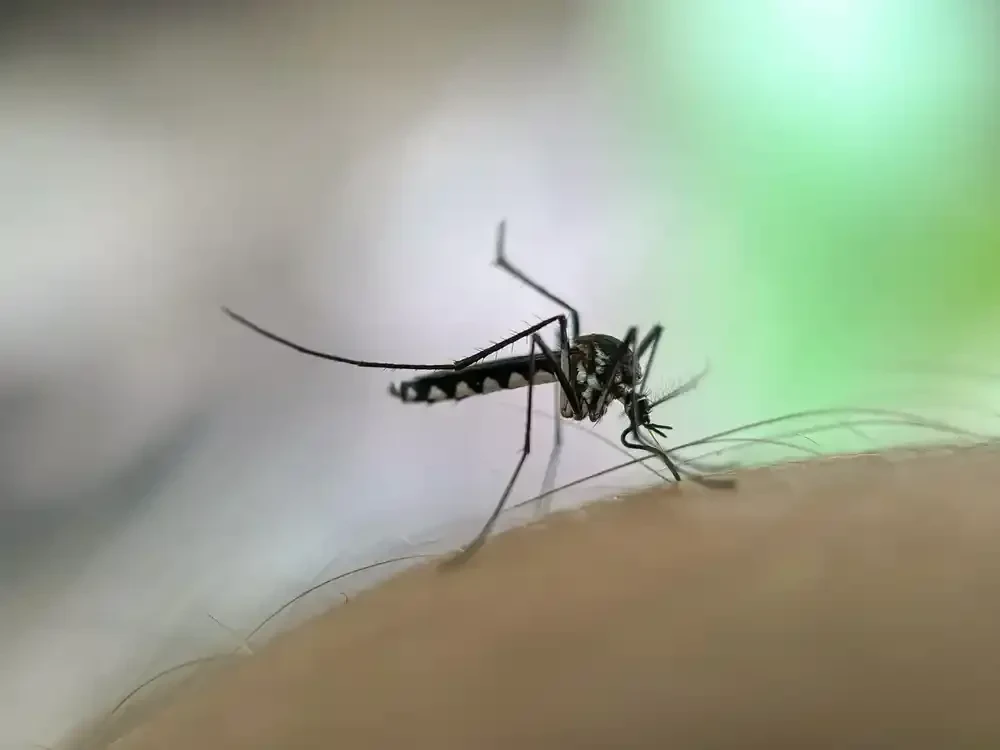
The most effective mosquito control starts with understanding where they breed. Female mosquitoes need just a bottle cap’s worth of standing water to lay up to 300 eggs. That means your yard likely has multiple breeding sites you haven’t even considered.
Start with the obvious culprits but don’t stop there. Check flower pot saucers, clogged gutters, and anywhere water collects after rain. But also look for the sneaky spots – tree holes, tarps that sag and collect water, and even that decorative birdbath you forgot to maintain.
The key is consistency. Mosquitoes can complete their life cycle in just 10-14 days when conditions are right, so weekly water elimination becomes crucial during Michigan’s active season from April through October.
While you’re dumping out obvious water containers, mosquitoes are breeding in places you’d never think to check. Clogged gutters are mosquito gold mines, especially when leaves create small dams that hold water for weeks. That decorative fountain that’s been “temporarily” turned off? Perfect breeding habitat.
Don’t overlook your landscaping either. Those low spots in your lawn that puddle after every rain are mosquito nurseries. Ornamental grasses and dense plantings can hide small water collections that persist long after surfaces appear dry.
Even your maintenance routine creates opportunities. Wheelbarrows left outside collect rainwater. Garden hoses coiled on the ground form water traps. Pool covers that don’t fit properly create standing water pockets that can produce hundreds of mosquitoes weekly.
The solution isn’t complicated, but it requires a shift in perspective. Walk your property like a mosquito looking for nursery space. Check areas that stay damp longer, examine anything that could collect even small amounts of water, and remember that consistency matters more than perfection. Weekly elimination during peak season prevents most breeding cycles from completing.
Your landscaping choices also impact mosquito populations. Dense vegetation provides resting spots for adult mosquitoes during hot daytime hours. Trimming back overgrown shrubs, especially near seating areas, reduces these harborage sites. Consider spacing between plantings to improve air circulation, since mosquitoes struggle in areas with good airflow.
Your landscaping decisions directly impact mosquito populations, but most homeowners don’t realize they’re creating mosquito habitat with their plant choices and maintenance routines. Dense, overgrown vegetation provides perfect daytime resting spots for adult mosquitoes, especially in shaded areas near your outdoor living spaces.
Start by evaluating plants near patios, decks, and frequently used yard areas. Mosquitoes prefer to rest in cool, humid microclimates created by dense foliage. Thinning overgrown shrubs and creating space between plantings improves airflow, which mosquitoes avoid. They’re weak fliers and struggle in areas with even light breezes.
Your mowing routine matters more than you might think. Tall grass creates humid microclimates at ground level where mosquitoes rest and seek mates. Regular mowing eliminates these resting areas and reduces overall mosquito comfort in your yard. Pay special attention to areas around water features, air conditioning units, and anywhere irrigation creates consistently damp conditions.
Consider your plant selections strategically. While “mosquito-repelling plants” aren’t as effective as advertisements claim, some landscaping choices do impact mosquito populations. Plants that require frequent watering create consistently moist soil conditions that support mosquito development. Conversely, drought-tolerant native plants reduce irrigation needs and eliminate water sources.
Tree maintenance plays a crucial role too. Tree holes from storm damage or pruning cuts collect water and become mosquito breeding sites. Fill these holes or ensure they drain properly. Overhanging branches that create deep shade over seating areas provide mosquito resting spots during peak activity periods.
Don’t forget about your lawn care practices. Overwatering creates surface moisture that extends beyond plant root zones. Irrigation systems with poor coverage create puddles in low areas. Adjust watering schedules and coverage patterns to minimize standing water while maintaining healthy landscapes.
Want live answers?
Connect with a First Choice Pest Control expert for fast, friendly support.
Even perfect yard maintenance only addresses part of the mosquito equation. You can eliminate every breeding site on your property, but mosquitoes from neighboring areas will still find your yard attractive for feeding and resting. When DIY efforts aren’t providing the relief you need to actually enjoy outdoor time, professional intervention becomes the practical solution.
We use professional mosquito control methods that target both breeding sites and adult populations using techniques unavailable to homeowners. Barrier spray treatments create protective zones around your property that last 3-4 weeks, while larvicide applications prevent breeding in water sources that can’t be eliminated.
The timing of professional treatment matters significantly. Starting before peak season provides better control than waiting until mosquito populations explode in mid-summer.
Our barrier spray treatments work differently than the repellent sprays you buy at hardware stores. These treatments create a protective zone around your property by targeting the specific areas where mosquitoes rest during daytime hours – the undersides of leaves, dense vegetation, and shaded areas around your home’s perimeter.
Our application process focuses on mosquito behavior rather than blanket coverage. We identify and treat resting sites, breeding areas, and the transition zones mosquitoes use when moving between habitats. This targeted approach maximizes effectiveness while minimizing environmental impact.
Modern barrier sprays bond to treated surfaces and remain effective for 3-4 weeks under normal weather conditions. Rain doesn’t wash away properly applied treatments, and the residual effect continues killing mosquitoes that contact treated areas throughout the protection period. This provides consistent control rather than the temporary relief offered by foggers or repellent sprays.
The effectiveness is measurable. Our treatments typically reduce mosquito populations by 85-90% in treated areas. That’s the difference between constantly swatting mosquitoes and actually enjoying outdoor time during peak season. Most families notice dramatic improvements within 48 hours of treatment.
We also address multiple pest species simultaneously. Many of our treatments control ticks, fleas, and other outdoor pests along with mosquitoes, providing comprehensive protection for families spending time outdoors. This multi-target approach often provides better value than treating each pest separately.
Safety considerations are built into our applications. We use EPA-registered products applied by certified technicians following label guidelines to minimize exposure risks while maximizing effectiveness. We understand re-entry intervals, weather considerations, and application techniques that ensure both safety and results.
Michigan’s mosquito season typically runs from April through October, but recent climate patterns have extended this window. Early spring treatments provide the most effective season-long control by interrupting breeding cycles before populations explode during peak summer months.
The state’s humid summers create ideal conditions for rapid mosquito reproduction. July and August represent peak activity periods when multiple species overlap, disease transmission risks are highest, and outdoor activities become nearly impossible without protection. Starting professional treatment in late spring prevents this summer surge rather than reacting to it.
Weather patterns significantly impact treatment timing and effectiveness. Michigan’s unpredictable spring weather can delay or accelerate mosquito emergence. We monitor local conditions and adjust treatment schedules accordingly. We understand that mosquito development accelerates with temperature increases and plan treatments to disrupt these cycles at optimal points.
Peak season also represents the highest disease transmission risk. West Nile Virus has been detected in Michigan mosquitoes every summer since 2002, with southeastern Michigan counties showing the most activity. Eastern Equine Encephalitis cases, while less common, carry severe health consequences. Professional treatment during peak transmission periods provides crucial protection for families spending time outdoors.
The economic timing matters too. Early season treatment prevents population explosions that require more intensive control measures later. Starting before peak season typically requires fewer treatments and provides better season-long results than trying to knock down established populations during summer months.
We also adjust treatment intensity based on seasonal patterns. Spring applications focus on emerging populations and known breeding areas. Summer treatments target peak populations and provide maximum protection during heavy outdoor use periods. Fall treatments extend the outdoor season and reduce overwintering populations that emerge the following spring.
Understanding your property’s specific mosquito pressure helps determine optimal timing. Properties near wetlands, heavily wooded areas, or with abundant shade may need earlier intervention than open, well-drained sites. We assess these factors and recommend timing that matches your situation.
Effective mosquito control in Michigan requires understanding the unique challenges our climate and landscape create. Regular elimination of standing water, strategic landscaping choices, and consistent yard maintenance provide the foundation for reducing mosquito populations around your property.
However, when DIY efforts aren’t providing the relief needed to actually enjoy outdoor time with your family, our professional barrier spray treatments offer proven results. The combination of source reduction and targeted professional control gives Michigan homeowners the comprehensive protection needed during our challenging mosquito season.
Don’t let mosquitoes steal another summer of outdoor enjoyment. Whether you’re implementing prevention strategies or ready for professional treatment, we have the local expertise and proven methods to help you reclaim your yard and outdoor living spaces.
Article details:
Share:
Continue learning: