In-Depth Guides for Smarter Pest Control Decisions
Michigan's changing seasons bring unique pest challenges to your home. Learn to identify the top 7 common household invaders and the prevention methods that actually work.
Share:
Summary:
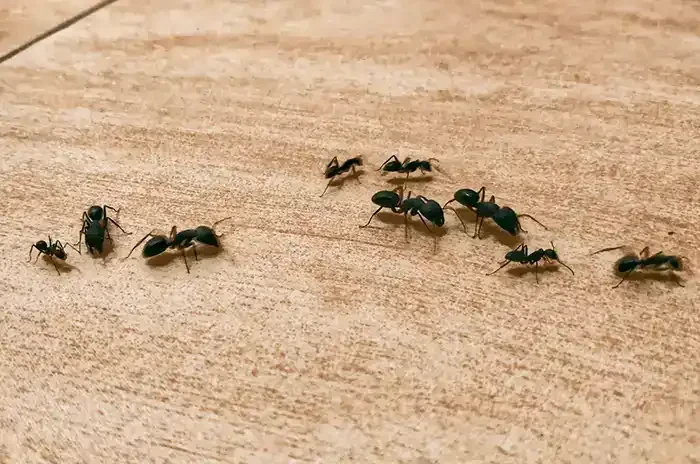
Ants earn the top spot because they’re relentless, incredibly organized, and active in Michigan from early spring through late fall. You’re most likely dealing with pavement ants, carpenter ants, or odorous house ants—each with different behaviors but all sharing an annoying ability to find their way into your kitchen, bathroom, and anywhere else they can locate food or moisture.
These tiny invaders operate like a military unit. Scout ants explore your home, leaving invisible chemical trails that guide thousands of workers directly to whatever attracted them initially. Once they establish these highways, you’ll see steady streams of ants marching across your counters, floors, and walls.
The frustrating part? The ants you see represent only a fraction of the colony. Kill the visible ants, and more will simply follow the same trails until you eliminate the source and break their communication system.
Ants are master infiltrators, capable of squeezing through cracks thinner than a credit card. They don’t need obvious entry points—they’ll find microscopic gaps you’d never notice around window frames, door thresholds, foundation walls, and anywhere different building materials meet.
Moisture draws them like a magnet. Leaky pipes under sinks, condensation around windows, poorly ventilated bathrooms, and damp basements create ant superhighways directly into your living spaces. They’re also attracted to pet food bowls, sticky spills you thought you cleaned up completely, and even the sweet residue left by some cleaning products.
Michigan’s spring weather triggers intense ant activity as colonies emerge from winter dormancy. Suddenly, you’ll notice trails appearing seemingly overnight, usually starting near moisture sources and leading to food. The kitchen and bathroom become primary targets, but ants will explore every room searching for resources.
Prevention starts with understanding their motivations. Ants need three things: food, water, and shelter. Eliminate easy access to any of these, and you make your home significantly less attractive. Seal cracks with caulk, fix leaky pipes promptly, store food in airtight containers, and clean up spills immediately—including pet food areas that often get overlooked.
However, when you’re seeing regular ant activity, especially large ants that might be carpenter ants, DIY approaches often fall short. Established colonies require professional treatment that targets the source, not just the symptoms. The investment in professional ant control saves you months of frustration and protects your home from potential structural damage.
Carpenter ants deserve special attention because they can cause thousands of dollars in structural damage while remaining largely invisible. These larger ants don’t eat wood like termites, but they excavate it to create smooth tunnels and galleries for their expanding colonies.
In Michigan, carpenter ant activity peaks during summer months when warm temperatures support their outdoor foraging and rapid colony growth. They prefer moist, softened wood but will tunnel into sound lumber when expanding their nesting sites. You’ll often find them in areas with moisture problems—around leaky roofs, poorly sealed windows, damp basements, and crawl spaces with inadequate ventilation.
The warning signs are subtle but important to recognize. Small piles of sawdust-like material called frass appear near their tunneling activity. You might hear faint rustling or tapping sounds inside walls during quiet evening hours when the ants are most active. Sometimes you’ll notice large ants wandering inside your home, particularly in spring when reproductive swarmers emerge from mature colonies.
Here’s what makes carpenter ants particularly challenging: colonies often have multiple nesting sites. The main colony might be outdoors in a rotting tree stump or old lumber pile, while satellite colonies establish themselves inside your home’s structure. These satellite nests can house thousands of workers actively expanding their tunnels through your floor joists, wall studs, and roof decking.
DIY treatments typically fail against carpenter ants because they don’t address the entire colony structure. Professional treatment becomes necessary to identify all nesting locations, eliminate the complete population, and prevent re-infestation. The cost of professional carpenter ant control is minimal compared to repairing structural damage from years of unchecked tunneling activity.
Want live answers?
Connect with a First Choice Pest Control expert for fast, friendly support.
While ants might be the most persistent pests, rodents and spiders pose the most serious health risks and property damage potential. Unlike seasonal invaders that follow predictable patterns, mice, rats, and spiders can establish populations in your home any month of the year.
Rodents multiply rapidly and cause extensive damage through their constant gnawing, nesting activities, and waste production. Spiders, while generally beneficial as pest predators, can trigger significant anxiety and occasionally pose bite risks, particularly for sensitive individuals or when venomous species are present.
Understanding these pests’ behavior patterns and entry methods helps you implement effective prevention strategies before they become established in your home.
Mice and rats represent the most serious pest threat to Michigan homes because of their disease transmission potential, rapid reproduction rates, and destructive behavior. These adaptable creatures have evolved alongside humans for millennia, developing incredible skills for infiltrating homes and surviving in small spaces.
The entry capabilities of rodents often surprise homeowners. Mice can squeeze through openings the size of a dime, while rats can fit through quarter-sized gaps. They use their flexible skeletal structure and sensitive whiskers to navigate incredibly tight spaces, following air currents and scent trails to locate potential entry points around your home’s foundation, utility penetrations, garage doors, and areas where different building materials create small gaps.
Health risks from rodents extend far beyond the obvious disgust factor. They carry serious diseases including hantavirus, salmonella, leptospirosis, and rat-bite fever, spreading these pathogens through their droppings, urine, saliva, and parasites. Children and individuals with compromised immune systems face elevated risks from rodent-borne illnesses.
Property damage from rodents can be extensive and expensive. They chew through electrical wiring, creating fire hazards that insurance companies increasingly recognize as serious liability issues. Their constant gnawing damages insulation, plastic pipes, stored items, and even structural wood. Contamination from their waste products can ruin stored food, clothing, and important documents.
Michigan’s fall season brings peak rodent pressure as outdoor temperatures drop and natural food sources become scarce. Mice and rats actively seek warm shelter with reliable food access, making your home an attractive target. Once inside, they can establish breeding populations within weeks, with a single pair of mice potentially producing dozens of offspring in just a few months.
Effective exterminator services requires comprehensive exclusion work combined with population reduction strategies. Simply setting traps addresses symptoms without solving the underlying access problems that allowed rodents inside initially. Professional rodent control identifies and seals entry points, eliminates attractants, and implements monitoring systems that prevent future infestations while addressing current populations.
Michigan hosts numerous spider species, with most serving as beneficial predators that control other pest populations. However, their indoor presence creates webs, triggers arachnophobia in many people, and occasionally results in bites when spiders feel cornered or threatened.
Common house spiders, cellar spiders, and wolf spiders make up the majority of indoor spider populations. These species generally avoid human contact and bite only when accidentally trapped against skin or when protecting egg sacs. Most spider bites in Michigan cause only minor irritation similar to mosquito bites.
However, Michigan does host two medically significant spider species. Black widow spiders, identifiable by their shiny black bodies and red hourglass markings, prefer dark, undisturbed areas like basements, crawl spaces, and storage rooms. Brown recluse spiders, though not native to Michigan, occasionally arrive in shipments from southern states and can establish small populations in heated buildings.
Spiders enter homes primarily while following their prey, which means controlling other insects naturally reduces spider populations. They prefer quiet, undisturbed areas where they can build webs without interference—basements, attics, closets, storage rooms, and areas behind furniture that rarely get cleaned.
Prevention strategies focus on eliminating spider food sources and preferred hiding places. Regular vacuuming removes webs, egg sacs, and the insects spiders feed on. Sealing entry points reduces both spiders and their prey species. Reducing clutter in storage areas eliminates hiding spots, while addressing moisture problems makes your home less attractive to both spiders and the insects they hunt.
Professional spider control becomes valuable when you’re dealing with recurring infestations, have concerns about potentially dangerous species, or want comprehensive pest management that addresses the entire ecosystem attracting spiders to your home. Integrated approaches that control multiple pest species simultaneously provide more effective long-term results than targeting individual pest types separately.
Protecting your Genesee County, MI home from these seven common pests—ants, carpenter ants, mice, rats, spiders, mosquitoes, and stinging insects—requires understanding their seasonal patterns and implementing prevention strategies before problems develop. Each pest presents unique challenges, but successful control always starts with eliminating access points, removing attractants, and addressing problems early while they’re still manageable.
Michigan’s distinct seasons mean pest pressure never really stops—it just shifts focus. Spring preparation prevents summer infestations, summer maintenance controls peak activity periods, and fall exclusion work keeps overwintering pests outside where they belong. Year-round vigilance and proactive maintenance pay dividends in reduced pest pressure and lower long-term control costs.
When prevention efforts aren’t sufficient or you’re dealing with established infestations that threaten your family’s health and property, professional pest control provides the expertise, specialized equipment, and proven strategies necessary for complete elimination. We understand Michigan’s unique pest challenges and offer the comprehensive services that keep your home protected through every season.
Article details:
Share:
Continue learning: