In-Depth Guides for Smarter Pest Control Decisions
Professional bed bug exterminator in Swartz Creek with canine detection services and proven treatment methods.
Share:
Summary:
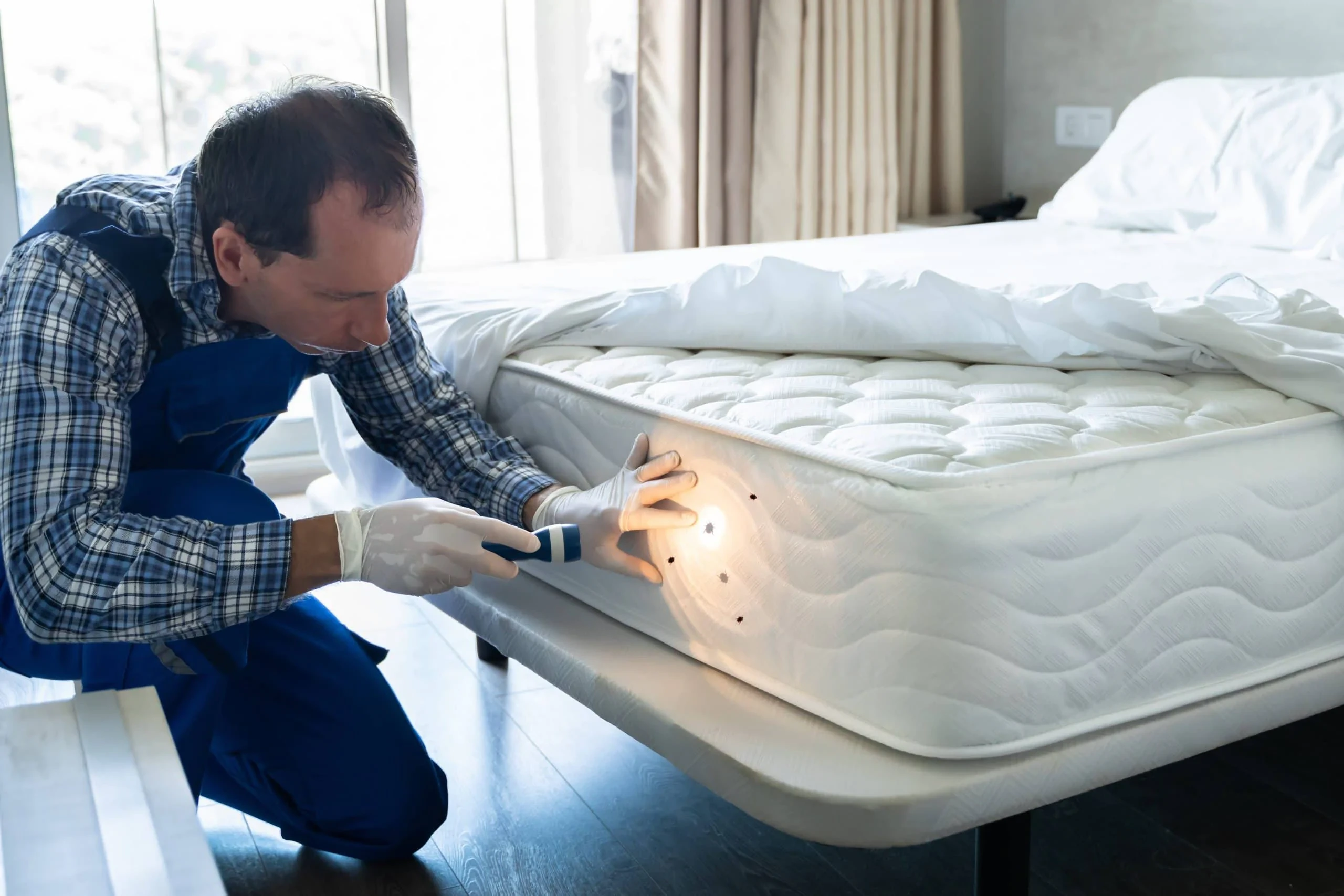
Bed bugs are experts at staying hidden during the day and coming out to feed at night when you’re sleeping. They’re drawn to the carbon dioxide you exhale and your body heat, which is why they typically establish themselves in bedrooms first.
In Swartz Creek’s climate, bed bugs remain active year-round indoors. They don’t hibernate like some pests—they just slow down slightly in cooler temperatures. This means an infestation won’t resolve itself seasonally.
The biggest mistake homeowners make is assuming they can spot all the hiding places. Bed bugs fit into cracks thinner than a credit card, and they’ll hide behind picture frames, inside electrical outlets, and along carpet edges—places you’d never think to check.
Store-bought sprays and foggers give you a false sense of progress. You might kill some bed bugs on contact, but you’re not reaching the ones deep in hiding spots. Worse, these products often cause bed bugs to scatter to new areas of your home, spreading the infestation.
The real problem with DIY approaches is that they don’t address the reproductive cycle. A single female bed bug can lay up to 500 eggs in her lifetime. Miss even a few eggs tucked away in a baseboard crack, and you’re back to square one in a matter of weeks.
Professional-grade treatments use different formulations and application methods than what’s available to consumers. We know where bed bugs hide, how they move through structures, and which products actually penetrate their hiding spots effectively.
Temperature is another factor most people underestimate. Bed bugs die at specific heat levels—122°F for eggs, 118°F for adults—but achieving and maintaining those temperatures throughout all hiding spots requires specialized equipment and expertise.
The preparation required for effective treatment is also more extensive than most homeowners realize. Everything from washing and bagging belongings to moving furniture needs to be done correctly, or treatment effectiveness drops significantly.
The earlier you catch a bed bug problem, the easier and less expensive it is to eliminate. But recognizing the signs isn’t always straightforward, especially in the beginning stages of an infestation.
Bite patterns can be misleading since people react differently to bed bug bites. Some people don’t react at all, while others develop large, itchy welts. The bites often appear in lines or clusters, typically on exposed skin while you sleep—arms, shoulders, neck, and face.
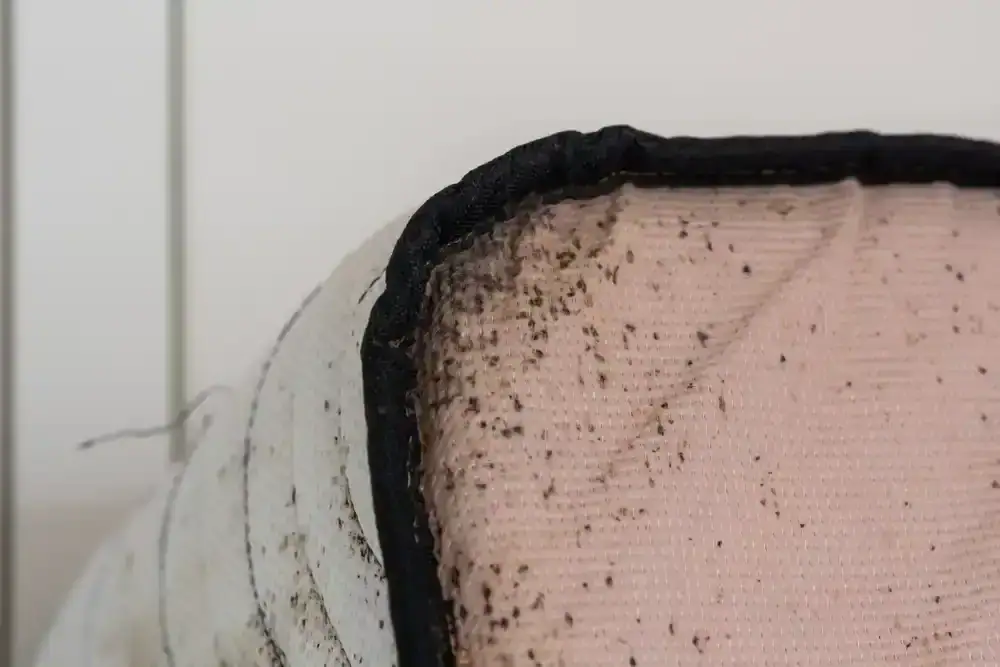
Physical evidence is more reliable than bite reactions. Look for small, dark or rust-colored stains on sheets and pillowcases—these are blood spots from feeding or crushed bugs. You might also notice small, dark spots that look like pepper flakes, which are bed bug excrement.
Sweet, musty odors in bedrooms can indicate larger infestations. This scent comes from bed bug pheromones and becomes more noticeable as populations grow. If you’re detecting unusual odors along with other signs, the infestation has likely been established for some time.
Live bugs are the definitive proof, but they’re not always easy to spot. Adult bed bugs are about the size of an apple seed, flat, and brownish-red. They move quickly when disturbed and immediately seek the nearest hiding spot. Nymphs (juvenile bed bugs) are smaller and lighter in color, making them even harder to detect.
Finding shed skins or eggshells around mattress seams, furniture joints, or along baseboards indicates an active, reproducing population. These are clear signs that professional intervention is necessary to break the reproductive cycle.
Want live answers?
Connect with a First Choice Pest Control expert for fast, friendly support.
Effective bed bug control requires a strategic approach that addresses the entire life cycle and reaches every hiding spot. Professional exterminators have access to treatment methods and products that aren’t available to consumers.
The most successful treatments combine multiple approaches rather than relying on a single method. This integrated approach ensures that bed bugs are eliminated regardless of their life stage or hiding location.
Modern bed bug control has evolved significantly from the days of simply spraying pesticides and hoping for the best. Today’s professional treatments are more targeted, more effective, and safer for your family.
Heat treatment involves raising the temperature in affected areas to levels that are lethal to all bed bug life stages. Professional-grade heating equipment can achieve and maintain temperatures of 120-140°F throughout your home, penetrating into wall voids, furniture, and other hiding spots where bed bugs shelter.
The major advantage of heat treatment is that it kills bed bugs at every life stage in a single application. Eggs, nymphs, and adults all die when exposed to lethal temperatures for the required duration. This eliminates the need for multiple treatments spaced weeks apart.
Heat also reaches areas that chemical treatments might miss. It penetrates deep into mattresses, furniture cushions, and wall voids where bed bugs often establish their harborages. There’s no resistance issue with heat—bed bugs can’t develop immunity to lethal temperatures.
Chemical treatments use professional-grade insecticides applied as liquids, dusts, and aerosols. These products are more potent and longer-lasting than consumer versions. The residual effect means that bed bugs continuing to emerge from eggs will contact treated surfaces and die.
The challenge with chemical treatments is that bed bugs have developed resistance to many common insecticides. What worked effectively years ago may have limited impact on today’s bed bug populations. This is why professional pest control companies use multiple product types and application methods.
Combination approaches often provide the best results. Heat treatment eliminates the immediate population, while targeted chemical applications provide ongoing protection against any bed bugs that might be reintroduced. This dual approach addresses both immediate elimination and long-term prevention.
Trained bed bug detection dogs can identify infestations with over 90% accuracy, compared to about 30% accuracy for human visual inspections. These dogs are trained to detect the scent of live bed bugs and viable eggs, not just old evidence or dead bugs.
The detection process is remarkably fast. A trained dog can inspect an entire room in just a few minutes, alerting to specific locations where live bed bugs are present. This precision allows for targeted treatment rather than treating entire areas unnecessarily.
Canine detection is particularly valuable in the early stages of an infestation when bed bug populations are small and evidence is minimal. Dogs can detect even a single pregnant female bed bug, allowing for intervention before the population explodes.
The training process for bed bug detection dogs is intensive and ongoing. These dogs go through the same rigorous training regimen as bomb-detection or drug-detection dogs. They must maintain their skills through regular practice sessions and periodic recertification.
Only a small number of pest control companies in the United States offer certified canine bed bug detection services. The investment in training, maintaining, and certifying detection dogs is significant, but the accuracy and efficiency make it worthwhile for both the company and the customer.
We are one of fewer than 100 companies nationwide that offer this specialized service. Our detection dogs are trained and certified to the highest industry standards, providing you with the most accurate assessment of your bed bug situation.
Bed bug control isn’t something you want to gamble with. The longer an infestation persists, the more difficult and expensive it becomes to eliminate. Professional treatment that addresses the problem completely the first time saves you time, money, and the stress of dealing with recurring infestations.
The key is choosing a pest control company that understands integrated pest management and has the tools and expertise to eliminate bed bugs at every life stage. Look for companies that offer multiple treatment options, use certified detection methods, and stand behind their work.
When you’re ready to reclaim your home from bed bugs, contact us for a comprehensive assessment and customized treatment plan that gets results.
Article details:
Share:
Continue learning: