In-Depth Guides for Smarter Pest Control Decisions
Most DIY bed bug methods fail because they can't reach hidden eggs and populations. Here's an honest comparison of what works—and when professional help saves you time and money.
Share:

Summary:
Bed bugs aren’t like other pests. They don’t build visible nests or leave obvious trails. They’re flat enough to hide in cracks the width of a credit card, and they’re nocturnal, which means you rarely see them during the day.
A single female can lay hundreds of eggs in her lifetime. Those eggs are tiny, sticky, and tucked into seams, crevices, and corners you’d never think to check. Even if you kill every adult bug you can see, those eggs will hatch in about a week, and you’re right back where you started. That’s why so many DIY attempts fail—you’re only addressing part of the problem.
They also don’t need to feed often. Bed bugs can survive several months without a blood meal, which means just leaving your home empty or avoiding your bedroom won’t starve them out. They’ll wait. And when you come back, they’ll be ready. This resilience is exactly why professional bed bug inspection and treatment has become essential for homeowners throughout Genesee County, MI who want results that actually last.
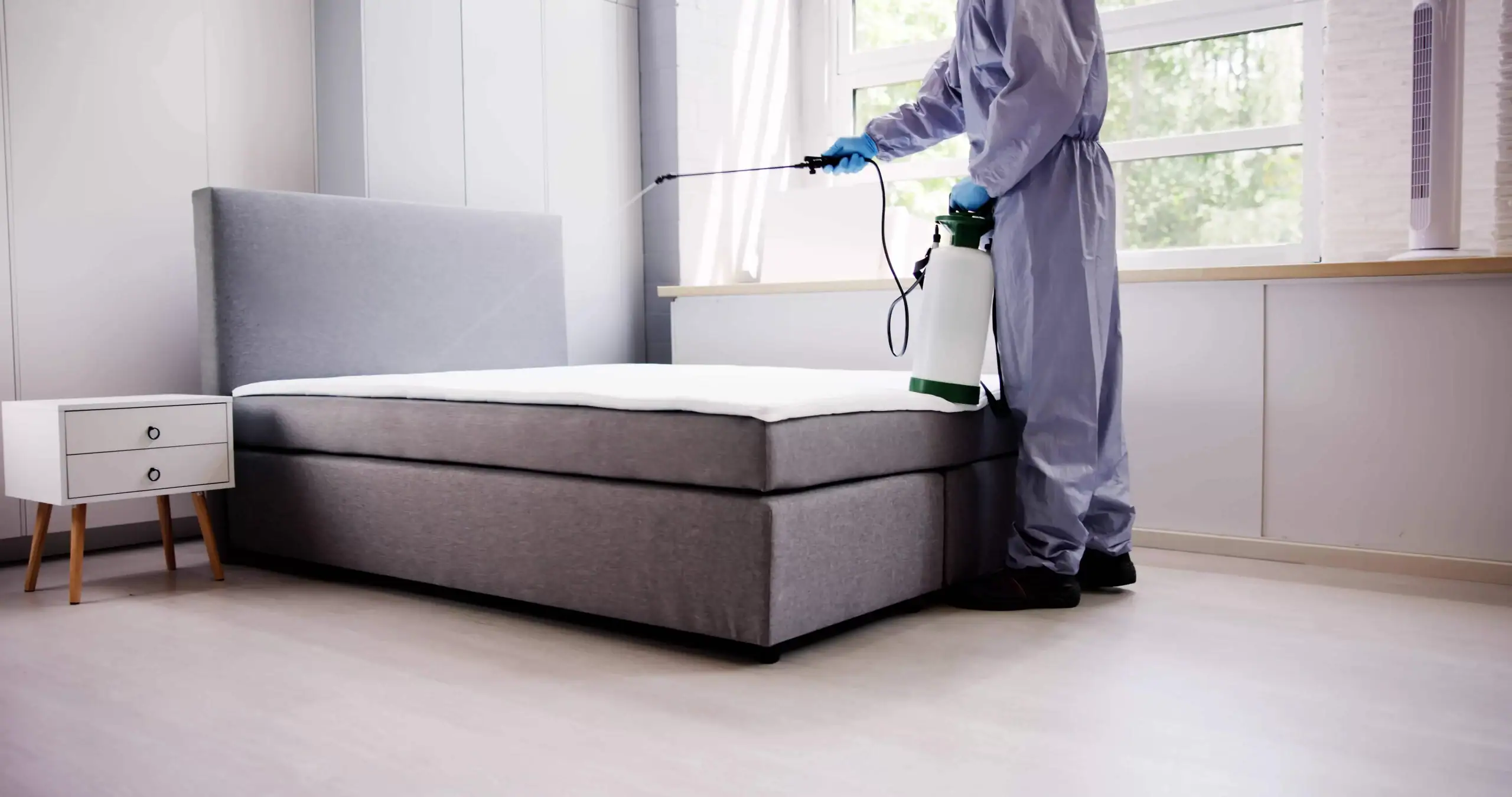
Most people think bed bugs only live in mattresses. That’s where they got their name, sure, but it’s not the whole story. Bed bugs hide anywhere close to where you sleep—and plenty of places you wouldn’t expect.
Check the seams and tufts of your mattress first. Look along the piping, under tags, and in the folds of your box spring. But don’t stop there. Bed bugs also hide behind headboards, inside bed frames, and in the cracks of nightstands. They’re drawn to the carbon dioxide you exhale and your body heat, so they stay close. Within two meters of where you sleep is their preferred zone.
They move into baseboards, electrical outlets, and wall voids. They tuck themselves behind picture frames and inside upholstered furniture. If there’s a crack, crevice, or seam near your bed, there’s a chance bed bugs are using it. In apartments and multi-family buildings across Genesee County, bed bugs travel through shared walls and electrical conduits, which is why one infested unit can quickly become a building-wide problem.
This is why visual inspections miss so much. You can’t see into wall voids or behind outlet covers without taking things apart. You can’t spot eggs that are smaller than a pinhead and blend into fabric. Human inspectors, even trained ones, only catch about 30% of bed bug infestations during visual checks. And if you’re only treating the areas you can see, you’re leaving most of the population untouched.
That’s also why canine bed bug detection has become so valuable. Trained dogs can smell bed bugs and their eggs in places human eyes can’t reach. Their sense of smell is 40 times more powerful than ours, allowing them to detect bed bug pheromones at concentrations humans cannot perceive. At First Choice Pest Control , we’re one of fewer than 100 companies in the United States offering this service. It’s not just about finding bugs faster—it’s about finding all of them so treatment actually works. Our detection dogs achieve 95-98% accuracy, which means you’re not wasting money treating areas that don’t have bugs or missing areas that do.
Bed bugs don’t waste time. Once they’re in your home, they get to work reproducing. A single mated female lays 1-5 eggs per day. That doesn’t sound like much until you do the math.
In three months, one pregnant female can turn into a population of several hundred bugs. By six months, you’re looking at thousands. And because bed bugs go through five life stages before reaching adulthood, you’re dealing with eggs, nymphs, and adults all at once—each requiring different approaches to eliminate. Eggs are resistant to many treatments that kill adults. Nymphs need to feed more frequently than adults, which means more bites for you.
The problem gets worse in multi-family housing. Bed bugs don’t respect property lines. They move through wall voids, electrical conduits, and shared spaces. If your neighbor has bed bugs and doesn’t treat them, you’re fighting a losing battle. That’s why apartments and condos in Genesee County often require building-wide inspections and coordinated treatment plans. The Genesee County Health Department has documented this pattern and recommends notifying landlords immediately when bed bugs are discovered in rental properties.
Speed matters when it comes to bed bugs. The sooner you catch an infestation, the easier and cheaper it is to eliminate. Wait too long, and what could have been a single-room treatment turns into a whole-house problem. DIY methods might buy you some time, but they rarely stop the spread entirely. Most homeowners spend weeks trying different home remedies while the population continues growing behind the scenes.
That’s where early professional detection makes a difference. A trained technician—or better yet, a detection dog—can find bed bugs when there are only a few present. At that stage, treatment is faster, less invasive, and significantly less expensive. Once the population explodes, you’re looking at multiple treatments, more preparation work, and a much higher bill. The cost difference between treating a minor infestation versus a severe one can be $1,000 or more. Early action isn’t just about convenience—it’s about protecting your wallet too.
Want live answers?
Connect with a First Choice Pest Control expert for fast, friendly support.
Not all DIY bed bug methods are useless. Some can reduce populations or help with prevention. The key is understanding what they can and can’t do.
Heat kills bed bugs. That’s not up for debate. Bed bugs die when their body temperature reaches 113°F, and their eggs die at similar temperatures. Washing your bedding in hot water and running it through a high-heat dryer for 30 minutes will kill any bugs or eggs in those items. That works. The dryer is actually more important than the washer—it’s the sustained high heat that does the job.
Vacuuming helps too. A thorough vacuuming of your mattress, box spring, bed frame, and surrounding areas can remove visible bugs and some eggs. Just make sure you seal the vacuum bag immediately and throw it in an outside trash bin. Otherwise, the bugs will crawl right back out. This is a solid first step, but it’s not a complete solution on its own.
Mattress encasements trap bed bugs inside your mattress and box spring. They can’t escape, and they can’t feed, so they eventually starve. Encasements also make it easier to spot new bugs because they can’t hide in the seams anymore. This is a solid preventative measure and a helpful part of any treatment plan. We often include encasements as part of our comprehensive bed bug treatment protocols here in Genesee County, MI.
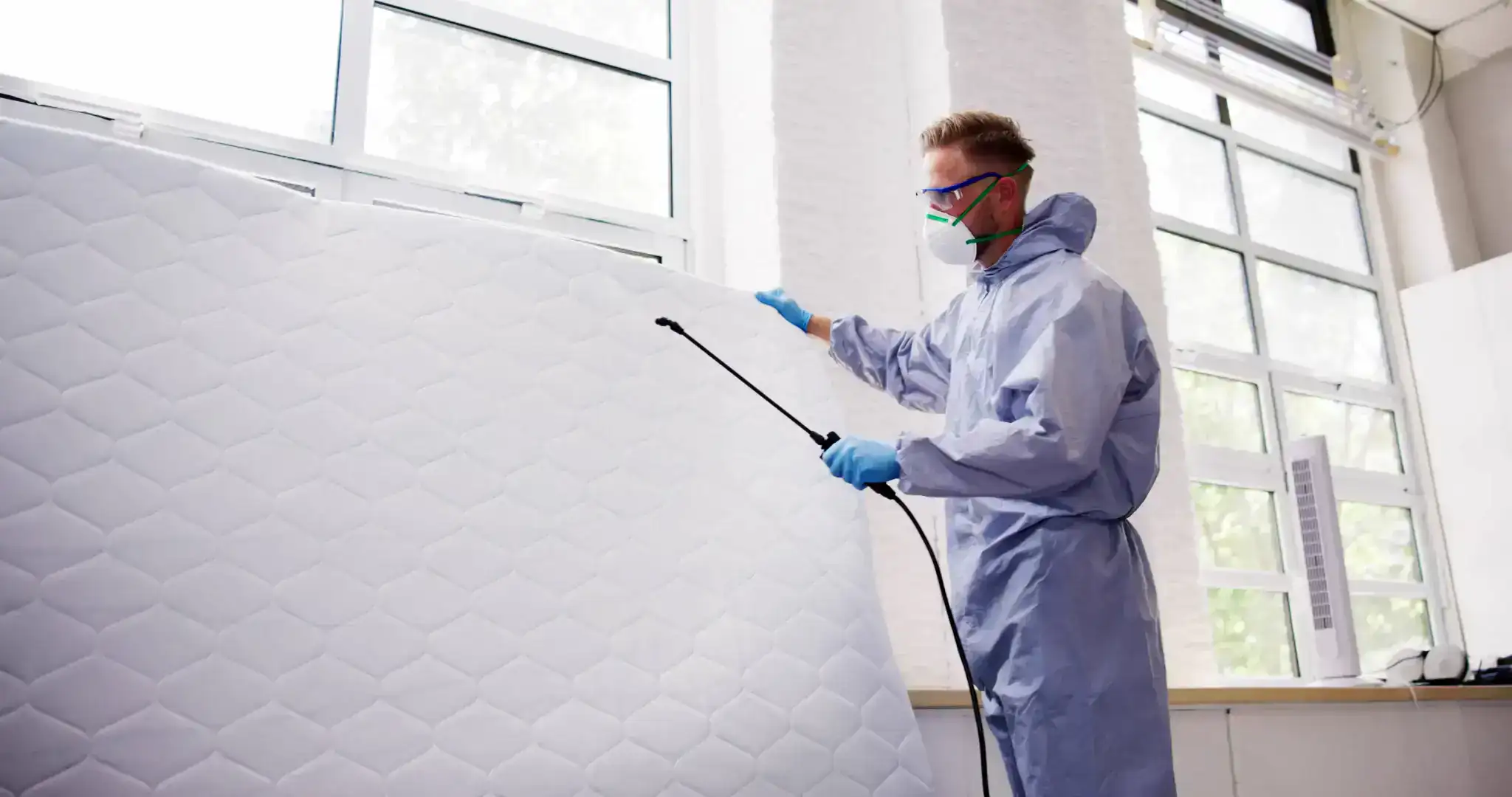
The internet is full of bed bug “remedies” that sound good but don’t actually work. Let’s clear up some of the most common ones so you don’t waste your time and money.
Rubbing alcohol kills bed bugs on contact. That part is true. But it evaporates almost immediately, which means it has no residual effect. Spray it directly on a bug, and yes, it’ll die. Miss the bug by an inch, and you’ve accomplished nothing. It also doesn’t penetrate fabrics or reach bugs hiding deep in furniture. And it’s highly flammable, which makes it dangerous to use in large quantities. The EPA specifically warns against using rubbing alcohol, kerosene, or gasoline for bed bug control because these substances can easily ignite and put your family at risk.
Essential oils like tea tree oil, lavender, and peppermint get recommended constantly. The idea is that bed bugs hate the smell and will avoid treated areas. The reality is that bed bugs will crawl right over these oils if they’re hungry. There’s no scientific evidence that essential oils eliminate bed bug infestations. They might work as a mild deterrent, but deterring bed bugs doesn’t solve your problem—it just moves them somewhere else in your home. You’re not getting rid of them; you’re playing hide and seek.
Dryer sheets are another popular myth. People place them under mattresses, in drawers, and around furniture, thinking the scent repels bed bugs. It doesn’t. Studies have found no evidence that dryer sheets have any effect on bed bug behavior. If anything, they give you false confidence that you’re doing something helpful when you’re not. This is one of those remedies that persists because it’s easy and cheap, not because it works.
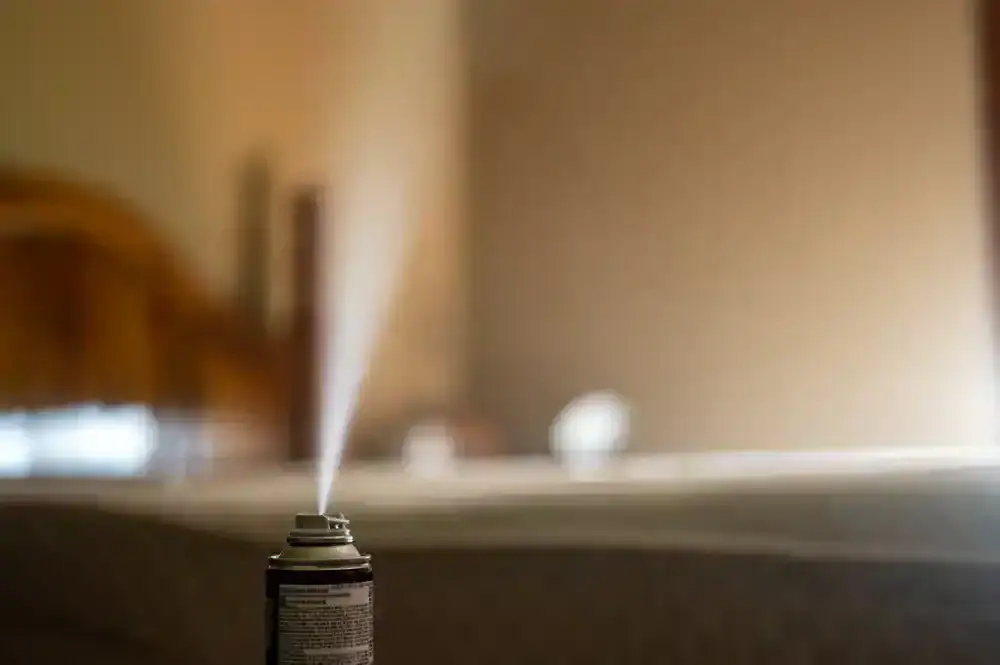
Bug bombs and foggers are particularly problematic. They seem like they should work—you set them off, the whole room fills with insecticide, and everything dies, right? Wrong. Foggers release pesticide into the air, but bed bugs hide in cracks, crevices, and enclosed spaces where the fog can’t reach. The EPA specifically warns that foggers should not be your only method of bed bug control because they simply don’t work for this pest. Worse, improper use can harm your health or cause fires. And because the pesticide doesn’t reach hidden bugs, you’re left with a false sense of security while the infestation continues to grow.
Diatomaceous earth is one of the more effective DIY options, but it’s not a quick fix. This powder damages the waxy coating on a bed bug’s exoskeleton, causing them to dehydrate and die. The problem is it takes weeks to work—sometimes up to two months for complete elimination. It only kills bugs that walk through it, so if you don’t apply it in the right places—and most homeowners don’t—you won’t see results. It’s also messy and needs to be applied carefully to avoid respiratory irritation. When we use it as part of an integrated pest management approach, diatomaceous earth can be effective. But as a standalone DIY solution, it’s slow and often applied incorrectly.
There are situations where DIY methods can help. If you’ve just returned from a trip and want to prevent bed bugs from establishing themselves, washing your clothes on high heat and vacuuming your luggage is smart. If you’ve spotted a single bug and want to act fast while you wait for a professional inspection, vacuuming and sealing your mattress can slow things down. These are reasonable preventative steps that can buy you time.
But here’s where DIY stops making sense: when you’re dealing with an active infestation. Once bed bugs have established themselves in multiple areas of your home, DIY methods can’t keep up. You might kill some bugs, but you won’t eliminate the population. And every day you spend trying DIY solutions is another day the infestation is growing. Bed bugs reproduce too quickly and hide too well for home remedies to be effective once they’ve gained a foothold.
The other problem with DIY is that most people underestimate the scope of the infestation. You see a few bugs in your bedroom and assume that’s where they all are. Meanwhile, they’ve already spread to your living room furniture, your closet, and possibly other bedrooms. By the time you realize DIY isn’t working, the infestation is significantly worse than when you started. What could have been a $500 treatment is now a $2,500 problem.
Professional bed bug treatment costs money up front, but it saves you money in the long run. The national average for professional treatment is $1,000 to $2,500 for an average home. That sounds like a lot until you consider what happens if you don’t treat the problem properly. You’ll spend $100 to $300 on DIY products that don’t work. You might throw away furniture that could have been saved with proper treatment. You’ll lose sleep, deal with ongoing stress, and possibly spread bed bugs to other areas of your home or even to friends and family who visit.
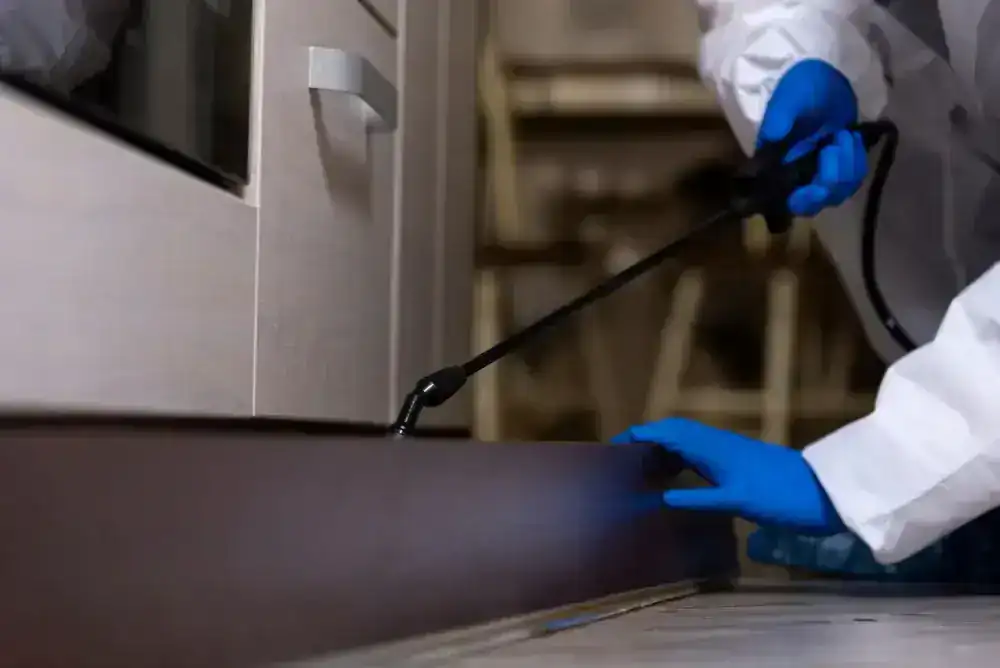
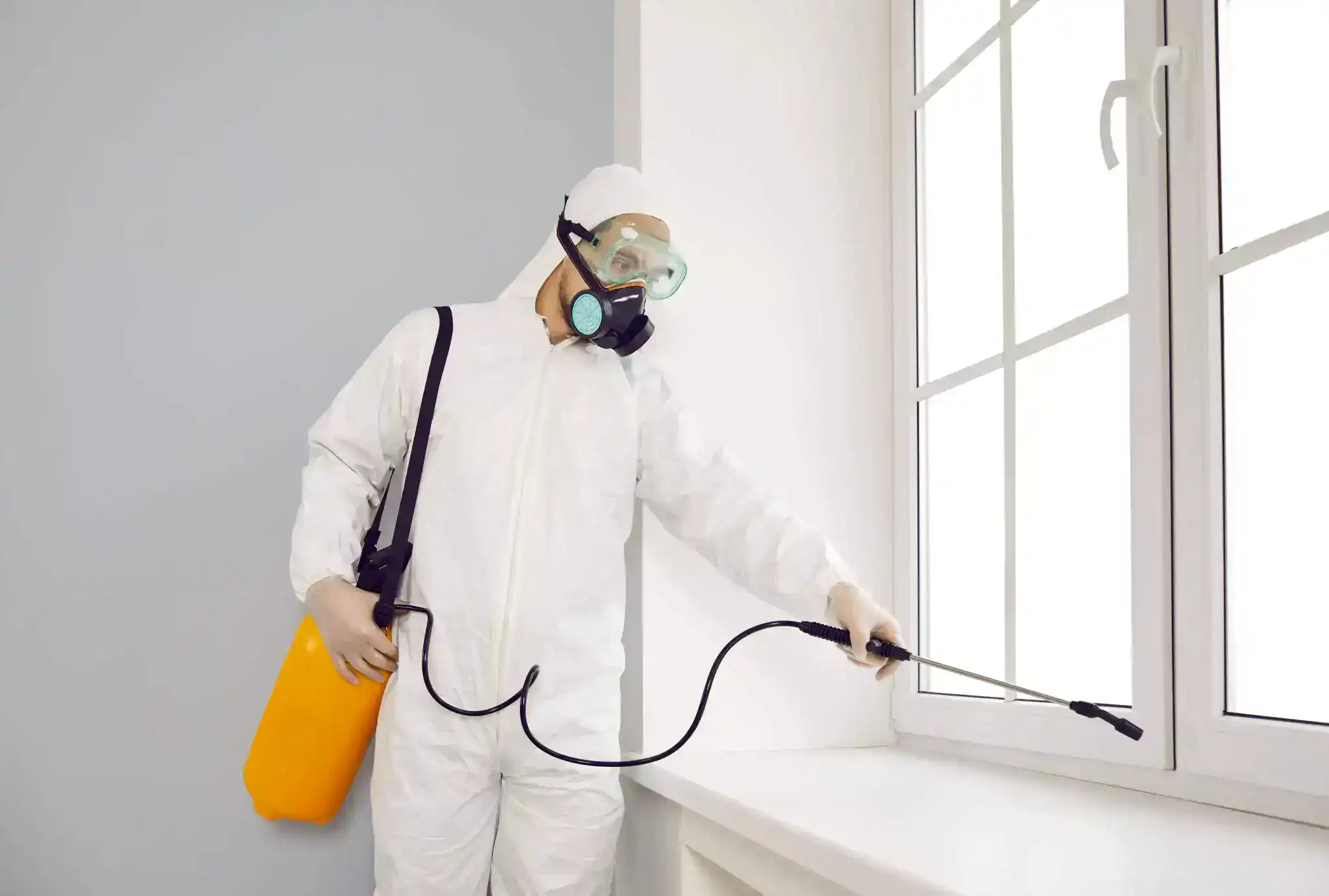
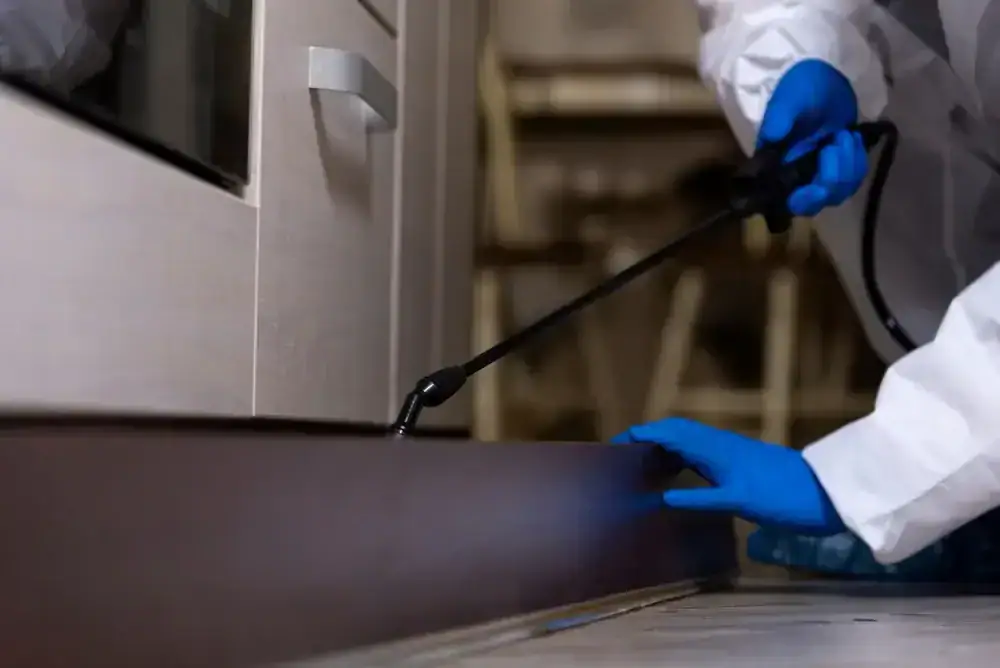
We use methods that DIY can’t match. Heat treatments raise room temperatures to 130-150°F using specialized equipment, killing all life stages of bed bugs in a single treatment. Chemical treatments use EPA-registered products that aren’t available to consumers, applied by trained technicians who know exactly where to target them. Follow-up inspections ensure that any newly hatched bugs are caught before they can reproduce. This comprehensive approach is what actually eliminates infestations rather than just reducing them temporarily.
Our treatments also come with guarantees. At First Choice Pest Control, we stand behind our work. If bed bugs return between scheduled treatments, we come back at no extra charge. That’s not something you get with DIY methods. You’re on your own, and if it doesn’t work, you’re starting over from scratch—often with a worse infestation than you started with.
The truth is, bed bugs are one of the few pests where professional help isn’t optional—it’s the only reliable solution. The sooner you accept that, the sooner you’ll be done dealing with this problem. Michigan homeowners who try DIY first typically spend 2-3 months fighting the problem before calling us. Those who call us immediately are usually bug-free within 2-3 weeks. The math is pretty clear.
DIY bed bug control can help with prevention and small-scale efforts, but it rarely eliminates an established infestation. The bugs hide too well, reproduce too fast, and resist too many over-the-counter products. By the time most people realize DIY isn’t working, they’ve wasted weeks and hundreds of dollars on methods that only made the problem worse.
Professional bed bug treatment uses targeted approaches that actually work—heat treatments, professional-grade insecticides, canine detection for accurate identification, and follow-up visits to ensure complete elimination. It’s faster, more effective, and often less expensive than months of failed DIY attempts. You get your home back, your peace of mind restored, and a guarantee that the problem is actually solved.
If you’re dealing with bed bugs in Genesee County, MI, we’ve been helping local families solve these problems since 2005. With 26 years of experience, canine bed bug detection that’s available from fewer than 100 companies nationwide, and a commitment to doing the job right, we’re here when you’re ready to get your home back. No part-time technicians, no rotating staff—just experienced professionals who know how to eliminate bed bugs permanently.
Article details:
Share:
Continue learning: