In-Depth Guides for Smarter Pest Control Decisions
Not every pest problem requires emergency attention, but knowing when to call for same-day service can protect your family from serious harm.
Share:

Summary:
True emergency pest control involves immediate threats to health, safety, or property. Not every pest sighting requires urgent attention, but certain situations demand professional intervention within hours, not days.
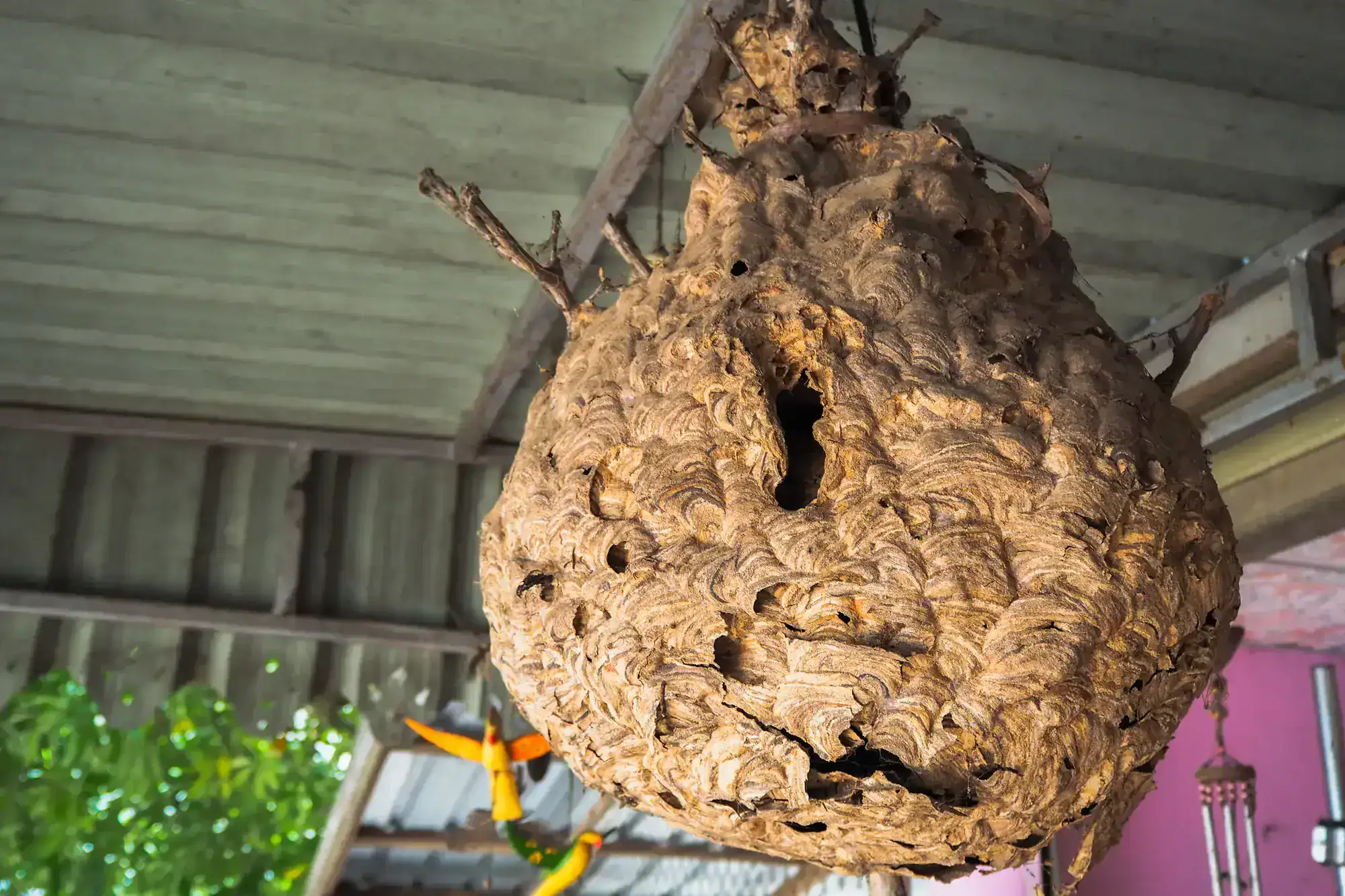
Stinging insects near high-traffic areas top the emergency list. Yellow jackets defending their nest can sting multiple times, and aggressive species attack with little provocation. When nests appear near doorways, play areas, or anywhere people regularly pass, that’s an emergency.
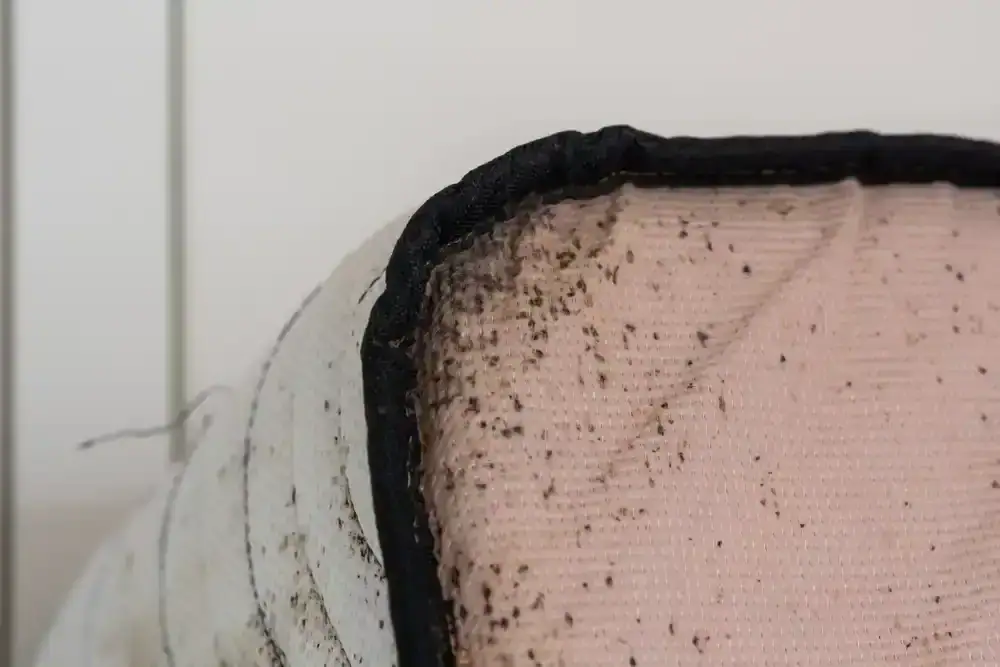
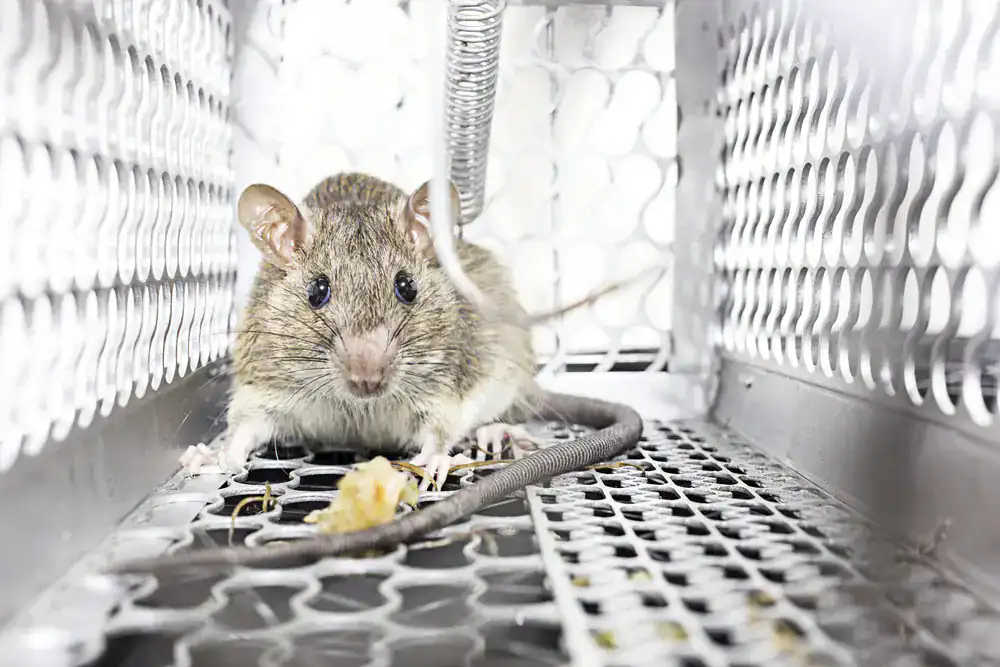
Active rodent contamination in food preparation areas also qualifies. Mice and rats spread disease through droppings and urine, creating immediate health risks in kitchens and pantries.

If you’ve spent any time outdoors in Michigan, you know that yellow jackets can turn a peaceful backyard into a no-go zone fast. Unlike honeybees, which are vital pollinators, they are aggressive social wasps that defend their nests and scavenge for food near people and pets. They don’t lose their stinger after one sting. They can sting multiple times, and they’ll do it with little provocation.
Here in Michigan, queen wasps build their nests in spring. By the end of fall, these colonies reach their maximum size, often housing up to 5000 wasps. This means late summer and early fall present the highest risk for aggressive encounters.
By late summer, yellowjackets switch from feeding their larvae protein like caterpillars to seeking out sugary foods. This change leads to more aggressive encounters around soda cans, compost bins, and picnic tables. They’re actively searching for food sources near your home, which makes defensive responses more likely.
Ground nests pose particular danger because they’re easily disturbed. Ground-nesting yellow jackets are often discovered, sometimes painfully, while mowing the lawn or weeding gardens and flower beds. Vibrations from lawn equipment irritate the wasps and stimulate a defensive response.
Wall voids create another emergency scenario. Buzzing in your drywall is a telltale sign of yellowjackets or hornets nesting in a wall void. These cases almost always require a pro. Delayed treatment can lead to wall damage or insects breaking through into your home.
Professional hornet removal becomes essential because Michigan sees thousands of hospitalizations annually from wasp and hornet stings, making professional removal essential for family safety. The risk multiplies when allergic reactions are involved or when nests are located where people can’t avoid them.
Rodent emergencies center on active contamination in areas where food is prepared or stored. Fresh droppings in kitchens, pantries, or dining areas create immediate health risks that require same-day attention.
Rodents chew through electrical wiring, creating fire hazards. When you discover evidence of chewing on wires or electrical components, that’s an emergency situation requiring immediate professional assessment.
Mice and rats don’t just contaminate surfaces—they spread serious diseases. Salmonella, E. coli, and other pathogens in their droppings and urine can cause severe illness, especially in children and elderly family members. Fresh contamination in food areas demands immediate cleanup and source elimination.
Mice and rats become particularly active in early to mid-fall as they search for warm shelter before winter arrives. These rodents can squeeze through incredibly small openings around foundations, utility lines, and door frames. Once inside, they reproduce rapidly. A pair of mice can produce up to 10 litters per year, with each litter containing 4-8 pups.
The contamination spreads quickly because rodents don’t control their bodily functions. They urinate and defecate continuously as they move through your home, leaving invisible trails of bacteria and parasites on surfaces where you prepare food.
Professional intervention becomes necessary because effective rodent control requires more than just trapping visible mice. Effective rodent control requires more than just trapping or baiting existing mice and rats. We identify and seal entry points around your foundation, utility penetrations, and structural gaps that allow access.
Emergency rodent control also involves immediate sanitation protocols. Professional-grade disinfectants and cleanup procedures are essential to eliminate health risks from contaminated areas. This isn’t something you can handle with household cleaners.
Want live answers?
Connect with a First Choice Pest Control expert for fast, friendly support.
Same-day emergency pest control typically means service within 2-24 hours, depending on the severity and time of your call. True emergencies—like active stinging insect nests near entrances—often receive priority scheduling within hours.
Most of the time, we can send someone out the same day. However, response times depend on several factors. Current service load, technician availability, and geographic location within the service area all play a role.
Most pest control companies prioritize calls based on immediate danger level. Stinging insects near high-traffic areas get faster response than general ant problems, even during busy periods.
Emergency pest control companies use specific criteria to prioritize same-day service calls. Understanding these factors helps you communicate the urgency of your situation effectively.
Immediate physical danger ranks highest. Active yellow jacket nests near doorways, children’s play areas, or anywhere people must regularly pass receive top priority. The presence of allergic family members elevates priority further.
Location of the pest problem within your home affects response timing. Kitchen rodent activity gets faster attention than basement mice because of immediate contamination risks. Similarly, stinging insects inside the house receive priority over outdoor nests in low-traffic areas.
Time of discovery matters too. We’ve had customers wake up one morning with several yellow jackets in their child’s room and call for service the next morning. Indoor stinging insects, especially in bedrooms, demand immediate response because family members can’t avoid the area.
Seasonal factors influence availability. Late summer brings peak stinging insect activity, potentially extending response times during busy periods. However, experienced companies maintain emergency capacity specifically for dangerous situations.
The size and aggressiveness of the pest population also affects prioritization. By the end of fall, these colonies reach their maximum size, often housing up to 5000 wasps. Large, established colonies pose greater immediate danger than smaller infestations.
Professional assessment determines whether your situation truly qualifies for emergency response. Reputable companies won’t charge emergency rates for non-urgent problems, but we also won’t delay when real danger exists.
Understanding what doesn’t constitute emergency pest control helps you set realistic expectations and potentially save money on unnecessary urgent service calls.
General ant trails, while annoying, rarely qualify for same-day service unless they’re contaminating food preparation areas. Ants marching across countertops near food require faster attention than trails along baseboards in living areas.
Spider sightings, even venomous species, typically don’t require emergency response unless someone has been bitten. Multiple dangerous spiders discovered in high-traffic areas might warrant faster attention. Most spider encounters can wait for regular service appointments.
Outdoor stinging insect nests in low-traffic areas often don’t qualify for emergency service. Wasp nests that don’t pose an immediate hazard can be left alone. Wasps vacate their nest in the fall and don’t reuse the same nest the next year. After a couple of hard frosts, the wasps should no longer pose an issue.
Termite discoveries, while serious, rarely require same-day attention. Termites work slowly. Waiting 24-48 hours for proper inspection won’t significantly increase damage. However, extensive structural damage or swarms inside the home might warrant faster response.
Bed bug control discoveries, though distressing, usually don’t qualify for emergency service. Effective bed bug treatment requires careful planning and preparation that can’t be rushed. However, some companies offer expedited scheduling for severe infestations.
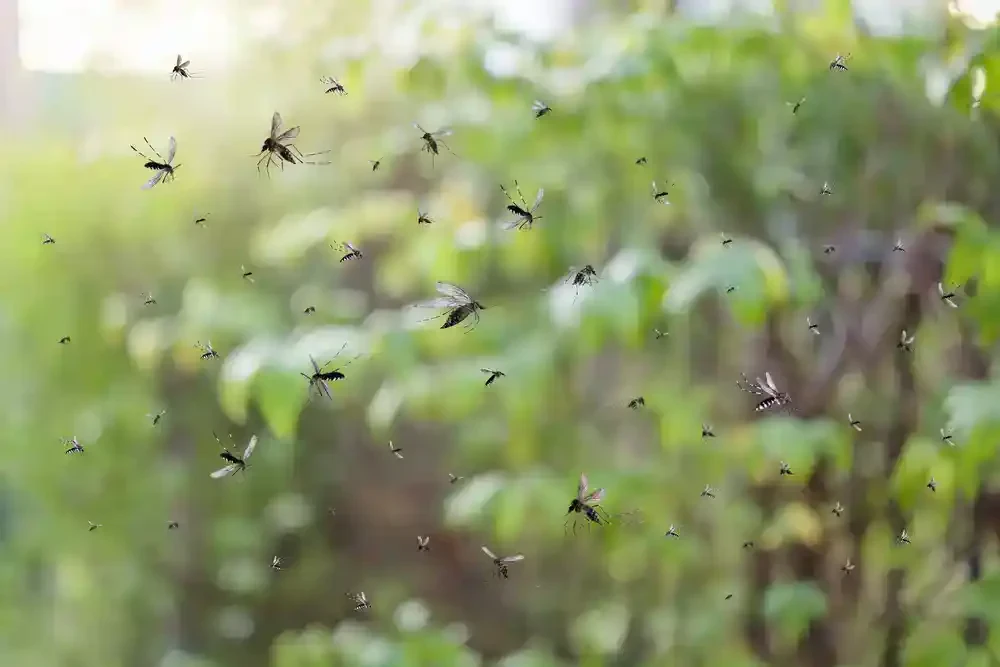
Mosquito problems, while irritating, typically don’t require emergency intervention unless disease transmission is suspected. Outdoor events being immediately threatened might change this priority. Tick control situations follow similar guidelines unless active disease exposure is suspected.
The key distinction is immediate danger versus ongoing annoyance. Emergency pest control addresses situations where delay increases risk to health, safety, or property. Everything else can usually wait for regular service scheduling, often resulting in more thorough and cost-effective treatment.
When you face a true pest emergency in Genesee County, MI or Shiawassee County, MI, quick professional response can prevent serious problems from becoming dangerous situations. Understanding what qualifies as emergency pest control helps you make the right call at the right time.
Remember that same-day exterminator service focuses on immediate threats—stinging insects near high-traffic areas, active rodent contamination in food areas, and situations where delay increases danger. These scenarios require professional expertise and specialized equipment that DIY methods simply can’t match.
For genuine pest emergencies requiring immediate attention, contact First Choice Pest Control. Our experienced team understands Michigan pest patterns and provides the rapid, professional response your family’s safety demands.
Article details:
Share:
Continue learning: