In-Depth Guides for Smarter Pest Control Decisions
Deciding between live trapping and extermination depends on the pest species, Michigan regulations, and your specific situation. Here's what you need to know.
Share:
Summary:
Live trapping captures animals without harming them, then relocates them away from your property. Extermination uses lethal methods—traps, baits, or other techniques—to eliminate pests on site.
The key difference comes down to the animal itself. Wildlife control relies on live trapping and removal for larger animals like raccoons, squirrels, and bats. Pest control uses extermination techniques like spraying and baiting for insects and small rodents that reproduce rapidly.
But here’s what matters more than the method: whether it actually fixes your problem. A trap that removes one raccoon doesn’t help if three more can enter through the same hole next week. Poison that kills visible mice does nothing about the dozens breeding in your walls. The method matters less than whether it includes exclusion—sealing entry points so pests can’t return.

Michigan has strict wildlife protection laws that determine which animals can be killed and under what circumstances. Bats are protected species—you cannot kill them or disturb their roosts. Live exclusion is the only legal option.
Raccoons in your attic, squirrels in your soffit, or possums under your deck require humane removal methods. These animals fall under wildlife control regulations, not pest control. Michigan law often requires licensed professionals to handle these removals because improper trapping can lead to animal cruelty charges.
The regulations changed in 2023. Previously, only woodchucks, skunks, raccoons and coyotes could be killed without a permit when causing property damage. The list now includes beavers, rabbits, squirrels, muskrats, opossums and weasels—but only if they’re actively causing damage to buildings, crops, or infrastructure.
There’s an important catch: live skunks and bats cannot be relocated under Michigan law. Skunks are considered animals of special concern due to rabies risks. If you trap a skunk, it must be released on-site immediately or humanely euthanized by a licensed professional. Bats must be excluded using one-way doors that allow them to leave but not return.
Spring and fall bring additional complications. Many animals look for warm places to nest or raise their young during these seasons. Your attic, chimney, or crawlspace becomes perfect shelter. Wildlife professionals know how to identify signs of nesting and ensure babies aren’t left behind when removing adult animals—something DIY trapping often misses.
Protected species require even more careful handling. Indiana bats, for example, are federally protected. Disturbing their roost—even in your own home—is illegal without proper permits and procedures. This is why working with a licensed wildlife control operator matters. We know which species are protected, what Michigan DNR requires, and how to handle removal legally.
The bottom line: if you’re dealing with mammals larger than mice, check Michigan regulations before taking action. What seems like a simple solution can become a legal problem if you don’t follow the rules.
Some pest problems require extermination, not relocation. Insects and small rodents that reproduce rapidly need immediate, lethal control to prevent infestations from spiraling out of control.
Mice and rats fall into this category. Two mice can produce hundreds within a year. By the time you’re seeing droppings or hearing scratching, you’re already dealing with a breeding population. Live trapping one or two mice does nothing to address the dozens still in your walls. Extermination through strategic trap placement and exclusion work is the only practical solution.
Cockroaches, ants, termites, bed bugs, and other insects require extermination methods. These pests live in colonies, reproduce quickly, and cause significant property damage or health risks if left unchecked. You can’t relocate a termite colony that’s eating your home’s structure. You need targeted treatment that eliminates the infestation at its source.
Rodents also pose disease risks that make extermination necessary. Mice and rats spread hantavirus, salmonella, and other pathogens through their droppings and urine. Their constant gnawing can damage electrical wiring and create fire hazards. The health and safety risks outweigh concerns about humane removal for these species.
Here’s what effective extermination looks like: it’s not just setting traps or spraying chemicals. Professional rodent control identifies every entry point—gaps as small as a dime for mice—and seals them with materials rodents can’t chew through. Traps are placed strategically along travel paths, not randomly around your home. Bait stations go in areas where rodents are active but children and pets can’t access them.
The extermination approach also differs from wildlife removal in how it handles cleanup. Dead rodents must be located and removed to prevent secondary pest problems and odors. Contaminated insulation needs replacement. Droppings require proper sanitation to eliminate disease risks.
Timing matters too. Mice become particularly active in early to mid-fall as they search for warm shelter before winter. Catching the problem early—before they establish nests and breeding sites inside your walls—makes extermination faster and more effective.
One more consideration: some situations need both approaches. A family of raccoons might damage your attic insulation, creating conditions that attract a follow-up mouse infestation. The raccoons need humane removal and exclusion. The mice need extermination. We often handle these layered problems completely with our combined wildlife and pest control expertise.
The key is understanding what you’re dealing with. If you see one cockroach during the day, you likely have dozens more hiding. That’s an extermination situation. If you hear heavy scratching in your attic at dusk, that’s probably a raccoon or squirrel—a live trapping situation. Knowing the difference helps you get the right solution.
Want live answers?
Connect with a First Choice Pest Control expert for fast, friendly support.
The decision between live trapping and extermination starts with identifying what you’re dealing with. The size of the animal, the species, the extent of the problem, and Michigan regulations all play a role.
Start with these questions: Can you see the animal or just evidence of it? How large is it? Where is it getting in? Is there structural damage? How long has this been going on? The answers point you toward the right approach.
Large animals—raccoons, squirrels, bats, skunks, opossums—almost always require live trapping or exclusion methods. These are wildlife control situations, not pest control. Small rodents like mice and rats need extermination combined with exclusion. Insects always need extermination methods.
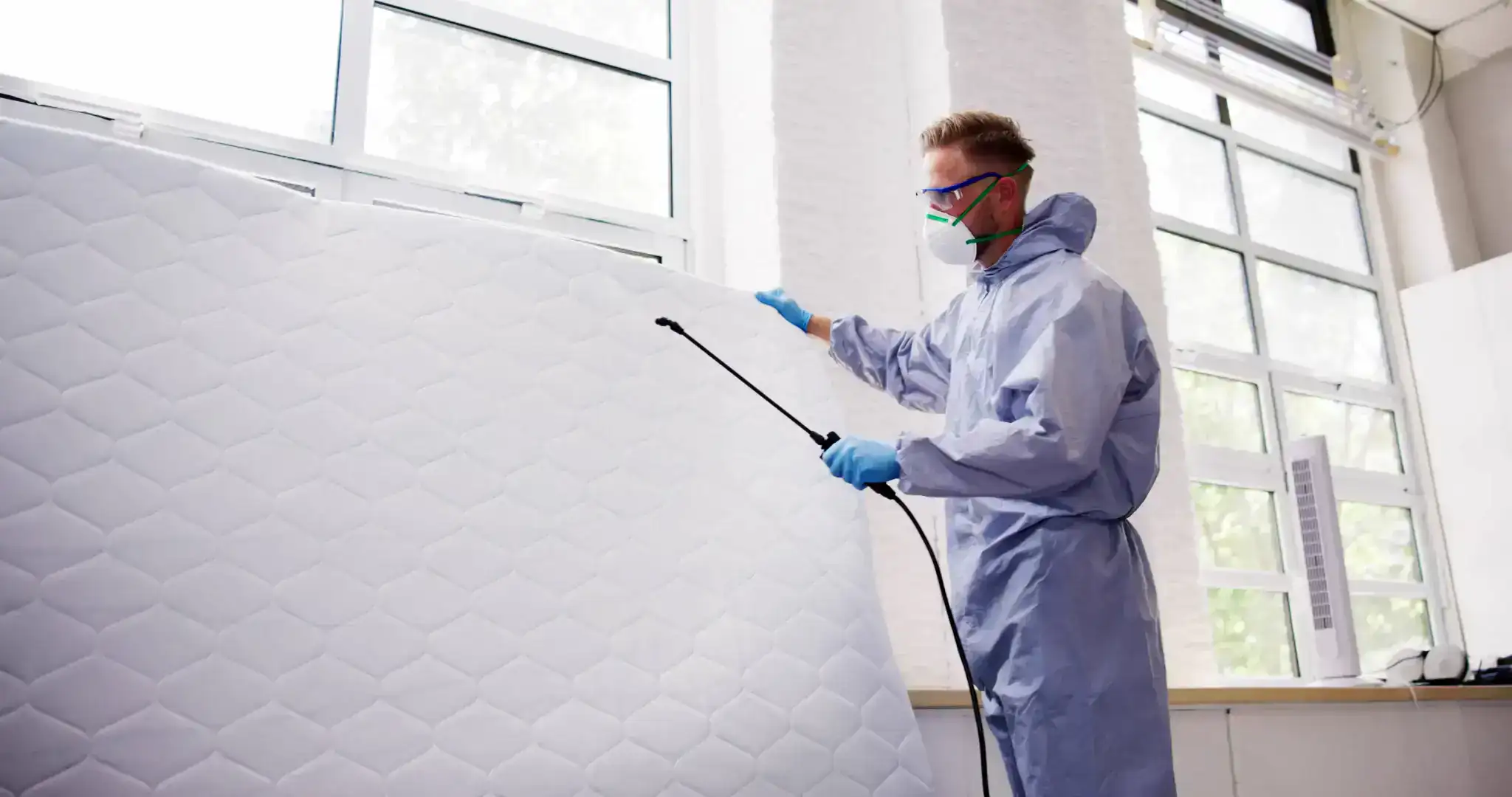
Certain signs indicate you’re dealing with wildlife that requires humane removal. Heavy scratching or thumping sounds in your attic, especially at dawn or dusk, usually mean raccoons or squirrels. These animals are large enough to make noise you can clearly hear.
Visible entry points tell the story too. Torn soffits, damaged roof vents, or holes chewed through siding indicate an animal forced its way in. Raccoons are strong enough to rip off vent covers. Squirrels can chew through wood to create access. These entry points need professional repair after the animal is removed, or more will enter.
Droppings give you clues about size. Raccoon droppings look like small dog feces and often appear in piles called latrines. Squirrel droppings are smaller and scattered. Bat guano accumulates under roost sites and has a distinctive musty odor. The size and pattern of droppings help identify what you’re dealing with.
Nesting materials in your attic—shredded insulation, leaves, twigs—indicate an animal has established a den. This is especially common in spring when animals give birth and raise young. Removing the adult without checking for babies creates a worse problem. Orphaned young will die in your walls, attracting other pests and creating terrible odors.
Damage patterns matter too. Squirrels gnaw on wood beams and electrical wires. Raccoons tear up insulation looking for insects to eat. Bats don’t cause structural damage but leave guano that corrodes wood and creates health hazards. The type of damage tells you what species you’re dealing with and how urgently you need removal.
You might also spot the animal itself. Raccoons sometimes den under decks or in chimneys, and you’ll see them entering or leaving at dusk. Squirrels are active during the day, so you might catch them on your roof. Bats emerge at twilight in groups, flying out from under eaves or through roof gaps.
If any of these signs match your situation, you need wildlife removal, not pest control. The animal is too large to exterminate humanely or legally. Live trapping or exclusion is the appropriate method. A licensed wildlife control operator can identify the species, determine how it’s entering, remove it safely, and seal entry points to prevent future problems.
One warning: don’t attempt wildlife removal yourself. Raccoons can be aggressive, especially mothers protecting young. Bats can carry rabies. Improper handling puts you at risk for bites, disease exposure, and potential legal violations. Professional wildlife control operators have the training, equipment, and licenses to handle these situations safely and legally.
Different signs indicate you’re dealing with a pest infestation that requires extermination methods. Small droppings that look like dark rice grains mean mice. Rats leave larger, capsule-shaped droppings. Both indicate a rodent problem that needs immediate extermination combined with exclusion.
Seeing pests during daylight hours usually signals a significant infestation. Most insects and rodents prefer darkness and only venture out during the day when their hiding places are overcrowded. If you’re spotting cockroaches, ants, or mice during normal daytime activities, you’re dealing with a substantial population that requires professional extermination.
Gnaw marks on food packaging, baseboards, or wires indicate rodent activity. Mice and rats have front teeth that grow continuously, so they gnaw constantly. You’ll find small holes chewed through cardboard boxes, plastic containers, or even drywall. This damage pattern is distinct from the larger holes that raccoons or squirrels create.
Grease marks along walls and baseboards show where rodents travel. Mice and rats follow the same paths repeatedly, leaving dark smudges from the oils in their fur. These runways help us identify high-activity areas for trap placement.
Unusual odors often indicate pest problems. A musty, ammonia-like smell can mean mouse urine in your walls. A sweet, oily odor might indicate cockroaches. A terrible smell that gets worse over time usually means a dead animal in your walls—often a mouse or rat that died after eating bait or getting trapped.
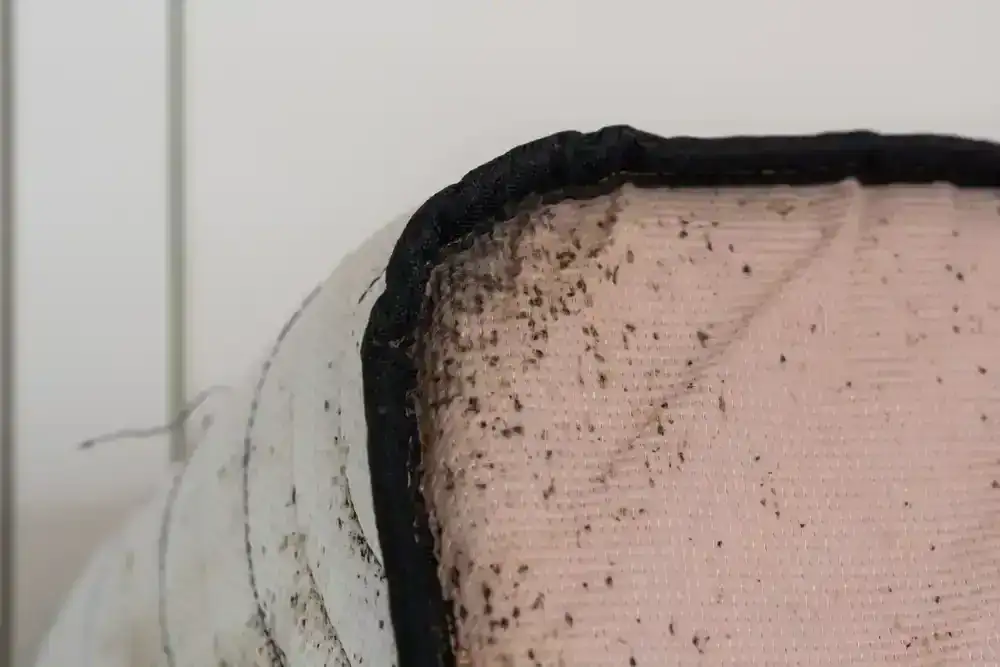
Property damage from pests looks different than wildlife damage. Termites leave mud tubes on foundation walls and hollow-sounding wood. Carpenter ants create piles of sawdust under wood they’re tunneling through. Bed bugs leave small blood spots on sheets and dark fecal stains on mattresses. Each pest creates distinctive damage patterns that help identify what you’re dealing with.
Finding nests or colonies confirms you need extermination. Mouse nests look like balls of shredded paper, fabric, or insulation tucked into wall voids or cabinets. Cockroach egg cases appear in dark, warm areas like under sinks or behind appliances. Ant colonies create visible trails between food sources and their nests.
The reproduction rate of these pests makes extermination necessary. Mice reach sexual maturity in six weeks and can have five to ten litters per year, with five to six young per litter. Cockroaches can produce hundreds of offspring in their lifetime. Bed bugs lay one to five eggs daily. By the time you see evidence of these pests, you’re already dealing with multiple generations that require aggressive treatment.
Health risks also push these situations toward extermination. Rodents spread diseases through their droppings, urine, and parasites. Cockroaches trigger asthma and allergies. Bed bugs cause sleep disruption and psychological stress. The health impact justifies lethal control methods for these species.
If you’re seeing these signs, you need pest control with extermination methods, not wildlife removal. The problem requires different tools, techniques, and expertise than handling larger animals. We use integrated pest management—combining extermination with exclusion and prevention—to eliminate infestations and keep them from returning.
The choice between live trapping and extermination depends on what’s invading your space. Large wildlife needs humane removal and exclusion. Small rodents and insects need extermination combined with entry point sealing. Michigan regulations determine what’s legal for each species.
But here’s what matters more than the method: working with professionals who understand the difference and know how to solve your problem permanently. The wrong approach wastes time and money while pests continue damaging your property.
We’ve handled both wildlife removal and pest extermination across Genesee County, MI and Shiawassee County, MI for 20 years. We understand Michigan’s regulations, know which approach each situation requires, and have the expertise to implement solutions that actually work. If you’re dealing with unwanted animals or pests and need clarity on the right solution, reach out to us for an assessment.
Article details:
Share:
Continue learning: