

In-Depth Guides for Smarter Pest Control Decisions
Michigan homeowners are ditching harsh chemicals for humane pest control that actually works. Here's what's changing in Genesee and Shiawassee Counties—and why it matters.
Share:

Summary:
The old approach to pest control was simple: If it moves, spray it. If it still moves, spray it again with something that glows in the dark.
That playbook is fading fast. Homeowners are realizing that “stronger” isn’t always “smarter.” Ninety-two percent of homeowners are now searching for sustainable solutions. It turns out people prefer their homes to be “pest-free,” not “radioactive.”
Eco-friendly pest control focuses on solving the actual problem instead of just masking it. It’s about being a tactical genius rather than a blunt instrument. By using targeted treatments and exclusion work, we keep the bugs out without turning your living room into a science experiment.
Eco-friendly doesn’t mean “asking the ants nicely to leave.” It means being strategic.
Integrated Pest Management (IPM) is the backbone of modern pest control. It’s like being a bouncer for your house—you check the ID of every gap and crack. You’re not just killing the roaches you see; you’re sealing the “secret tunnels” they use to get in.
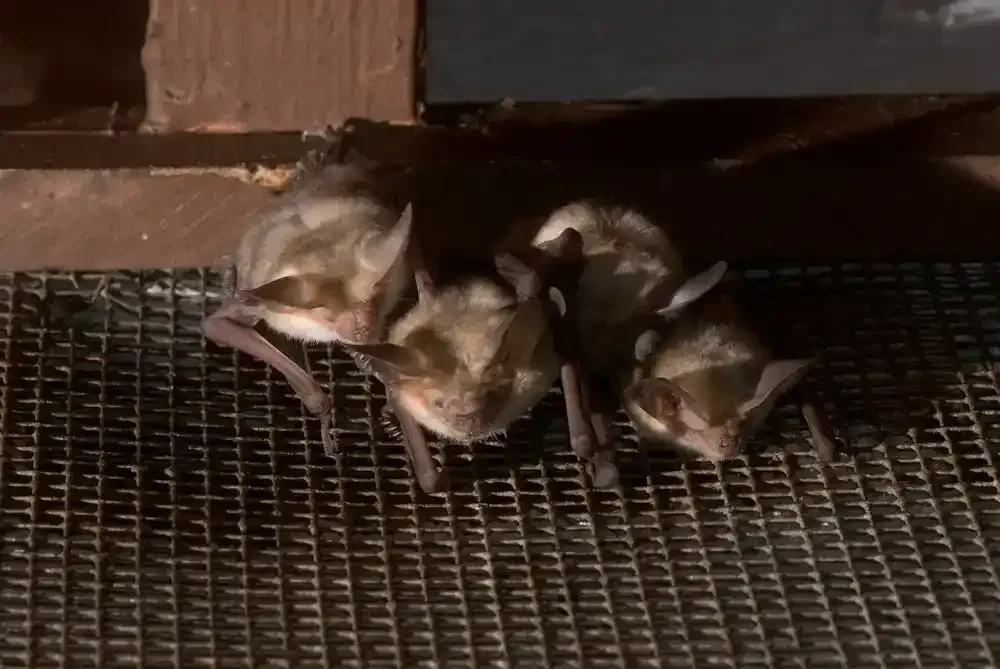
Humane pest control applies this logic to wildlife. Instead of playing a high-stakes game of “The Floor is Poison” with bats, we use exclusion. One-way doors let the bats go out for their nightly snack but prevent them from coming back for a sleepover. The bats get a new outdoor hobby, and you get your attic back. Everybody wins, except maybe the mosquitoes the bats eat.
Botanical-based treatments are also stepping up. Using ingredients like peppermint or neem oil means your house might smell more like a spa and less like a chemical plant. These products are effective against ants and spiders but break down naturally. It’s the “organic kale” of the pest world—good for the environment, bad for the bugs.
Michigan doesn’t have a “pest season.” We have a revolving door of biological surprises.
Spring: Ants emerge, looking for your spilled sugar like kids at a parade.
Summer: Mosquitoes turn your backyard into a blood-donation center.
Fall: The “Great Indoor Migration” begins. Rodents decide your insulation is a luxury duvet.
Winter: Mice squeeze through holes smaller than a dime. If a mouse’s head fits, his ego (and the rest of him) follows.
Genesee County’s lakes are basically luxury resorts for mosquitoes. And those German cockroaches? They love a damp Michigan basement more than a hipster loves a craft brewery.
This is why a “one-and-done” spray doesn’t work. You need a technician who knows that what worked in April won’t stop a mouse in November. Consistency is key. You want the same technician who remembers where the mice hid last year—kind of like a family doctor, but for things with six legs.
Want live answers?
Connect with a First Choice Pest Control expert for fast, friendly support.
Roaches and bed bugs are the two pests that make people want to burn their furniture and move to Mars. We get it.
Both are world-class hiders, both have developed an annoying resistance to store-bought sprays, and both can ruin a perfectly good Friday night. Dealing with them is like fighting a boss in a video game—you need the right strategy or you’re just wasting your “lives” (and money).
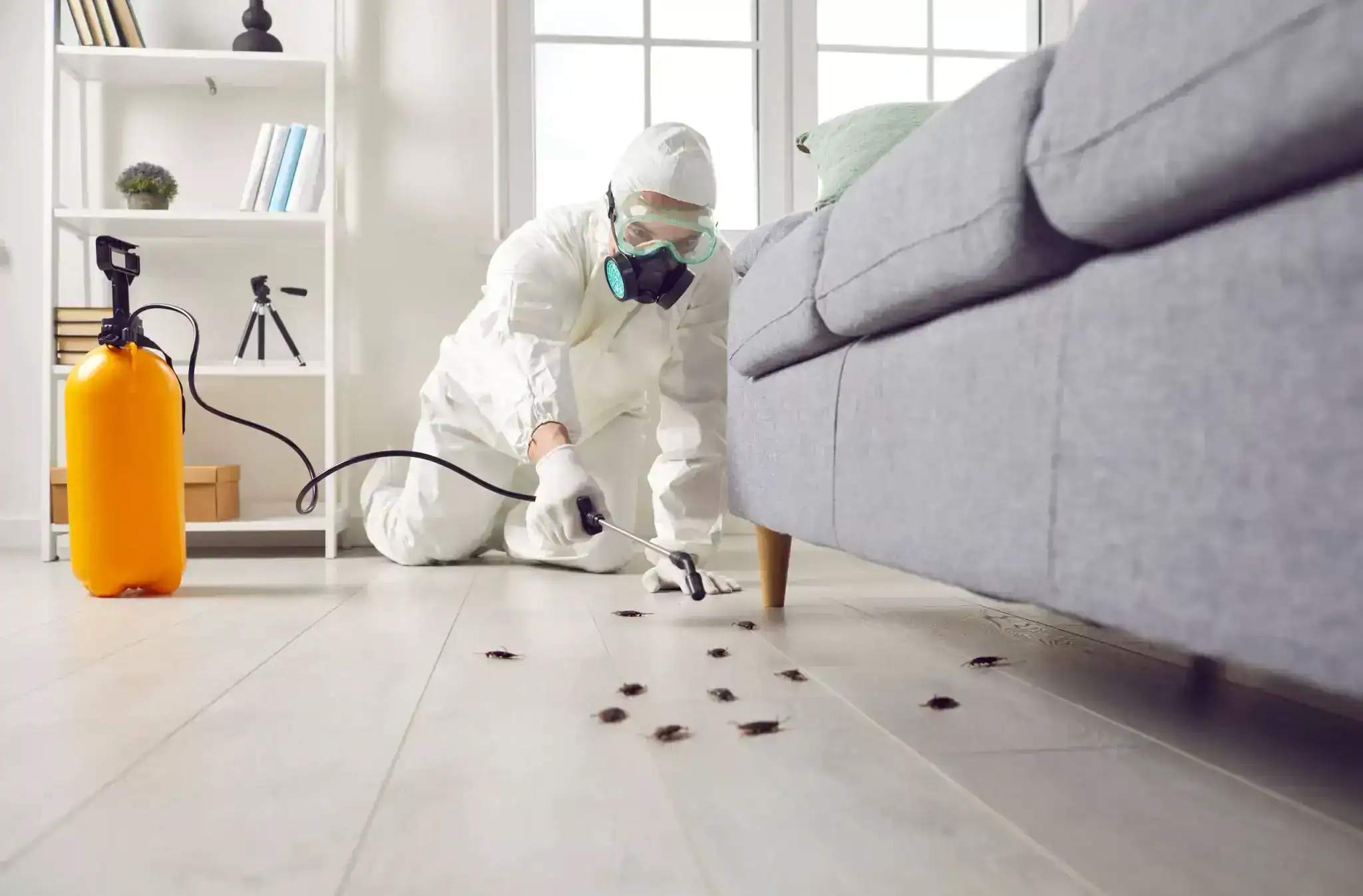
German cockroaches are the overachievers of the pest world. A single female can produce hundreds of offspring in months. They don’t just have families; they have entire civilizations living behind your toaster.
The problem with DIY sprays is that they usually just “scatter” the roaches. You kill ten in the sink, and fifty more move into the living room out of spite. It’s like trying to put out a fire by throwing the wood into another room.
Effective control uses gel baits and growth regulators. We stop them from breeding, which is the “PG-13” way of saying we end the infestation at the source. Sanitation helps, but even the cleanest house can get roaches—they aren’t picky, they just want a warm place to hang out.
Flint recently ranked #21 in the country for bed bugs. That’s one Top 25 list we’d really rather not be on.
Bed bugs are the ultimate hitchhikers, and they’ve become immune to many standard pesticides. Even a pro can miss them because they can hide in an electrical outlet. This is where our four-legged secret weapon comes in.
Trained detection dogs have a 90% accuracy rate, while humans are stuck at about 30%. A human inspector has to tear your bed apart like they’re looking for a lost remote; a dog just walks in, sniffs, and points. It’s not just efficient; it’s basically magic. Plus, the dog never judges you for having crumbs under the bed.
With fewer than 100 companies in the U.S. offering this, it’s a game-changer. It means we only treat where the bugs actually are. No “guessing,” no wasted money, and no more sleeping with one eye open.
Pest control isn’t one-size-fits-all. What works in a Florida condo won’t handle a Michigan farmhouse.
Choosing humane, eco-friendly solutions means you’re looking out for your family and the Great Lakes. Personalized plans, consistent technicians, and “Super-Sniffer” dogs aren’t just fancy extras—they’re how you actually win the war.
We’ve been serving this community for 20 years. We know the pests, we know the weather, and we know that nobody wants a bat as a roommate. If you’re ready to show the pests the door (and lock it behind them), give us a call.
Article details:
Share:
Continue learning:

