In-Depth Guides for Smarter Pest Control Decisions
Modern pest control isn't about generic sprays. Discover how personalized programs, advanced detection, and year-round protection keep Michigan homes pest-free.
Share:
Summary:
Effective pest control starts with understanding that your property isn’t like every other house on the block. Your home’s age, landscaping, proximity to wooded areas, and even your neighborhood’s pest history all influence which pests you’ll face and when they’ll show up.
The companies that just spray and leave don’t bother with this level of detail. They follow the same script at every house, applying the same treatments whether you need them or not. That approach might kill some visible pests, but it doesn’t prevent new ones from moving in next week.
Real protection requires knowing what you’re up against. In Genesee and Shiawassee Counties, Michigan’s four distinct seasons create shifting pest pressures that demand different strategies throughout the year. Spring brings carpenter ants and termites emerging from winter dormancy. Summer heat accelerates mosquito breeding and wasp colony growth. Fall triggers the scramble for shelter as rodents, stink bugs, and boxelder bugs search for warm places to overwinter.
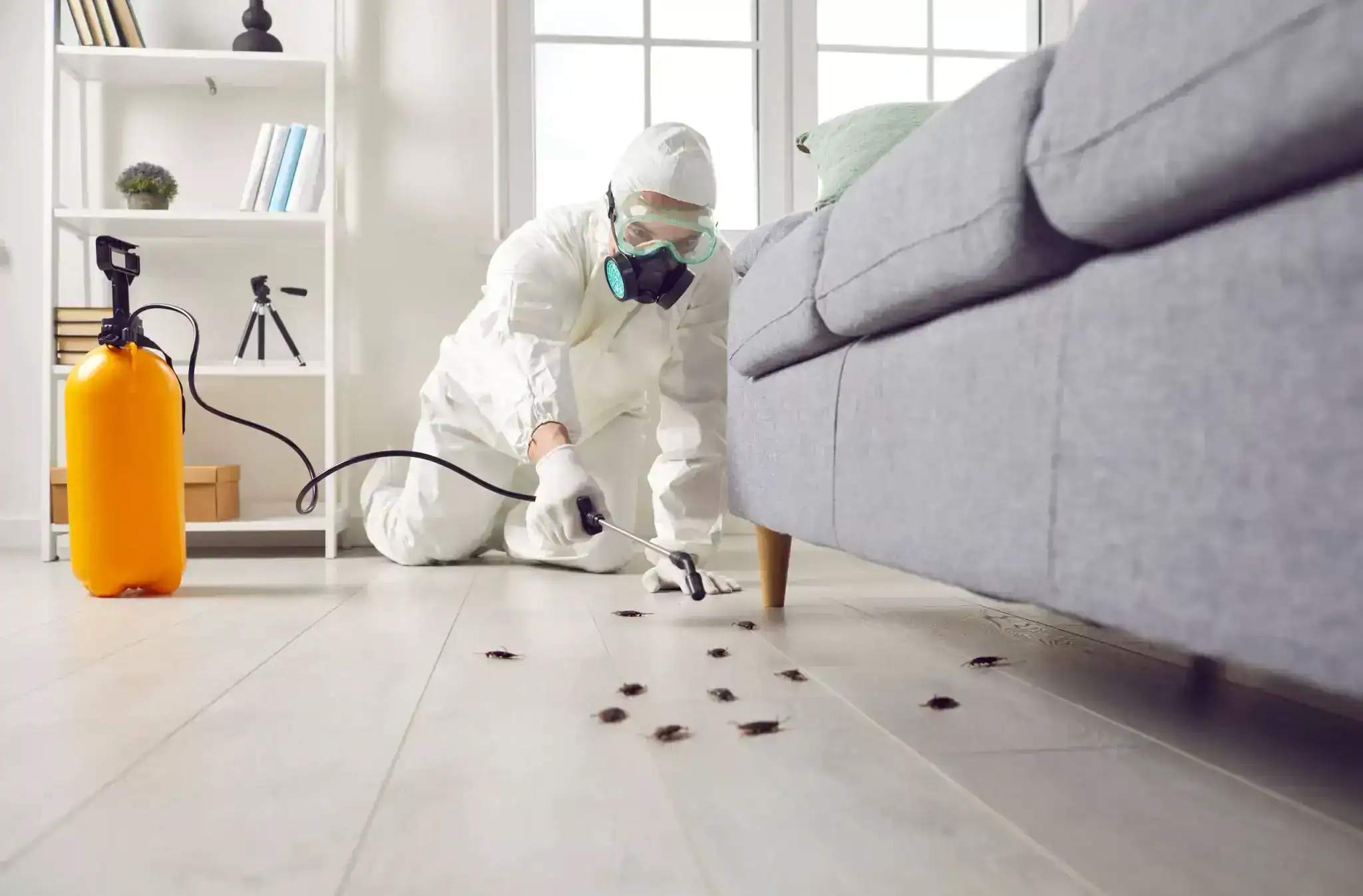
Integrated Pest Management isn’t just a buzzword—it’s a science-based approach that combines multiple strategies to control pests with minimal risk to people, pets, and the environment. Instead of relying solely on chemical treatments, IPM uses biological, cultural, physical, and chemical tools working together for long-term results.
The process starts with inspection and identification. Not every insect in your home requires treatment. Some are harmless, and some actually help control other pests. Accurate identification means you’re only treating actual problems, not wasting time and money on pests that pose no real threat.
Monitoring comes next. IPM programs track pest activity over time, watching for patterns that indicate when populations reach levels that require intervention. This prevents overtreatment while catching problems early when they’re easiest to eliminate.
Prevention forms the foundation. IPM focuses on making your home less attractive to pests by eliminating food sources, removing water, and sealing entry points. When you remove what pests need to survive, you dramatically reduce how many make it inside in the first place.
Control methods in IPM follow a hierarchy. The least-risk options come first—things like exclusion work, habitat modification, and mechanical traps. Chemical treatments are used only when needed, and when they are necessary, we select products and application methods that minimize exposure to people and pets while maximizing effectiveness against target pests.
This layered approach works because it addresses pest problems from multiple angles. Pests that survive one control method get caught by another. The result is better long-term protection with less reliance on chemical treatments, which means a safer environment for your family while still keeping your home pest-free.
Michigan’s climate makes IPM particularly valuable. The dramatic seasonal changes here mean pest pressures shift constantly. An IPM program adapts to these changes, adjusting strategies based on what’s actually happening at your property rather than following a rigid schedule that might not match your needs.
Eco-friendly pest control isn’t about sacrificing effectiveness for safety—it’s about using methods that work better over time while protecting what matters most. The old approach of blanketing your property with harsh chemicals creates problems that show up months or years later.
Chemical resistance is real. Pests exposed to the same synthetic pesticides repeatedly develop tolerance, requiring stronger and stronger treatments to achieve the same results. Bed bugs, cockroaches, and flies have all developed resistance to products that once eliminated them quickly. Natural pest control methods don’t trigger this adaptation because pests can’t develop resistance to botanical pesticides the same way they do to synthetic chemicals.
Your family’s health deserves consideration too. Children and pets spend time on floors, in yards, and in areas where traditional pesticides linger. Eco-friendly solutions use plant-based ingredients and targeted applications that eliminate pests without leaving residues that pose risks to the people and animals you care about.
The environment benefits when we choose methods that protect beneficial insects. Bees, butterflies, and other pollinators play crucial roles in Michigan’s ecosystem. Heavy-handed chemical treatments kill these helpful species along with the pests, disrupting natural balances that actually help keep pest populations in check.
Effectiveness comes from understanding pest biology rather than just poisoning everything in sight. Eco-friendly approaches target specific pest behaviors and vulnerabilities. For example, botanical oils disrupt insect nervous systems on contact while breaking down quickly in the environment instead of persisting in soil and water.
Modern eco-friendly products have come a long way from the ineffective “natural” treatments of decades past. Today’s plant-based pesticides use essential oils from rosemary, thyme, cinnamon, lemongrass, and cloves—ingredients that extensive research has proven effective against target pests without the risks associated with synthetic alternatives.
The key is proper application. Eco-friendly doesn’t mean weak when used correctly by trained professionals who understand pest behavior, product characteristics, and application timing. These treatments flush pests from hiding spots, provide contact kill, and create barriers that prevent reinfestation—all while maintaining safety for your household.
Michigan’s outdoor lifestyle makes eco-friendly pest control especially important. When you’re hosting backyard barbecues, letting kids play in the yard, or just enjoying summer evenings on your deck, you don’t want to worry about pesticide exposure. Treatments that protect your family from pests without creating new health concerns give you real peace of mind.
Want live answers?
Connect with a First Choice Pest Control expert for fast, friendly support.
Michigan’s dramatic seasonal shifts create a year-round parade of pest problems that demand different strategies at different times. Understanding these patterns helps you stay ahead instead of constantly reacting to new invasions.
Spring awakens hungry insects that have been dormant all winter. Carpenter ants and termites become active when temperatures consistently stay above 50 degrees, usually starting in late March or early April. These wood-destroying pests can cause thousands in damage before you notice anything wrong. Early detection and preventative treatments in spring stop colonies before they establish.
Summer brings peak pest activity. Mosquitoes breed in any standing water, completing their life cycle in as little as seven days during Michigan’s hot, humid months. Wasps and hornets build colonies that grow increasingly aggressive as summer progresses. The pests that were manageable in May become serious problems by July and August without proper management.
Fall triggers the scramble for shelter. As temperatures drop, every pest in your neighborhood starts looking for warm places to spend winter. Mice can squeeze through openings as small as a dime. Stink bugs, boxelder bugs, and cluster flies gather on sunny walls before finding ways inside. The homeowners who seal entry points and apply barrier treatments in September and October avoid the winter infestations that plague those who wait.

Spring pest prevention starts with inspection. Walk your property looking for entry points that opened up during winter freeze-thaw cycles. Check foundations, window frames, door seals, and anywhere utilities enter your home. Gaps that seem small to you are highways for ants, spiders, and other crawling insects.
Moisture control becomes critical as spring rains create ideal breeding conditions for pests. Clean gutters so water drains properly instead of pooling near your foundation. Fix leaky outdoor faucets. Eliminate standing water in plant saucers, old tires, clogged drainage areas, and anywhere else water collects. Even a bottle cap full of water can produce dozens of mosquitoes.
Landscaping maintenance reduces pest habitat around your home. Trim shrubs and tree branches away from your house so they don’t create bridges for pests to reach your roof and walls. Keep grass cut and remove yard debris that provides hiding spots for rodents and insects.
Summer pest management shifts to active control. Mosquito populations explode during hot, humid months, making outdoor activities miserable while spreading diseases like West Nile virus. Professional mosquito control targets both adult mosquitoes and breeding sites, creating barriers around outdoor living spaces that let you actually enjoy your yard.
Stinging insects become increasingly aggressive as summer progresses. Wasp and hornet colonies reach peak size by late summer, with thousands of defensive workers protecting their nests. These aren’t pests you want to handle yourself—aggressive species like bald-faced hornets attack with little provocation and can sting repeatedly. Professional removal eliminates entire colonies safely instead of just agitating them.
Ant activity peaks in summer heat. Carpenter ants tunnel through wood structures, creating galleries that weaken your home’s integrity. Pavement ants invade kitchens in huge numbers, contaminating food and making meal prep unpleasant. Effective treatment requires identifying the species, locating colonies, and eliminating them completely rather than just killing the ants you see marching across your counter.
Spider populations grow throughout summer as they feed on the abundance of flying insects. While most Michigan spiders are harmless, nobody wants to walk through webs or find them in living spaces. Reducing other insect populations naturally decreases spider numbers since they go where the food is.
Fall is your most important window for pest prevention. The work you do in September and October determines whether you’ll spend winter dealing with mice in your walls, stink bugs in your bedroom, or cluster flies at your windows.
Exclusion work should happen before temperatures drop below freezing. Seal cracks in your foundation with steel wool and caulk—materials that rodents can’t chew through. Install door sweeps on exterior doors. Add weather stripping around windows. Screen vents and cap chimneys. These physical barriers stop pests from getting inside in the first place.
Perimeter treatments create a protective zone around your home’s exterior. Applied before fall invasions begin, these treatments eliminate pests trying to find entry points and create a barrier that prevents new arrivals from reaching your walls. The timing matters—treatments applied in late September catch pests actively searching for shelter before they’ve already moved inside.
Attic and basement inspections identify problems before they become serious. Look for signs of rodent activity like droppings, gnaw marks, or nesting materials. Check for gaps where pipes and wires enter your home. Inspect stored items for pest damage. Finding problems early makes elimination easier and less expensive.
Winter pest control focuses on monitoring and maintenance. Mice don’t hibernate—they stay active year-round, especially in climate-controlled homes. Regular inspections catch new activity quickly. Bait stations and traps placed strategically along walls and in concealed spaces eliminate rodents before populations grow.
Indoor pest problems often intensify in winter as everything seeks warmth. Cockroaches, silverfish, and other insects that found their way inside during fall continue reproducing throughout cold months. Winter is actually an ideal time for interior treatments since pests are concentrated indoors rather than spread across your property.
Snow and ice create new pest entry points. Freeze-thaw cycles open cracks in foundations and siding. Ice dams cause moisture problems that attract pests. Firewood brought inside can harbor insects and spiders. Staying vigilant during winter prevents problems that show up in spring.
The homeowners who enjoy truly pest-free homes don’t treat each season as a separate problem. They recognize that spring prevention stops summer infestations, summer management prevents fall invasions, and fall preparation determines winter comfort. This year-round approach, combined with professional expertise that understands local pest behavior and seasonal timing, provides the consistent protection Michigan homes need.
Modern pest control isn’t about quick fixes or generic treatments that work the same at every property. It’s about understanding your specific situation, using proven methods that prioritize safety alongside effectiveness, and staying ahead of seasonal pest pressures before small problems become expensive infestations.
The difference between adequate pest control and truly effective protection comes down to expertise, consistency, and personalized attention. You deserve a technician who knows your property, remembers your challenges, and adapts strategies based on what’s actually happening at your home. That’s exactly what we’ve delivered to Genesee and Shiawassee County families for 20 years—personalized programs, the same experienced technician visit after visit, and specialized services like canine bed bug detection that most companies can’t match.
Your home should be your sanctuary, not a battleground against pests you can’t seem to shake. When you’re ready for pest control that combines advanced detection methods, eco-friendly solutions, and the kind of local expertise that only comes from decades of experience in Michigan, we bring all of that to your door.
Article details:
Share:
Continue learning: