
In-Depth Guides for Smarter Pest Control Decisions
Complete guide to detecting bed bug signs and choosing the right elimination method for your Genesee County home.
Share:

Summary:
Bed bugs leave behind several telltale signs, but many Genesee County homeowners miss the early warning signals. The most obvious sign isn’t always bites—some people don’t react to bed bug bites at all.
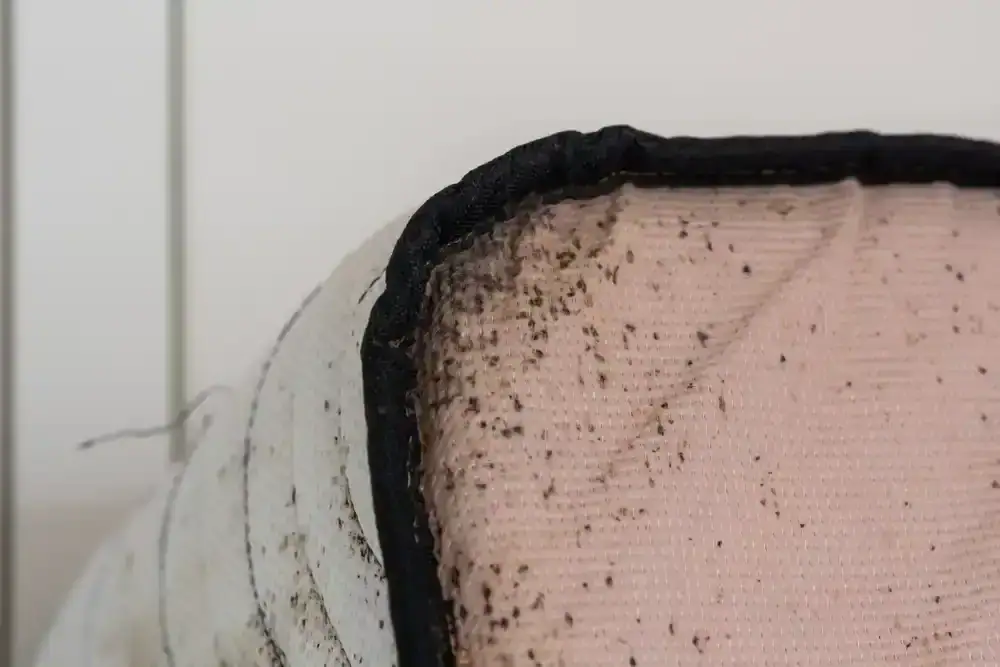
Look for small rust-colored or reddish stains on your sheets and pillowcases. These blood spots appear when bed bugs get crushed while feeding on you during the night.
You’ll also find dark spots about the size of a period scattered around sleeping areas. This bed bug excrement may bleed on fabric like a marker when touched. Check for shed skins and tiny pale yellow eggs about the size of a pinhead tucked into mattress seams and furniture cracks.
Here’s what most people get wrong about bed bug detection—they only check the mattress. Bed bugs are experts at hiding, and despite their name, they don’t just live in beds.
These pests can squeeze into spaces as thin as a credit card. That means any crack, crevice, or fold in your bedroom becomes potential real estate for a growing bed bug population.
Start your search within six feet of where people sleep. Check mattress seams, box springs, bed frames, and headboards first. Pay special attention to the piping, tags, and tufts on mattresses where bed bugs commonly establish their first hiding spots.
But don’t stop there. As infestations progress, bed bugs spread throughout the room and beyond. They hide in upholstered furniture, behind picture frames, inside electrical outlets, and along baseboards. Check behind curtains, in dresser drawers, and even inside electronics like alarm clocks on nightstands.
The key is understanding their behavior. Bed bugs want to stay close to their food source (you) but far enough away to avoid detection. They’re most active between midnight and 5 AM, spending daylight hours tucked away in the darkest, most protected spots they can find.
Use a flashlight and a flat-edged tool like a credit card to inspect small crevices thoroughly. If you find evidence in one area, expand your search immediately—bed bugs rarely stay isolated once an infestation takes hold.
Most people don’t realize bed bugs produce a distinctive odor when infestations become heavy. It’s often described as sweet and musty, similar to wet towels, rust, or overripe berries.
This smell comes from alarm pheromones bed bugs release when disturbed, combined with their excrement and the scent glands they use to communicate. If you notice an unexplained sweet, musty odor in bedrooms—especially near beds or upholstered furniture—you could be dealing with a significant bed bug population.
The odor typically becomes noticeable when you have dozens or hundreds of bed bugs, not just a few stragglers. By the time you can smell them, the infestation has likely been growing for weeks or months. This makes early visual detection even more critical for effective bed bug control.
Some people compare the scent to coriander, almonds, or raspberries gone bad. Others say it smells like a wet dog or moldy clothes. The intensity varies based on the size of the infestation, room ventilation, and your own sensitivity to the smell.
If you detect this odor, especially combined with other signs like unexplained bites or blood spots, you’re likely dealing with an established infestation. At this stage, DIY bed bug elimination methods are unlikely to be effective. The population will continue growing rapidly without professional intervention.
Don’t ignore your nose. Many experienced pest control professionals can actually smell bed bug infestations before they see them, especially in heavily infested homes and apartments.
Want live answers?
Connect with a First Choice Pest Control expert for fast, friendly support.
A proper bed bug inspection requires more than just pulling back your comforter and taking a quick look. You need the right tools, systematic approach, and knowledge of bed bug behavior to find what’s really there.
Gather a flashlight, magnifying glass, disposable gloves, and a flat-edged tool like a credit card before you start. Strip all bedding and check every seam, fold, and crevice on your mattress and box spring methodically.
Work from the head of the bed toward the foot, looking for live bugs, blood spots, dark stains, shed skins, and eggs. Don’t forget the bed frame, headboard, and any furniture within about ten feet of the bed—bed bugs will travel farther than most people expect.
Here’s a sobering fact: visual inspections by untrained individuals only catch about 30% of bed bug infestations. This low success rate happens because bed bugs are incredibly small in early stages and have evolved to be expert hiders.
During their developmental stages, bed bugs can be as small as a sesame seed. Newly hatched bed bugs are nearly translucent, making them almost invisible against light-colored surfaces. Their brown color helps them blend seamlessly with wood furniture, carpet fibers, and fabric seams.
Even when you know what to look for, it’s easy to miss early infestations. Bed bugs instinctively seek out the darkest, most protected hiding spots they can find. They wedge themselves into cracks you might not even notice and can remain motionless for hours when they sense vibration or light.
We use specialized techniques that dramatically improve detection rates. We know exactly where to look based on years of experience and understand bed bug behavior patterns that most homeowners never learn.
The most advanced detection method available uses specially trained dogs that can smell live bed bugs and viable eggs with over 95% accuracy. These detection dogs can find bed bugs behind walls, inside electrical outlets, and in other areas that human inspection simply can’t reach.
Canine bed bug detection teams can inspect an entire room in minutes compared to hours for thorough human visual inspection. The dogs are trained specifically to identify the scent of live bed bugs and viable eggs—not just old evidence from previous infestations or dead bugs.
Only about 100 companies nationwide offer certified canine bed bug detection services. We’re proud to be one of the few companies in Michigan offering this specialized service, giving homeowners access to detection capabilities that would otherwise be impossible to achieve.
Call us immediately if you find any evidence during your inspection. Even one bug or a few suspicious spots means you’re likely dealing with a growing population that will explode rapidly without proper treatment.
Professional inspection becomes essential when you suspect bed bugs but can’t find clear evidence. Many Genesee County residents experience unexplained bites, sleep disruption, or that nagging feeling something’s wrong but can’t locate the source. Our trained technicians or detection dogs can find hidden infestations that visual searches miss completely.
You should also get professional help if you’ve tried DIY detection methods without success but still suspect bed bugs. The stress and anxiety of not knowing whether you have an infestation can be overwhelming. Professional confirmation provides the peace of mind you need to move forward with confidence.
Consider professional inspection if you live in apartments, condos, or other multi-unit housing. Bed bugs spread between units through shared walls, electrical conduits, and plumbing chases. What starts as a small problem in one unit can quickly become a building-wide nightmare if not caught early.
Get immediate professional help if you see bed bugs crawling on walls or furniture during daylight hours. This behavior typically indicates a severe infestation where the bugs are overcrowded and forced to be active when they normally hide. At this point, you’re dealing with a serious problem that requires aggressive treatment.
Professional inspection is also worthwhile after travel, especially if you stayed in hotels, motels, or other accommodations. Many bed bug infestations in Michigan start when people unknowingly bring bugs home in luggage, clothing, or other personal items.
Don’t wait if you’re seeing signs. Early professional intervention saves time, money, and stress compared to letting an infestation establish and spread throughout your home.
Once you’ve confirmed bed bugs in your Genesee County home, you have several elimination options. The method you choose depends on the extent of infestation, your budget, timeline, and family situation.
Heat treatment offers the most effective single-visit solution for bed bug control. Chemical treatments may require multiple visits but can be more cost-effective for smaller infestations. Some situations call for integrated approaches that combine multiple methods.
Understanding what each option can and can’t do helps you make the right choice for your specific situation. Remember—bed bugs didn’t become a nationwide problem because they’re easy to eliminate. Choose your approach carefully, and don’t hesitate to get professional help when you need it.
We’ve been helping Genesee County families deal with bed bug problems since 2005, using both advanced detection methods and proven elimination techniques that get results the first time.
Article details:
Share:
Continue learning: