In-Depth Guides for Smarter Pest Control Decisions
Michigan's mosquito season timing determines treatment success. Professional control timed with local weather patterns delivers maximum yard protection.
Share:

Summary:
Michigan’s mosquito activity follows a predictable pattern that smart homeowners can use to their advantage. Mosquitoes become active when temperatures consistently stay above 50°F, which typically happens in April across our region.
But here’s what most people miss: the real mosquito explosion happens in June. That’s when spring rains create perfect breeding conditions, temperatures stabilize, and the first generation of mosquitoes reaches maturity. By July and August, you’re dealing with peak populations that make outdoor activities miserable.
The key insight? Professional mosquito control works best when it starts before you see the problem, not after you’re already getting bitten.
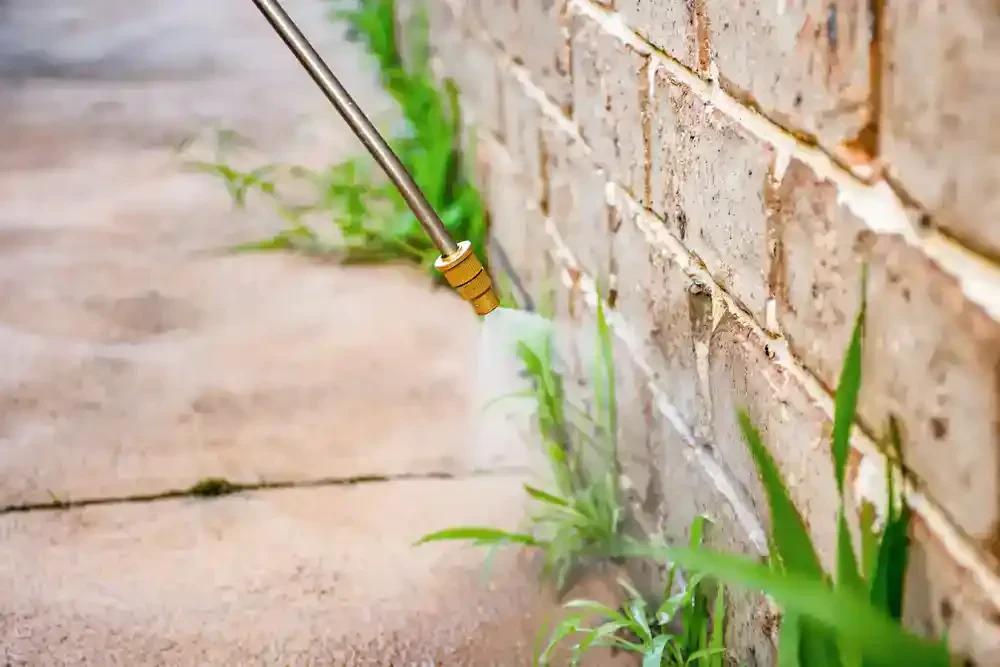
Starting mosquito control in late May or early June isn’t arbitrary timing—it’s strategic. This approach targets the first generation of mosquitoes before they can establish breeding cycles that spiral out of control throughout the summer.
Michigan’s geography works against homeowners when it comes to mosquitoes. Our state has over 50 mosquito species, abundant wetlands, and the kind of standing water conditions that make mosquitoes thrive. Genesee County’s thick vegetation and above-average rainfall create perfect storm conditions for mosquito populations.
Early treatment disrupts this cycle by eliminating adult mosquitoes before they can lay eggs and by targeting the breeding sites where larvae develop. A single inch of standing water can produce hundreds of mosquito larvae, so addressing these sites early prevents the exponential growth that makes summer mosquito control much more challenging.
Professional treatments applied in late spring also take advantage of mosquito behavior patterns. During this time, mosquitoes are concentrated in specific areas and haven’t yet dispersed throughout your entire property. This makes treatments more effective and longer-lasting.
The weather timing matters too. Spring treatments get applied before the heat and humidity of summer create ideal conditions for rapid mosquito reproduction. Once July and August arrive with their hot, sticky weather, you’re fighting an uphill battle against mosquitoes that are breeding faster than treatments can eliminate them.
One-time mosquito treatments might seem cost-effective, but they rarely address the ongoing nature of mosquito problems in Mid-Michigan. Mosquitoes don’t respect property boundaries, and new populations constantly move in from surrounding areas.
Seasonal mosquito control programs work because they maintain consistent pressure on mosquito populations throughout the active season. Professional programs typically involve treatments every 4-6 weeks from late May through September, timed to disrupt multiple generations of mosquitoes.
This approach also accounts for Michigan’s variable weather patterns. A wet spring followed by a hot summer can accelerate mosquito breeding beyond what a single treatment can handle. Regular treatments adapt to these changing conditions and maintain protection even when weather creates ideal mosquito conditions.
The compound effect of seasonal treatments is significant. Each application builds on the previous one, creating a protective barrier that becomes more effective over time. Properties that receive consistent seasonal treatment often see dramatic reductions in mosquito activity compared to untreated neighboring areas.
For homeowners dealing with special events like graduation parties or weddings, seasonal programs provide the flexibility to add targeted treatments before important outdoor gatherings. This ensures your investment in mosquito control pays off when you need it most.
Want live answers?
Connect with a First Choice Pest Control expert for fast, friendly support.
Mosquito-borne diseases aren’t theoretical threats in Michigan—they’re documented realities that affect residents every year. West Nile virus and Eastern Equine Encephalitis cases appear regularly in our state, with risk levels peaking during August and September when mosquito populations are highest.
The timing of mosquito control directly impacts disease prevention. Early treatment reduces the overall mosquito population before disease transmission reaches peak levels. Since it only takes one bite from an infected mosquito to cause serious illness, reducing mosquito encounters throughout the season provides crucial protection.
This is especially important for families with children, elderly relatives, or anyone with compromised immune systems who face higher risks from mosquito-borne illnesses.
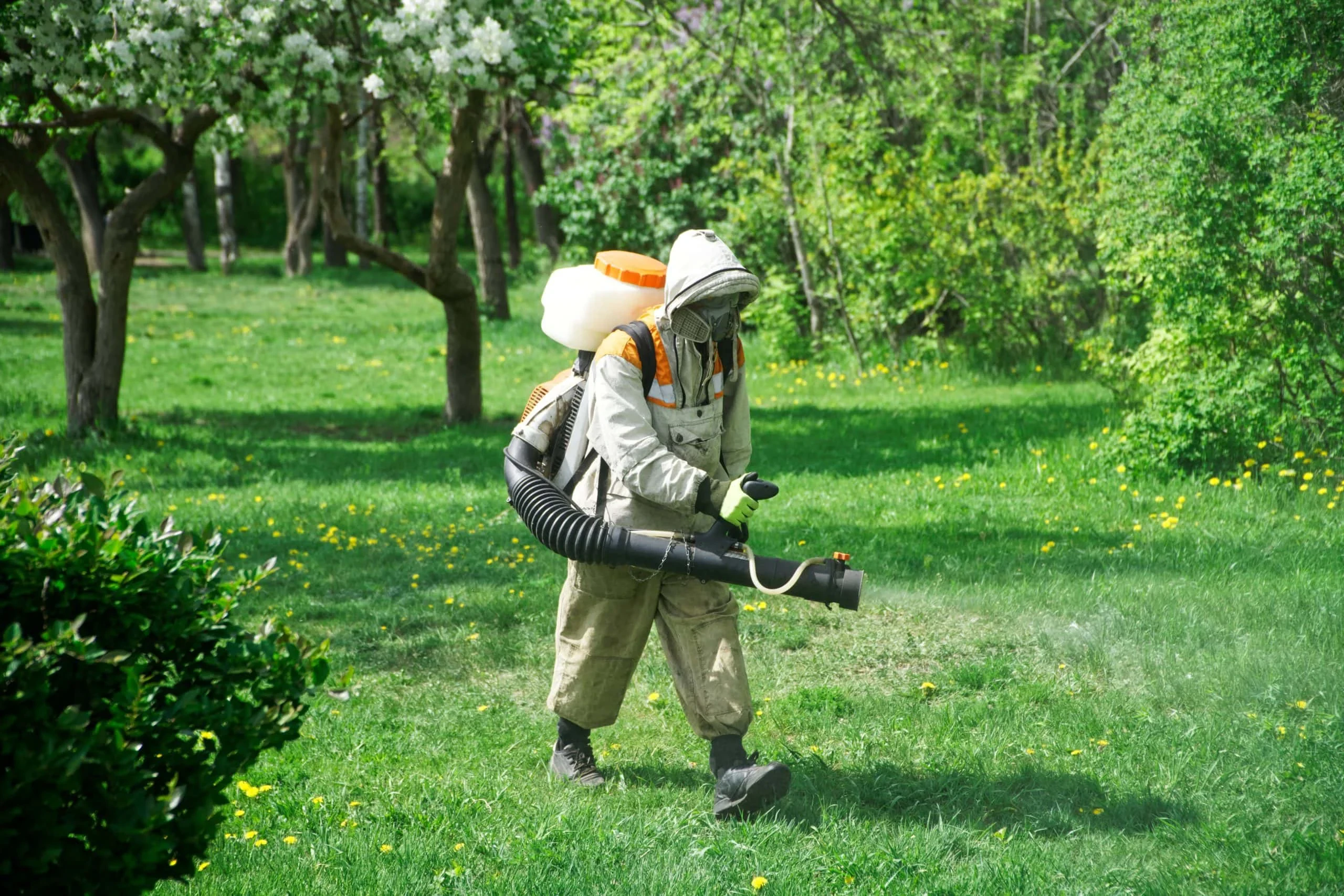
Michigan health officials track mosquito-borne diseases closely, and the data shows consistent patterns that homeowners should understand. West Nile virus has been detected in Michigan since 2001, with cases reported every year. Eastern Equine Encephalitis, while less common, has a 30% fatality rate when it does occur.
In 2024 alone, Michigan reported multiple cases of both diseases in domestic animals, with West Nile virus detected in horses across several counties and Eastern Equine Encephalitis confirmed in horses from various regions. These animal cases serve as early warning indicators for human risk.
Genesee County’s location puts it in a zone where both diseases have been detected in mosquito populations and wildlife. The county’s combination of urban areas, agricultural land, and natural water sources creates ideal conditions for the mosquito species that carry these viruses.
The timing aspect becomes critical when you understand how these diseases spread. Mosquitoes become infected by feeding on birds that carry the viruses. As summer progresses and mosquito populations grow, the chances of encountering an infected mosquito increase significantly.
Professional mosquito control timed for early season provides protection before disease transmission reaches dangerous levels. By reducing overall mosquito populations throughout the season, you dramatically decrease the likelihood of encountering infected mosquitoes.
The geographic factors specific to Mid-Michigan also influence disease risk. Our area’s numerous lakes, rivers, and wetlands provide ideal habitat for the bird species that serve as disease reservoirs. This means mosquito control isn’t just about comfort—it’s about reducing genuine health risks that are documented in our region every year.
Mosquito-borne diseases don’t just affect humans—pets face serious risks too. Heartworm disease in dogs and cats is transmitted by mosquitoes and can be fatal if left untreated. The same mosquito populations that threaten human health create ongoing risks for family pets throughout the active season.
Children face particular vulnerabilities to mosquito-borne illnesses. Their developing immune systems may not respond as effectively to infections, and they typically spend more time outdoors during peak mosquito activity hours. Young children also have difficulty consistently applying and reapplying repellents that provide personal protection.
The elderly and individuals with compromised immune systems represent another high-risk group. For these family members, even mild mosquito-borne illnesses can lead to serious complications. Professional mosquito control provides a protective environment that reduces their exposure to disease-carrying mosquitoes.
Timing mosquito control to start before peak disease transmission season means your family and pets are protected throughout the highest-risk months. This is particularly important in Mid-Michigan, where mosquito season extends from April through October, with disease risk peaking in late summer.
Professional treatments also address the reality that personal protection measures have limitations. Repellents wear off, children forget to reapply them, and pets can’t use most human mosquito repellents safely. Property-wide mosquito control provides a foundation of protection that doesn’t rely on perfect compliance with personal protection measures.
The peace of mind factor shouldn’t be underestimated either. Knowing your property has professional mosquito protection allows families to enjoy outdoor activities without constantly worrying about disease exposure. This is especially valuable for families with young children who want to play outside or elderly relatives who enjoy spending time in the yard.
Effective mosquito control in Mid-Michigan comes down to timing, consistency, and understanding local conditions. Starting treatments in late May or early June, maintaining them throughout the season, and working with professionals who understand Michigan’s unique mosquito challenges gives you the best chance of reclaiming your outdoor space.
The health risks, comfort issues, and outdoor activity disruptions caused by mosquitoes are all preventable with properly timed professional treatment. Your family deserves to enjoy Michigan’s beautiful summer weather without constantly battling mosquitoes or worrying about disease exposure.
When you’re ready to take control of mosquito problems on your property, we’ve been helping Genesee County families enjoy their yards since 2005. Our seasonal programs start at the right time and provide the consistent protection that makes outdoor living enjoyable again.
Article details:
Share:
Continue learning: