The Complete Guide to Rodent Control: How to Keep Mice and Rats Out of Your Michigan Home for Good
Michigan's harsh winters drive mice and rats indoors. Discover how to identify rodent problems early, seal entry points effectively, and protect your home year-round.
Share:
Summary:
Rodent infestations in Michigan homes aren’t just a winter problem—they’re a year-round threat that escalates when temperatures drop. This guide walks you through identifying early warning signs like droppings and gnaw marks, understanding why Michigan’s climate makes your home a target, and implementing proven rodent control methods that actually work.
You’ll learn the difference between temporary fixes and permanent solutions, discover where rodents are entering your home, and understand when DIY efforts fall short. Regardless of if you’re hearing scratching in your walls or want to prevent problems before they start, this comprehensive resource gives you the knowledge to protect your Genesee County or Shiawassee County home from mice and rats. Think of it as a “no-vacancy” sign for furry trespassers.
Table of contents
That scratching sound in your walls isn’t a ghost, and it definitely isn’t the house “settling.” Neither are those droppings you found behind the stove—spoiler alert: those aren’t chocolate sprinkles. If you’re dealing with mice or rats in your Genesee County, MI or Shiawassee County, MI home, you already know how quickly a small problem becomes a 2 a.m. panic attack.
Michigan’s climate doesn’t just make winters brutal for us; it drives rodents straight into our homes looking for a heated “Airbnb” with a free pantry. This guide breaks down exactly what you’re dealing with, why it’s happening, and what actually works to eliminate rodents and keep them out for good. Let’s start with understanding why your house is currently the most popular club in town for critters.
Why Michigan Homes Face Constant Rodent Pressure
Michigan homeowners face rodent pressure that residents in Florida never experience. Our seasonal extremes create perfect conditions for mice and rats to target your property. In the South, pests just want a tan; in Michigan, they’re fighting for their lives against a polar vortex.
Fall brings the biggest rodent invasion. As temperatures drop, mice and rats aren’t just looking for warmth; they’re looking for survival. Your home offers a consistent 70°F, plenty of snacks, and zero hawks. Winter doesn’t stop them—it just makes them roommates. A few droppings in October can signal the beginning of a winter-long residency. By February, you aren’t just dealing with a mouse; you’re dealing with three generations of a family that has better health insurance than you do.
Common Entry Points Mice and Rats Use to Get Inside
Mice can squeeze through openings as small as a dime. Rats need only a quarter. Basically, if you can fit a coin through a gap, a rodent is currently using it as a front door. They have collapsible skeletons that make them the “Houdinis” of the animal kingdom.
The Hidden Costs of Rodent Damage in Your Home
Rodents’ teeth never stop growing, which is a design flaw for your drywall. They gnaw through wood, plastic, and even mild steel just to keep their teeth from growing into their own brains. It’s like they have a built-in power tool and a very bad attitude.
The biggest danger? Chewed electrical wires. Rodents are responsible for a shocking 25 to 30 percent of house fires with “undetermined” causes. They also love your insulation. They tunnel through it, effectively turning your expensive attic insulation into a “Swiss cheese” model that drives up your heating bills.
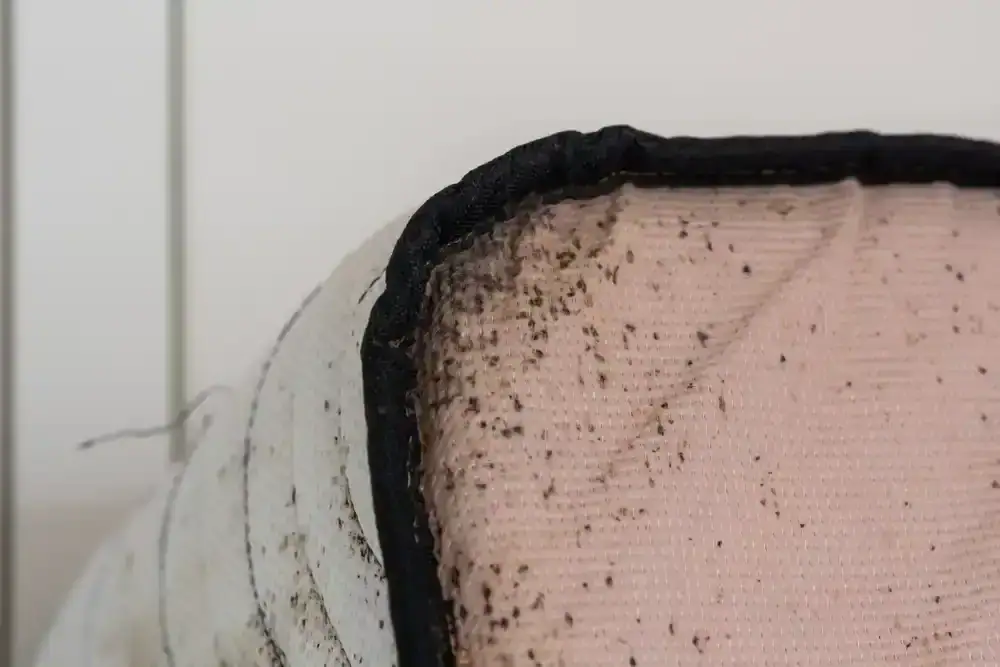
Then there’s the contamination. A single mouse produces 50 to 75 droppings a day. In the pest control world, we call that “volume.” In your kitchen, we call that a health code violation. From Hantavirus to Salmonellosis, these aren’t just “cute” visitors—they’re tiny, furry biohazards.
Want live answers?
Connect with a First Choice Pest Control expert for fast, friendly support.
Most people don’t realize they have a problem until a mouse literally runs across their foot during a Netflix binge. Rodents are nocturnal, so if you see one during the day, it’s not because he’s a “day person”—it’s because his hiding spot is so overcrowded he got kicked out.
What Those Scratching Sounds Really Mean
Scratching in the walls at 1 a.m. is the classic sign of active rodent movement. They aren’t just wandering; they’re working.
Scratching: This is usually gnawing. They’re making “renovations” to your studs.
Scurrying: That’s the sound of a rodent “commute” along your floor joists.
Squeaking: That’s rodent social hour. If you hear squeaking, you have a nest—and probably some pups.
Your pets are often your best early warning system. If your cat is staring at a blank wall like it’s a cinema screen, it’s probably not seeing ghosts—it’s hearing lunch.
Why DIY Rodent Control Rarely Solves the Problem
Store-bought traps are fine for a single rogue mouse, but they address the symptom, not the system. If you don’t seal the entry points, you’re just playing a very frustrating game of “Whack-a-Mouse.”
The Poison Problem: Poison is a risky bet. Rodents don’t “go outside to find water” before they die—that’s a myth. They usually die exactly where you can’t reach them, like deep inside a wall. A dead mouse in a wall void in July is a smell that will haunt your dreams (and your nostrils) for weeks. Furthermore, poison presents a massive risk to your pets. If your dog eats a “poisoned” mouse, you’re looking at a very expensive emergency vet bill. Professional exclusion—actually sealing the holes with steel wool and metal flashing—is the only way to get a permanent win. You want to be a “Bouncer,” not just a “Janitor.”
Getting Rid of Rodents and Keeping Them Out
Rodent control in Michigan requires a “Sherlock Holmes” approach. You have to find every gap, understand the behavior, and implement a plan that doesn’t just kill the current residents but prevents the next ones from moving in.
Your home should be a sanctuary, not a buffet for rodents. When you’re ready to stop the scratching and start the sleeping, we bring 20 years of experience to the table. We’ve seen it all, from rats in the rafters to mice in the microwave.