
In-Depth Guides for Smarter Pest Control Decisions
Confused about heat vs chemical bed bug treatment? We break down the real costs, effectiveness, and disruption of each method to help you choose what works.
Share:
Summary:
Heat treatment raises your home’s temperature to levels that kill bed bugs at every life stage. Professional equipment heats affected rooms to 120-140°F and maintains that temperature for several hours.
The process targets bed bugs wherever they hide—inside mattresses, behind baseboards, in electrical outlets, and deep within furniture cracks. Unlike chemical sprays that need direct contact, heat penetrates everywhere air can reach.
Most heat treatments take 6-8 hours to complete. You’ll need to remove heat-sensitive items like candles, medications, and electronics before treatment begins.
Heat treatment sounds foolproof in theory, but practical challenges can undermine its effectiveness. The biggest issue is achieving lethal temperatures in every single hiding spot throughout your home.
Bed bugs instinctively flee from heat, burrowing deeper into wall voids, furniture joints, and structural gaps as temperatures rise. If any area doesn’t reach the required 120°F for the full treatment duration, surviving bugs can rebuild the population within weeks.
Wall voids present particular challenges. Heat struggles to penetrate these spaces evenly, especially in older homes with irregular construction. Thick furniture, dense carpeting, and insulation can create temperature variations that allow bed bugs to survive.
Equipment limitations also matter. Heating an entire home requires significant power and proper air circulation. Some properties simply can’t achieve uniform heat distribution due to their layout, age, or construction materials.
Weather conditions affect treatment success too. Extremely cold outdoor temperatures make it harder to maintain interior heat levels, while humid conditions can interfere with the heating process.
That’s why many heat treatment companies also apply chemical treatments during the heating process. Pure heat treatment alone often isn’t sufficient for complete elimination, especially in severe infestations or challenging property layouts.
Heat treatment typically costs $1,000-$3,000 for most homes, significantly more than chemical alternatives. The high cost reflects specialized equipment, extended treatment time, and the expertise required to execute it properly.
You’ll need to vacate your home for the entire treatment day, which can disrupt work schedules and require temporary accommodations. Pets must be relocated, and many household items need removal or protection.
The process can damage heat-sensitive belongings. Window seals, refrigerator gaskets, vinyl components, and some electronics may suffer damage from prolonged high temperatures. Some insurance policies don’t cover this type of damage.
Preparation requirements are extensive. You’ll spend considerable time removing items, preparing the space, and coordinating the logistics. This preparation often takes longer than the actual treatment.
Despite the higher cost and disruption, heat treatment doesn’t provide residual protection. Once temperatures return to normal, your home has no ongoing defense against new bed bugs that might be introduced through luggage, visitors, or neighboring units.
For apartment dwellers, heat treatment creates additional complications. Neighboring units may need treatment simultaneously to prevent bed bugs from simply moving next door during the heating process, multiplying costs and coordination challenges.
Want live answers?
Connect with a First Choice Pest Control expert for fast, friendly support.
Chemical bed bug treatment uses targeted insecticides applied to areas where bed bugs hide and travel. Modern treatments combine multiple product types: contact killers for immediate results, residual treatments for ongoing protection, and specialized formulations for eggs and resistant populations.
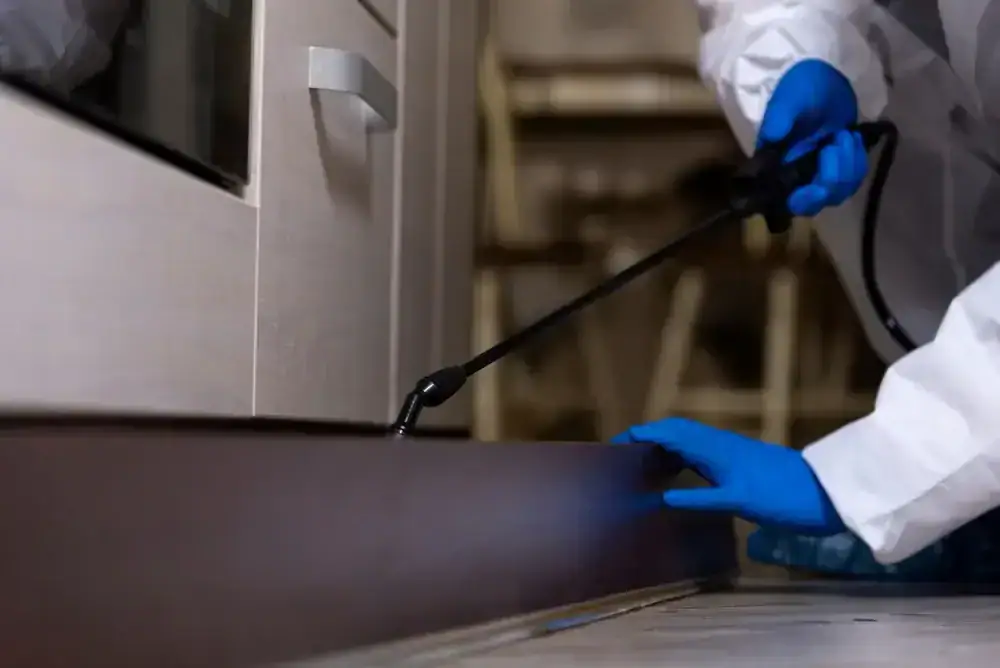
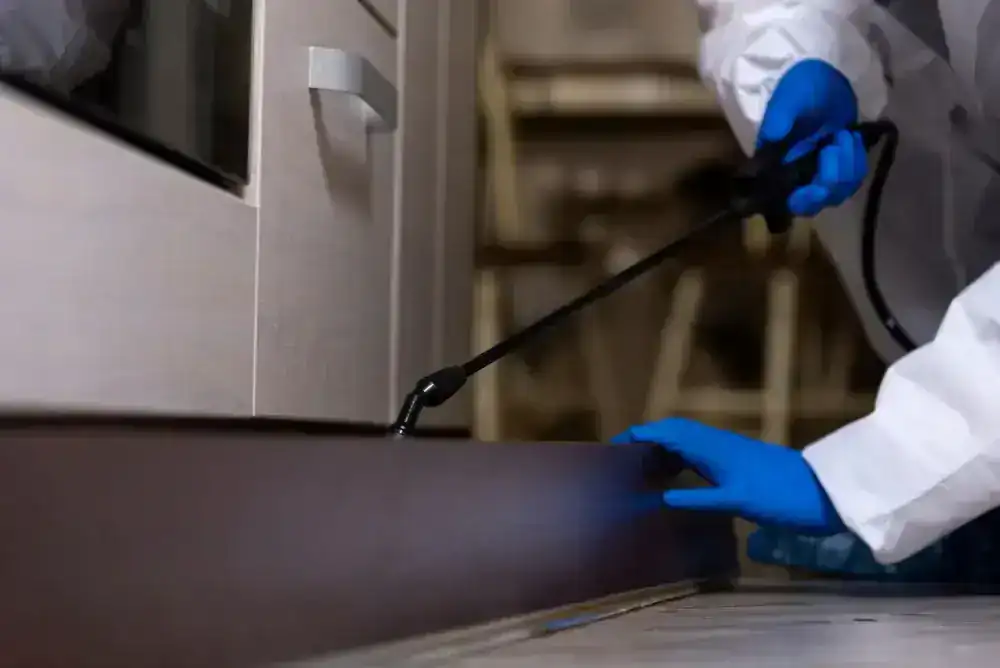
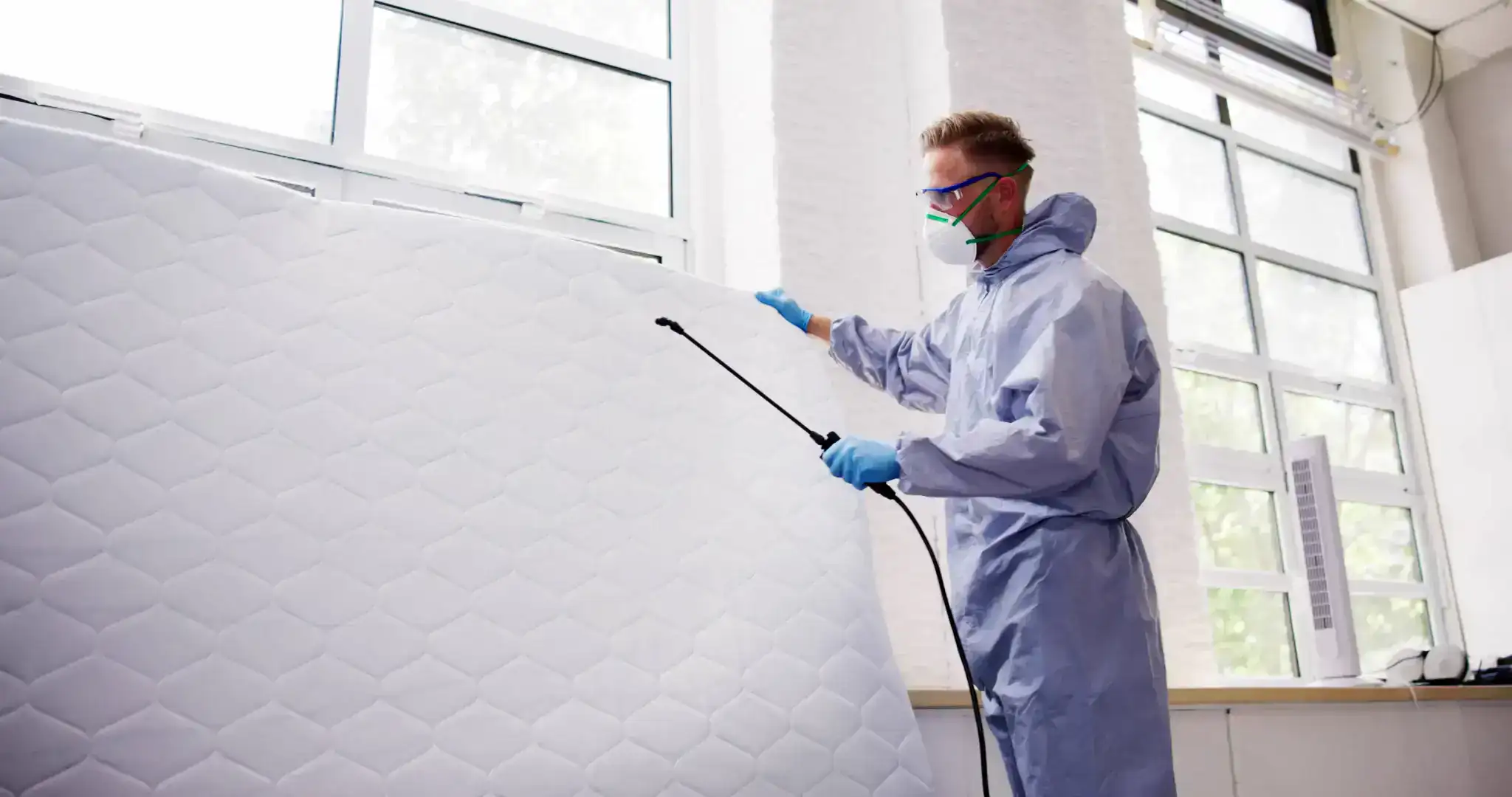
We identify harborage areas through thorough inspection, then apply treatments strategically. This includes mattress seams, bed frames, baseboards, electrical outlets, and furniture joints where bed bugs commonly hide.
The process typically requires 2-3 visits spaced weeks apart to catch newly hatched bed bugs before they can reproduce. Each visit involves inspection, targeted treatment, and monitoring for ongoing activity.
Chemical treatments create lasting barriers that continue working long after application. Residual insecticides remain active for weeks or months, killing bed bugs that contact treated surfaces during their normal movement and feeding patterns.
This ongoing protection addresses one of bed bug control ‘s biggest challenges: incomplete elimination during initial treatment. Even if some bed bugs survive in hidden locations, they’ll encounter lethal residues when they emerge to feed or explore new areas.
Modern chemical formulations specifically target bed bug biology. Products like encapsulated insecticides provide time-released killing power, while desiccant dusts damage bed bug exoskeletons and remain effective indefinitely in dry conditions.
Chemical treatment also adapts to infestation patterns. We can adjust product selection and application methods based on bed bug behavior in your specific situation. Heavy infestations might require crack-and-crevice treatments, while lighter infestations respond well to targeted spot treatments.
The flexibility extends to resistance management. When bed bug populations show resistance to certain chemical classes, we can switch to different modes of action. This adaptability gives chemical treatment a significant advantage over heat treatment’s one-size-fits-all approach.
Follow-up treatments catch bed bugs that emerge from eggs laid before initial treatment. Since eggs hatch 6-10 days after being laid, properly timed follow-up visits eliminate new nymphs before they reach reproductive maturity.
Chemical bed bug treatment typically costs $500-$1,500 per treatment, roughly half the cost of heat treatment. Most infestations require 2-3 treatments, but the total cost often remains lower than a single heat treatment.
Treatment disruption is minimal. You’ll need to vacate treated rooms for 4-6 hours after application, but can usually return the same day. No extensive preparation or item removal is required, though some decluttering helps treatment effectiveness.
Chemical treatments work around your schedule. Individual rooms can be treated separately, allowing you to maintain normal routines in unaffected areas. This flexibility particularly benefits families with young children or people who can’t easily relocate during treatment.
Safety concerns are manageable with professional application. Modern bed bug insecticides are specifically designed for indoor residential use, with low toxicity to humans and pets when properly applied. We follow strict label requirements and safety protocols.
The treatment timeline spans several weeks but provides increasing confidence. Initial treatments show immediate results as bed bugs contact fresh insecticides. Follow-up treatments catch stragglers and newly hatched bugs. By the final treatment, bed bug activity should be completely eliminated.
Cost predictability is another advantage. Treatment pricing is established upfront, with follow-up visits included in most service agreements. You won’t face surprise charges or additional costs for equipment, preparation, or damage repair.
The right bed bug treatment depends on your specific circumstances, not marketing claims about “best” methods. Heat treatment makes sense for severe infestations in single-family homes where cost isn’t the primary concern and you can accommodate the disruption.
Chemical treatment typically provides better long-term value, especially for apartment dwellers, families with budget constraints, or anyone seeking ongoing protection against re-infestation. The residual effects and lower cost make it practical for most situations.
Consider your timeline too. Heat treatment promises faster initial results but offers no future protection. Chemical treatment takes longer to complete but provides months of ongoing defense.
If you’re dealing with bed bugs in Genesee County, MI, we can help you evaluate both options honestly and choose the approach that makes sense for your situation and budget.
Article details:
Share:
Continue learning: