
In-Depth Guides for Smarter Pest Control Decisions
Discover how Michigan's four seasons demand different pest control strategies. From spring roaches to winter rodents, learn what actually works in Genesee and Shiawassee Counties.
Share:

Summary:
Nobody plans for pests. They just show up.
One day you’re living your life, the next you’re spotting a roach in the kitchen at 2 AM or hearing something scratching in the walls. In Genesee County, MI and Shiawassee County, MI, that’s not unusual. Michigan’s four seasons don’t just change the weather—they change which pests are trying to get into your home.
The problem is most people react instead of prepare. They call when they see the problem, not before it starts. But here’s what 26 years in this business has taught us: the best pest control happens when you understand what’s coming next. Let’s talk about what actually works.
Michigan doesn’t have a single pest season. It has four, and they overlap.
Spring wakes up carpenter ants and termites the moment temperatures stay above 50 degrees. That’s late March or early April around here. Summer brings mosquitoes that breed in standing water—gutters, bird baths, anywhere water sits for more than a week. Fall is when the real invasion starts. Boxelder bugs, stink bugs, and rodents all look for warm places to spend winter, and your house looks perfect.
Winter doesn’t kill pests. It just moves them indoors. Mice don’t hibernate. German cockroaches stay active all year if they’re warm enough. The pests you can’t see in January are still there, just hiding better.
That’s why general pest control in Michigan isn’t a one-time thing. It’s understanding what’s active now and what’s coming next.
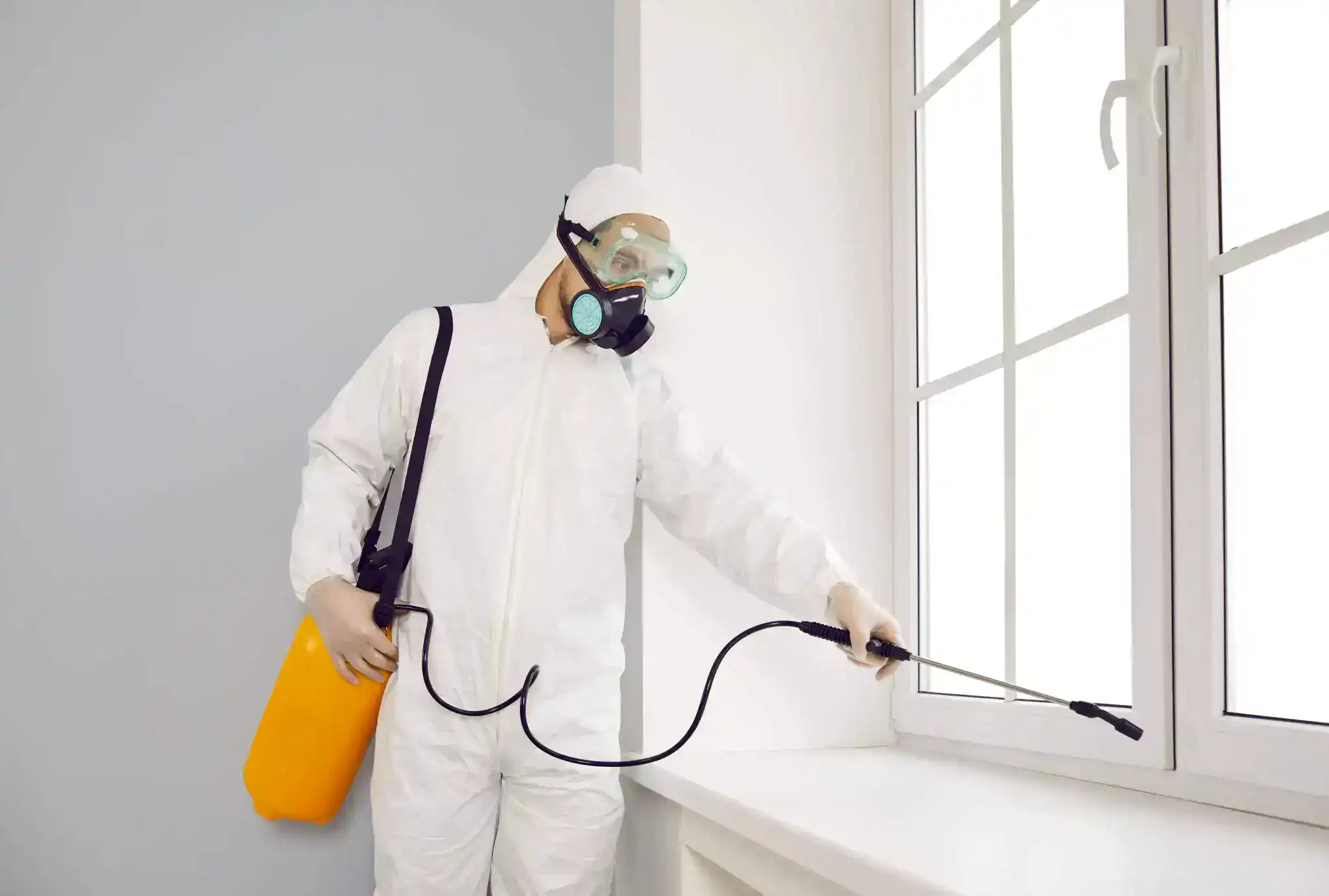
Let’s talk about roaches because they’re the pest people ask about most—and the one they understand least.
German cockroaches are the most common indoor roach in Michigan. They’re small, tan, and they have two dark stripes behind their head. Unlike the bigger American roaches that wander in from outside, German roaches live their entire lives indoors. They don’t just visit. They move in.
Here’s what makes them hard to get rid of: they reproduce fast. One female can produce dozens of egg capsules, each holding up to 48 young. That means a few roaches can become hundreds before you notice. They also hide in places you can’t reach—behind appliances, inside wall voids, in the smallest cracks near plumbing. By the time you see one during the day, the population is already large. Roaches are nocturnal. Daytime sightings usually mean overcrowding.
Cold weather doesn’t slow them down if they’re inside. They need warmth to reproduce, so they stay near heat sources. Water heaters, refrigerator motors, dishwashers—anywhere that stays warm. Winter actually makes the problem worse because outdoor roaches also try to get inside when temperatures drop.
DIY treatments often backfire. Foggers and sprays scatter roaches deeper into walls and voids where you can’t reach them. Then they come back. Effective roach control requires targeting their hiding spots with baits, growth regulators that stop reproduction, and treatments in cracks and crevices where they actually live. It also takes time. You’re not going to eliminate an established roach problem in three days, no matter what you spray.
That’s the first secret: understanding that roaches aren’t just a summer problem in Michigan. They’re a year-round issue that requires a year-round approach.
Most people call for pest control when they see the problem. That makes sense. You see ants, you call someone. You hear mice, you want them gone.
But here’s what that approach misses: by the time you see the problem, it’s already established. Ants don’t send out one scout. They send hundreds. The one you see in your kitchen means there’s a trail outside and probably a colony nearby. Mice reproduce quickly—a single female can have five to ten litters per year. Waiting until you hear scratching means you might already have multiple generations living in your walls.
The other mistake is thinking one treatment solves everything. Pest control isn’t pest elimination. It’s management. Even the best treatment won’t prevent new pests from trying to get in next month when the weather changes. That’s just biology. Spring brings different pests than fall. Summer mosquitoes don’t care what you did in March.
This is where consistency matters more than most people realize. When you have the same technician servicing your property year after year, they know your house. They remember where mice got in last November. They know which side gets more sun and attracts stink bugs in October. They’re not starting from scratch every visit.
A lot of companies send whoever’s available. Different technician every time. That person doesn’t know your property’s history. They don’t know what worked or what didn’t. They’re just following a standard protocol. That’s fine for some things, but it’s not the same as someone who actually knows your specific situation.
We believe seasonal pest control works best when it’s proactive, consistent, and personalized. You can’t personalize service if the person showing up is different every time. That’s the second secret: the relationship with your technician matters as much as the treatment itself.
Want live answers?
Connect with a First Choice Pest Control expert for fast, friendly support.
Let’s get specific. Here’s what works in Genesee County, MI and Shiawassee County, MI based on what we’ve seen over 20 years.
First, seal entry points before fall. September and October are when rodents, stink bugs, and boxelder bugs start looking for winter shelter. Check where utilities enter your house—plumbing, electrical, gas lines. Mice can fit through holes the size of a dime. Seal those gaps with steel wool and caulk. Check door sweeps and window screens. Small gaps are invitations.
Second, manage moisture year-round. Roaches and many other pests need water. Fix leaky pipes under sinks. Make sure bathroom fans vent outside. Check basements for dampness. Standing water in gutters breeds mosquitoes in summer and attracts pests looking for water in winter.
Third, don’t wait until you see the problem. Spring treatments prevent carpenter ants and termites before they cause damage. Fall treatments stop rodents before they move in. Waiting until you have an infestation means you’re playing catch-up.

There’s a reason more people ask about eco-friendly pest control. They have kids. They have pets. They don’t want harsh chemicals sprayed everywhere, and honestly, they shouldn’t have to choose between safety and effectiveness.
Integrated Pest Management—IPM—addresses that. It’s not about avoiding pesticides completely. It’s about using them strategically as part of a larger plan. You start with exclusion: sealing entry points so pests can’t get in. You remove attractants: food sources, water, shelter. You use mechanical controls like traps. Then, when needed, you use targeted treatments in specific areas rather than blanketing everything.
For roaches, that means baiting inside cabinets and applying growth regulators that stop reproduction rather than just spraying baseboards. For rodents, it means trapping and exclusion work to prevent re-entry. For bed bugs, it can mean canine detection to find exactly where they’re hiding before you treat.
IPM works better over time because it addresses why pests are there, not just killing the ones you see. It’s also safer. You’re not exposing your family to unnecessary chemicals. You’re using what’s needed, where it’s needed, when it’s needed.
Michigan’s climate makes IPM particularly valuable. The constant seasonal changes mean pest pressures shift. An IPM approach adapts to those changes instead of following the same rigid schedule regardless of what’s happening. Spring prevention looks different than fall prevention. Summer mosquito control requires different tactics than winter rodent management.
That adaptability—combined with reduced chemical use—is why IPM has become the standard for companies that actually care about long-term results instead of quick fixes.
Bed bugs are different than other pests. They’re small, they hide incredibly well, and by the time most people realize they have them, the infestation is already established.
That’s where trained detection dogs change everything. A dog’s nose can detect a single bed bug or viable egg with 95 to 98 percent accuracy. Compare that to human-only inspections, which average 30 to 40 percent accuracy. Humans can only see what’s visible. Dogs smell what’s hidden behind baseboards, inside electrical outlets, in wall voids.
Early detection saves thousands. Treating one room costs far less than treating an entire house. But you can’t treat just one room if you don’t know the bugs are only in one room. Most people guess. They treat where they got bitten. But bed bugs travel. They hide in places you’d never think to check.
Fewer than 100 companies in the United States offer canine bed bug detection. It requires specialized training—both for the dog and the handler. The dogs train daily on live bed bug scent. They’re certified by third-party organizations to ensure accuracy. It’s not a gimmick. It’s a proven method that finds problems before they become expensive.
Bed bug infestations are rising again after the pandemic. Travel is back up. People are staying in hotels, visiting family, bringing luggage home. Bed bugs hitchhike. They don’t care how clean your house is. One trip, one piece of furniture, one overnight guest—that’s all it takes.
If you suspect bed bugs, or if you want peace of mind after traveling, K-9 detection finds them fast. You get a clear answer instead of guessing. You know exactly where to treat. And you catch the problem before it spreads.
That’s the kind of specialized service that separates companies focused on actually solving problems from companies just going through the motions.
Here’s what it comes down to: effective general pest control in Michigan requires understanding the seasonal patterns, having someone who knows your property, and using methods that actually address the root cause instead of just killing whatever you see today.
You can’t control Michigan’s weather. You can’t stop pests from existing. But you can make your home less attractive to them and catch problems early before they become expensive. That takes consistency, expertise, and a willingness to adapt as conditions change.
Roaches, rodents, bed bugs, stinging insects—they all require different approaches. What works for one doesn’t work for another. Companies that understand that difference, that personalize their programs instead of using the same treatment everywhere, those are the ones that get results.
If you’re dealing with pests in Genesee County, MI or Shiawassee County, MI, you deserve someone who knows the area, understands Michigan’s pest cycles, and treats your property like it matters. We’ve been doing exactly that for 20 years at First Choice Pest Control.
Article details:
Share:
Continue learning: