In-Depth Guides for Smarter Pest Control Decisions
Michigan attics attract rodents and bats seeking shelter from harsh winters. Discover the warning signs, health risks, and professional solutions that protect your home permanently.
Share:
Summary:
That scratching sound above your bedroom ceiling at 2 a.m.? It’s not the house settling. The droppings you found in the attic last week? Not from squirrels passing through. If you’re dealing with rodents or bats in your Genesee County or Shiawassee County home, you already know the anxiety that comes with it—the health concerns, the potential damage, the failed DIY attempts that didn’t stick.
Michigan’s climate creates perfect conditions for attic invasions. When temperatures drop, rodents don’t just want your warmth—they need it to survive. Bats seek quiet, undisturbed spaces for roosting. Your attic checks every box. This guide breaks down what you’re actually dealing with, why it’s happening on your property specifically, and what actually works to solve it permanently.
Your attic offers everything rodents and bats need: shelter from predators, insulation for warmth, and minimal human traffic. Unlike homeowners in warmer climates who deal with pests seeking food and water, Michigan residents face survival-driven invasions. When winter approaches, rodents aren’t browsing—they’re desperate for shelter that keeps them alive through subzero temperatures.
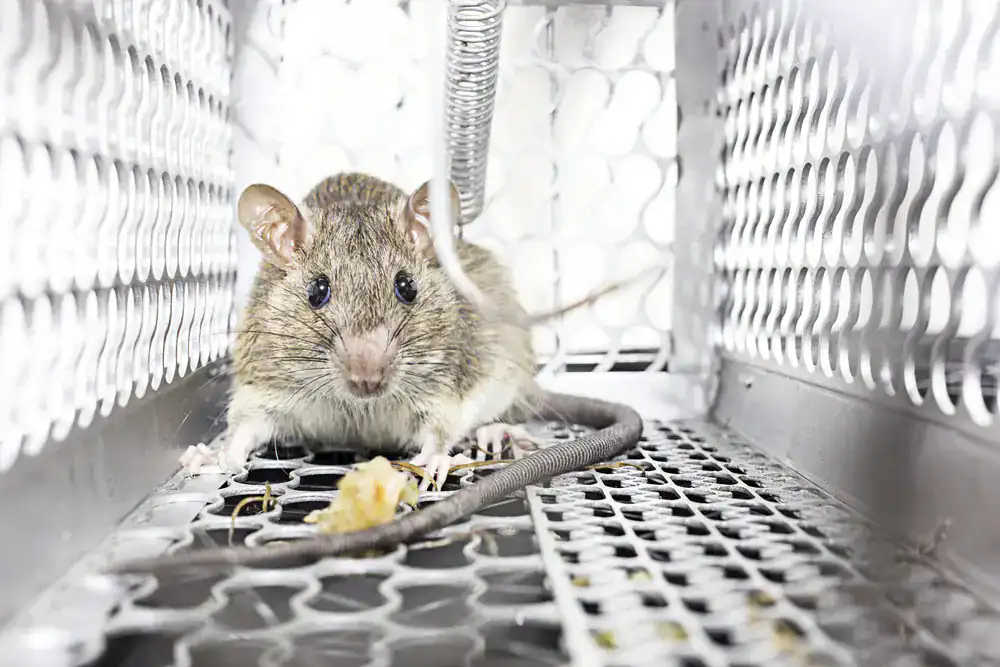
Mice and rats become particularly active in early to mid-fall, squeezing through openings as small as a dime. They’re not picky about entry points. Foundation cracks, utility line penetrations, gaps around window frames, uncapped vents—any opening works. Once inside, they tunnel through insulation to build nests, often near warmth sources like chimneys or HVAC ducts. A single pair of mice can produce dozens of offspring within months, turning a minor intrusion into a full-scale infestation before you realize what’s happening.
Bats follow different patterns but target the same space. Michigan’s little brown bats seek attics for maternity colonies in spring and summer, then return to the same roosts year after year. They can slip through gaps as narrow as 3/8 inch, entering through roof vents, soffit gaps, or spaces where different building materials meet. Once established, a bat colony grows quickly, and the guano accumulation becomes a serious health hazard. Understanding these behavior patterns helps you identify vulnerable areas on your property before pests move in.
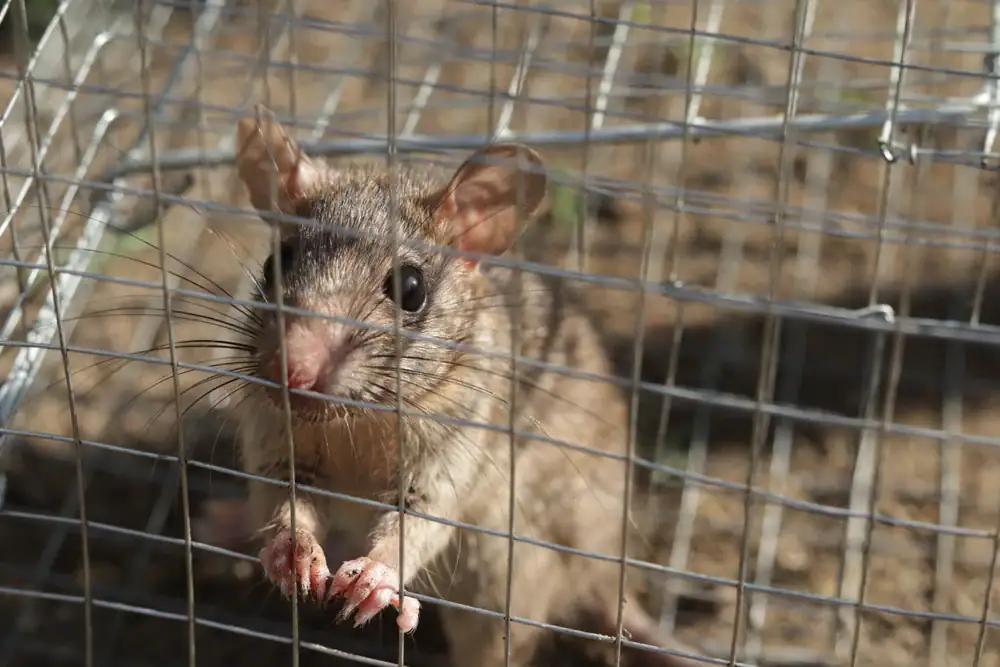
The financial impact of rodent infestations extends far beyond the initial nuisance. Rodents are responsible for 25 to 30 percent of house fires with “undetermined” causes—they chew through electrical wiring constantly because their teeth never stop growing. One severed wire in your attic can spark a fire that destroys your home. This isn’t a theoretical risk. Fire departments across Michigan respond to these calls regularly, and insurance companies know the connection between rodent activity and electrical fires.
Then there’s your insulation. Rodents tunnel through it, compress it for nesting material, and saturate it with urine. This “Swiss cheese” effect can reduce your insulation’s effectiveness by up to 30 percent, which translates directly to higher heating bills all winter. You’re essentially paying to heat your attic while rodents enjoy the warmth you’re funding. The energy loss compounds month after month, and replacing contaminated insulation runs into thousands of dollars depending on your attic’s size.
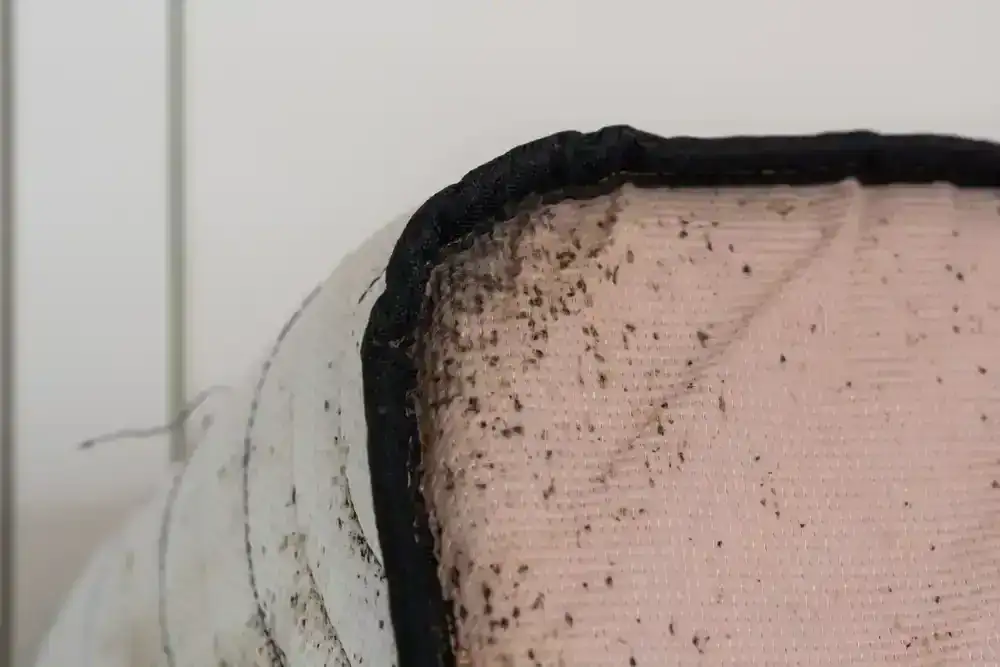
The contamination issue multiplies quickly. A single mouse produces 50 to 75 droppings per day. In three months, six mice can become 60 mice. That’s thousands of droppings accumulating in your insulation, releasing particles into your home’s air system every time your furnace kicks on. These droppings carry hantavirus, salmonella, and leptospirosis—diseases that can cause serious illness, particularly in children and elderly family members.
Structural damage adds up too. Rodents chew through wood beams, drywall, and even plastic plumbing pipes. Water damage from chewed pipes can lead to mold growth, which introduces an entirely separate health hazard and remediation cost. The longer an infestation continues, the more expensive the repairs become. What starts as a $300 exclusion job can balloon into thousands in structural repairs, insulation replacement, and electrical work if you wait too long to address it.
Bat guano poses different but equally serious health risks. Unlike rodent droppings, bat guano accumulates in concentrated piles directly beneath roosting spots. As it dries, it releases fungal spores that cause histoplasmosis—a respiratory disease that mimics flu symptoms but can become severe, especially for people with compromised immune systems. The fungus Histoplasma capsulatum thrives in the dark, humid environment that bat-infested attics provide.
The spores become airborne when guano is disturbed, which happens naturally as bats move around or when homeowners investigate attic noises. These microscopic particles travel through your HVAC system, contaminating the air throughout your home. You don’t need direct contact with guano to become exposed. Simply breathing in your living room while your furnace circulates contaminated air can introduce the spores to your lungs. This is why we wear respirators during attic inspections—we understand the exposure risk that most homeowners underestimate.
Bat urine compounds the problem. It soaks into insulation and wood, creating a strong ammonia smell that intensifies as temperatures rise. This isn’t just unpleasant—it indicates active contamination spreading through porous materials. The urine weakens ceiling joists over time, and in severe cases, accumulated guano weight can actually cause ceiling collapse. Homeowners have discovered this the hard way when brown stains appear on ceilings or when they step into their attic and feel soft, compromised flooring.
Bats also carry rabies, though transmission is rare. The real danger comes from accidental contact. If a bat finds its way from your attic into your living space and someone tries to remove it without proper equipment, bites can occur. Rabies exposure requires immediate medical treatment, and bat bites are so small they’re often not noticed until symptoms appear—at which point treatment becomes critical.
The cleanup process requires professional-grade respirators and containment procedures. Attempting DIY guano removal without proper protection puts you at direct risk of inhaling concentrated spores. Our bat control services include thorough decontamination using industrial-grade disinfectants, safe removal of contaminated insulation, and sanitization that eliminates harmful bacteria and odors. This level of cleanup isn’t possible with hardware store supplies and a dust mask.
Want live answers?
Connect with a First Choice Pest Control expert for fast, friendly support.
Effective rodent control starts with understanding a fundamental truth: you can’t trap your way out of an infestation if entry points remain open. Snap traps and bait stations kill individual rodents, but they don’t address why rodents keep entering your home. Exclusion—sealing every possible entry point—is the only permanent solution that stops the cycle of re-infestation.
Start with a thorough exterior inspection during daylight hours. Walk your home’s perimeter looking for gaps around utility lines, cracks in foundation walls, and spaces where different building materials meet. Pay special attention to areas where pipes or wires enter the structure. Mice can fit through openings as small as a pencil width, so gaps that look insignificant to you are highways to rodents. Mark each potential entry point as you find it so you don’t miss any during the sealing process.
Sealing materials matter enormously. Rodents chew through wood, plastic, and spray foam with ease. Steel wool works for small holes under two inches—pack it tightly, then seal with caulk to hold it in place. For larger openings, use 1/4-inch hardware cloth (wire mesh), which rodents cannot chew through. Sheet metal or flashing provides long-term protection for vulnerable areas like roof edges and soffit intersections. The investment in proper materials pays off by preventing repeated entry attempts.

Most homeowners seal obvious gaps and assume they’re protected. But rodents are persistent, and they’ll exploit entry points you didn’t know existed. Roof vents are prime targets—the screening on many gable vents has gaps large enough for mice to squeeze through, especially if the vent has settled or warped over time. These vents sit high enough that you don’t notice damage during casual property walks, but rodents climbing nearby trees or utility lines find them easily.
Check where your foundation meets the ground. Even small settling cracks provide entry, particularly around corners where two foundation walls meet. These cracks often go unnoticed because they’re partially hidden by landscaping or downspouts. Rodents follow foundation lines when searching for entry points, so these cracks become major access routes. A crack you can barely fit a credit card into is plenty large enough for a mouse to exploit.
Utility penetrations are another weak spot. Where electrical lines, cable TV, internet, or gas lines enter your home, there’s often a gap between the pipe and the surrounding material. Contractors typically use spray foam to seal these openings, but foam degrades over time and rodents can chew through it easily. These penetrations need hardware cloth barriers, not just foam. The cloth prevents entry while still allowing the utility lines to function normally.
Don’t overlook your eaves and soffits. The junction where your roof meets exterior walls often has small construction gaps—especially on homes with complex roof lines or multiple pitch angles. These gaps are high enough that homeowners rarely inspect them, but they’re at perfect height for rodents climbing nearby trees or utility lines. A ladder inspection reveals issues you’d never spot from ground level.
Garage door seals wear out faster than most people realize. The rubber seal at the bottom of your garage door compresses and cracks over time, leaving gaps large enough for mice. Since garages often connect directly to living spaces, a mouse entering through your garage door can quickly access your entire home. Replace worn seals annually and check for gaps at the door’s sides where the seal meets the frame.
Store-bought rodent control products seem cost-effective until you calculate the real expense: your time, repeated purchases, and the damage accumulating while you experiment with solutions. DIY products contain the same active ingredients as professional treatments, but at significantly lower concentrations. A hardware store spray might have 0.05% bifenthrin while professional products contain 7.9%—that’s a 158-fold difference in strength. This isn’t about using more chemicals—it’s about using the right concentration to actually solve the problem.
The residual effectiveness differs too. DIY treatments degrade quickly when exposed to rain, sunlight, and temperature fluctuations. You might get two weeks of protection before needing to reapply. Professional treatments last months, providing consistent protection between service visits. This isn’t about chemical strength for its own sake—it’s about creating a barrier that actually prevents infestations rather than temporarily reducing visible activity.
Trapping presents its own challenges. Placement matters enormously. Rodents travel along walls and rarely cross open spaces, so traps placed in the middle of your attic floor catch nothing. You need to understand rodent behavior—where they travel, what they’re attracted to, how they navigate spaces—to place traps effectively. Most homeowners guess at placement and wonder why they’re not catching anything despite clear evidence of activity. We know to place traps along runways, near droppings, and in corners where rodents feel protected.
Bait stations add complexity. If you’re using poison baits, rodents often die inside wall voids or beneath insulation, creating odor problems that last weeks. The smell of decomposition attracts other pests like flies and beetles, creating secondary infestations. Plus, poisoned rodents can be consumed by pets or wildlife, causing unintended harm to animals that weren’t your target. This is why we focus on exclusion and trapping rather than relying primarily on poison.
The biggest DIY failure? Incomplete exclusion. Homeowners seal the obvious gaps they can see from ground level but miss the entry points that require ladder access or attic inspection. Rodents don’t need many options—just one unsealed gap means the problem continues. Professional exclusion involves systematic inspection of every potential entry point, including areas homeowners can’t easily access or don’t think to check. It’s the difference between addressing symptoms and solving the actual problem.
Rodent and bat problems in Michigan attics aren’t just nuisances—they’re threats to your home’s structure, your family’s health, and your peace of mind. The scratching sounds, the droppings, the contaminated insulation, the fire risks from chewed wiring—these issues compound quickly when left unaddressed. Michigan’s seasonal pest pressure means the problem won’t resolve itself. As temperatures drop each fall, more rodents seek shelter. Bats return to the same roosts year after year.
Effective protection requires more than traps and store-bought sprays. You need comprehensive exclusion that seals every entry point, professional-grade treatments that provide lasting protection, and ongoing monitoring that catches new activity before it becomes an infestation. The difference between temporary relief and permanent solutions comes down to addressing root causes rather than just treating symptoms. Your home deserves protection that actually works, delivered by professionals who understand Michigan’s unique pest challenges and have the experience to solve them right the first time.
If you’re dealing with attic pests in Genesee County or Shiawassee County, we bring 20 years of local experience solving exactly these problems. The same certified technician visits your property every time, building familiarity with your specific challenges and ensuring consistent results. No part-time college students, no rotating staff—just experienced professionals who know how to protect Michigan homes from rodent and bat invasions.
Article details:
Share:
Continue learning: